Jeremy Wilms has spent much of his professional life working as an auxiliary player—a sideman to a cast of musical innovators both revered and obscure. While discussing highlights from throughout his career he connects the dots from Atlanta’s early ‘90s free jazz outfit the Gold Sparkle Band to pop megastar Beyoncé; New York’s free jazz icon Ornette Coleman to Duluth, GA’s late ‘80s hardcore scene (he was in the acoustic punk outfit No Marching Orders alongside Act of Faith vocalist Robbie Fuller). Wilms even arranged the strings and brass heard in “A Few Words For the Firing Squad,” the closing number from Run the Jewels’ latest album, RTJ 4.
The more collaborators he mentions the more impressive the list becomes. From suppertime jazz to skronking and wailing, Wilms has achieved about as much as is possible in his role. With his latest album, The Fighter (Cart/Horse Records), Wilms reaches for a deeper plain of existential songwriting that comes from within.
“In the past, I never felt secure as a strong songwriter,” Wilms says. “It was easier to learn stuff on guitar, bass, piano, even drums, and work as a musician right away than it was to get out there and sing or front any kind of act. As I was writing a lot of these songs, I realized that I was reconciling leaving the working musician lifestyle behind.”
In 1995, Wilms graduated from Georgia State University with a Bachelor’s degree in music. Soon after, he moved to New York to earn his Masters at CUNY Queens College. In New York, he studied under renowned pianist, composer, and educator Kenny Werner.
“I studied off-and-on with him for about a year,” Wilms says. “At the time, I was playing pretty heady jazz stuff and was writing new music. Probably the most important lesson I got from him came when he said to me, ‘There are plenty of jazz guitarists. You don’t need to play jazz guitar. What’s your thing, man? What do you do?’ More than any technical thing that I learned from him, that was the crux of what I got out of studying with Kenny Werner, and I spent a lot of money getting that out of him!”
While in New York, Wilms found work playing alongside everyone from Martín Perna’s afrobeat ensemble Antibalas, and even played bass in the Broadway production of Fela!, based on the songs of Nigerian composer and political activist Fela Kuti. He also did a stint playing with jazz drummer Chico Hamilton, and the electronic funk band Chin Chin who released music on El-P’s Def Jux label.
When the pandemic hit in 2020, life in New York became untenable. A few of Wilms’ neighbors succumbed to early variants of COVID-19. Around that same time, the city placed massive body storage freezers within blocks of his home.
He moved back to Atlanta to escape the seemingly apocalyptic conditions. With the move came a desire to avoid returning to a life of balancing live gigs five nights a week between long stints on tour. In time, as he continued writing music, new songs bearing titles such as “All the Roads,” “Born To Die,” and “Stopping On A Dime,” began taking shape.
“All the Roads” kicks off The Fighter, laying out a blueprint for the album’s rich melodies and sparse acoustic folk stylings. The Fighter takes shape as a focused and refined effort when placed next to previous releases such as Layers: Compositions from 2010-2012 and 2013’s Dancer Pants.
“It’s happened to me only a few times in life, but I dreamed the last chorus of ‘All The Roads,’” Wilms says. “I woke up singing the last chorus, the words, and the melody in my head. Immediately I got up and figured it out on my piano.”
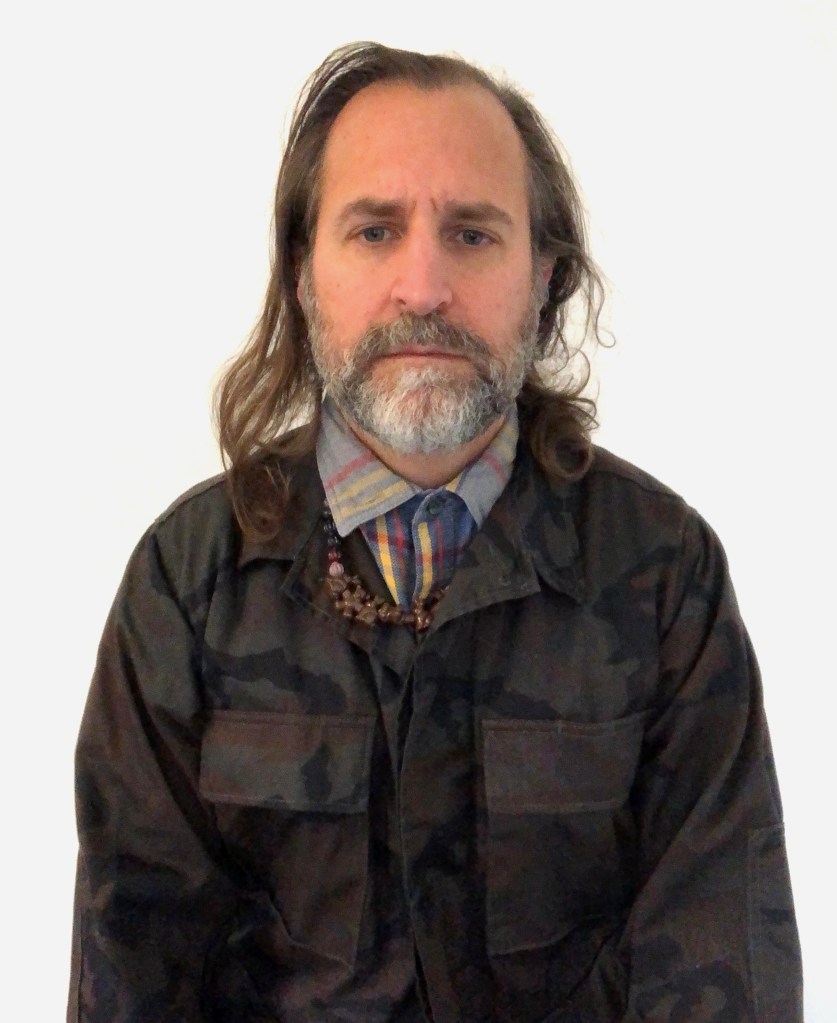
Jeremy Wilms
Wilms continued writing the song in his head while breaking up the monotony of his pandemic days by taking long walks alone, sometimes for hours.
“All The Roads” builds around a theme of spending a lifetime making decisions aimed at achieving one singular goal but still feeling lost. “But then you reach a point where you come back around and figure out that you’ve had what you’ve needed all along,” Wilms says.
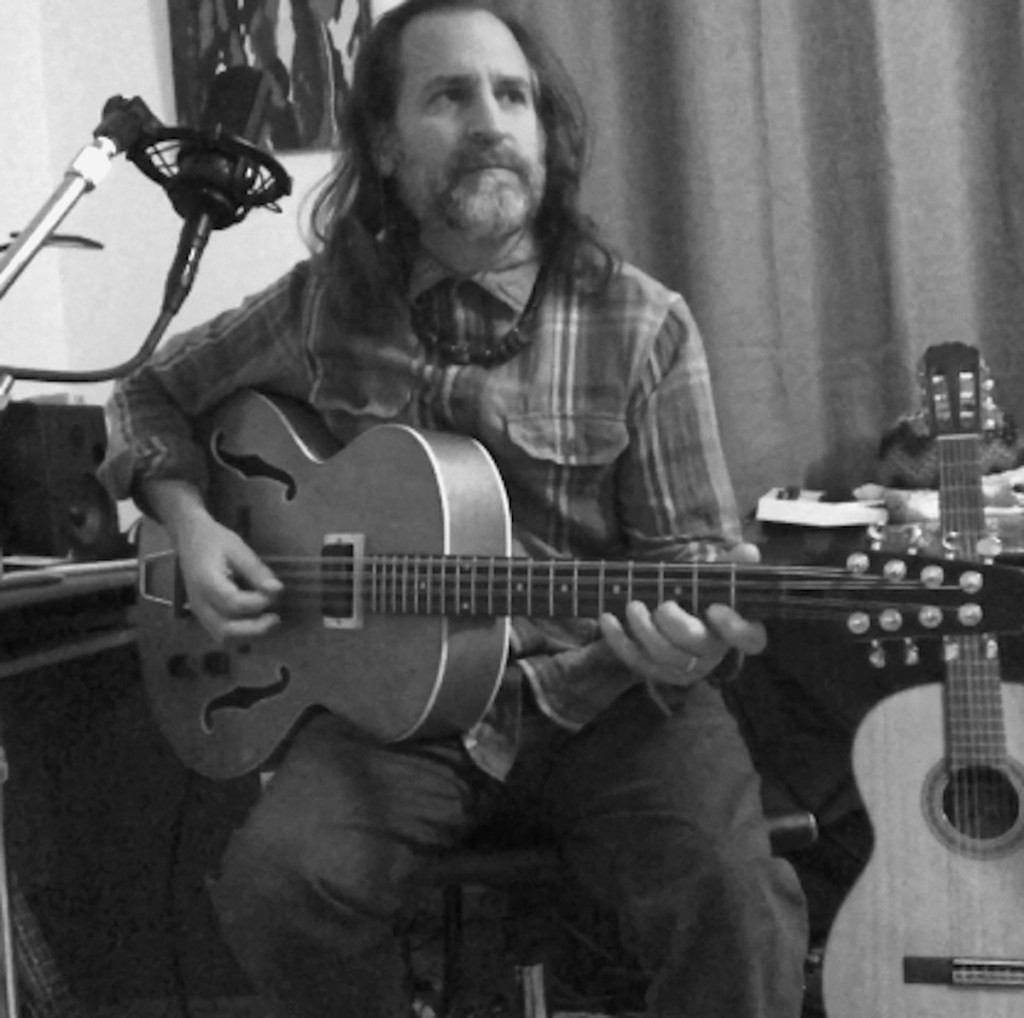
The third song on The Fighter, “Hey My,” is a sparse and droning organ, acoustic guitar, and mandolin piece that fleshes out the album’s psychedelic essence. It also illustrates the chemistry in the studio between Wilms and co-producer Kyle Spence working at RJS studio in Athens.
The song came about after both Wilms and Spence spent time discussing the songs’ arrangements and zeroing in on the sounds they wanted.
The bright, upfront songs are the perfect showcase for Wilms’ voice. Other musicians joined in as well. Drummer Bo Bedingfield, bass player Nick Robbins, and backing vocalist Julia Haltigan all contribute to the remarkable care and depth that went into crafting The Fighter’s majestic aura.
“Hey My” and another song titled “Props”—the latter featuring ethereal trombone sounds courtesy of Smoota—are tonal pillars for a conceptual arc that revealed itself as the album came together.
“I’m not trying to jump through hoops or check off someone else’s boxes,” Wilms says. “As long as I can pull it together and keep doing that, who knows? Maybe next year it’ll be a total noise record. It might not be a singer-songwriter thing. Whatever it is, as long as I can do it without having to be someone else for other people, I will keep at it.”
A version of this story originally appeared in the January 2024 issue of Record Plug Magazine.
If you have enjoyed reading this review, please consider making a donation to RadATL. Venmo to @Chad-Radford-6 or click on the Paypal link below.
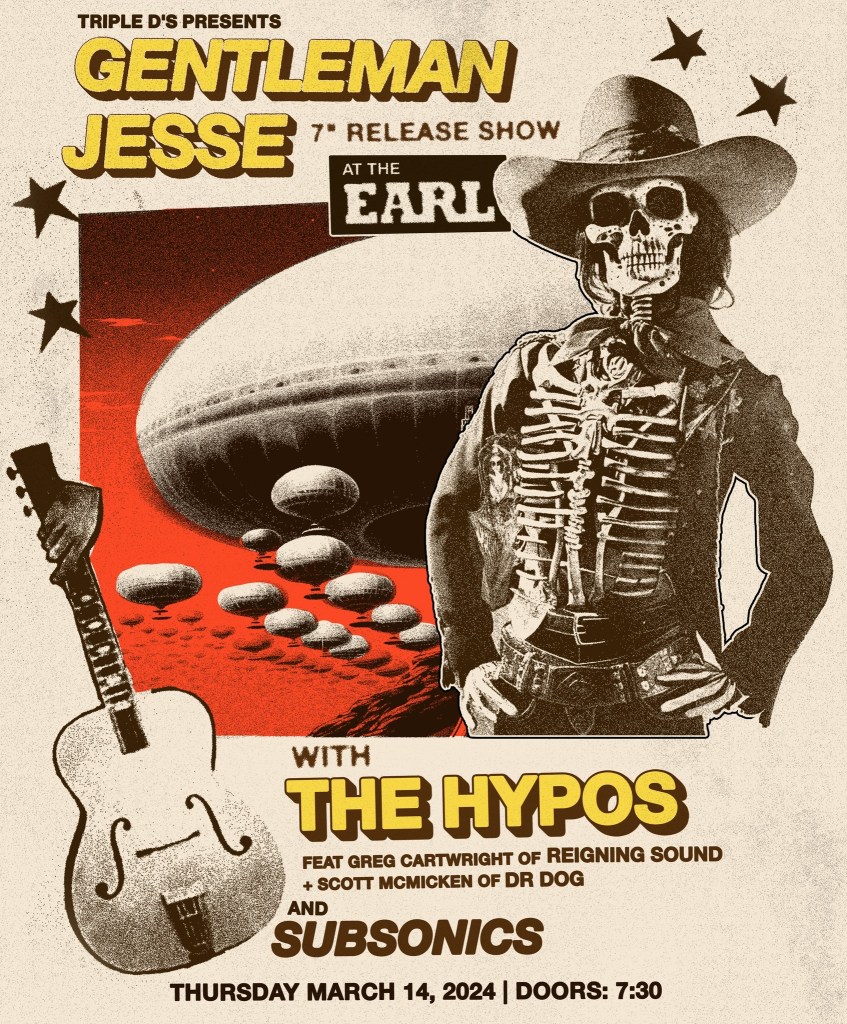
Gentleman Jesse Smith headlines the 7-inch release party for the “Where Time Stands Still” b/w “Return of the Mack” single due out in February 2024. This single is no. 12 in the ongoing Drunk Dial series, and features contributions from Greg King of GG King and Carbonas fame, as well as Ryan Bell of Bukkake Boys, Ryan Dinosaur, Scavenger of Death, et al.
For those who are unfamiliar, the Drunk Dial series invites artists to get drunk and write and record one original song and one cover of a classic tune in the same session. Both numbers will be released as a 7-inch. “Where Time Stands Still” is the Gentleman Jesse original. “Return of the Mack” is a cover of Mark Morrison’s song which appears on the 1996 album Return of the Mack.Pre-order the single here.
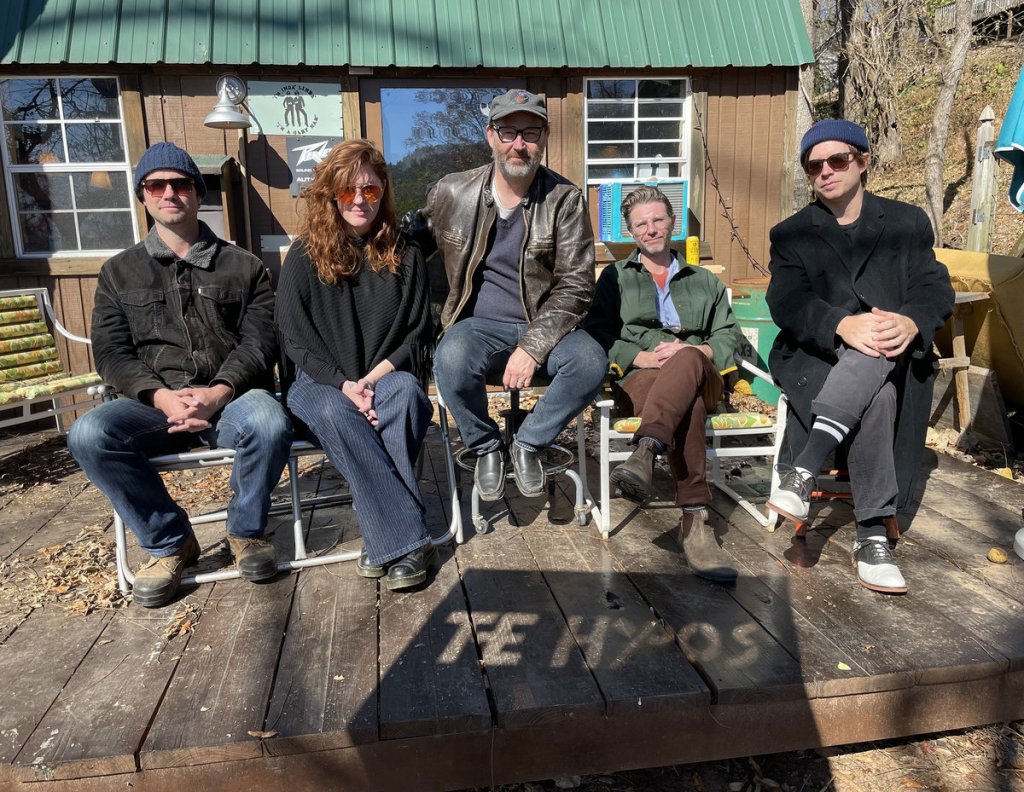
The Hypos
The Hypos, a new collaboration featuring veteran songwriters Greg Cartwright (Reigning Sound) and Scott McMicken (Dr. Dog), joined by some of Memphis and Asheville’s finest players (Evan Martin, Kevin Williams, and Krista Wroten) also perform. The almighty Subsonics open the show.
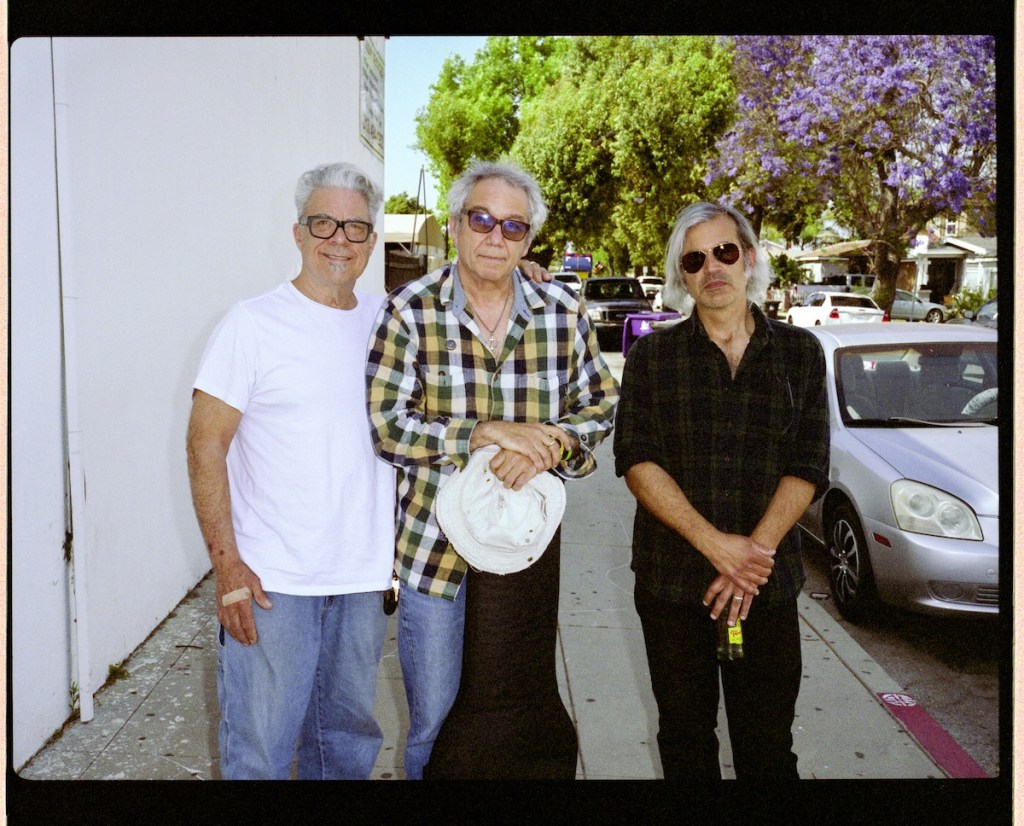
MSSV: Stephen Hodges (from left), Mike Watt, and Mike Baggetta. Photo by Devin O’Brien
It’s misleading to call MSSV an experimental rock trio, as these three elder statesmen of the underground know exactly what they’re doing. Still, bass player Mike Watt, guitarist Mike Baggetta, and drummer Stephen Hodges craft a fluid, mostly-instrumental body of work that flows beyond the confines of their impressive collective resumes. Hodges has performed with the likes Tom Waits, David Lynch, Wanda Jackson, and Mavis Staples for years. Baggetta has collaborated with everyone from Bob Stagner of Chattanooga’s Shaking Ray Levis on the Triage album to legendary session drummer Jim Keltner. And, of course, Watt raised the bar high for American punk and indie rock playing bass and singing with the Minutemen, fIREHOSE, and via scores of solo releases and offshoot ensembles. Together, MSSV hones in on a rhythm, a groove, or a subtle shift in sound to explore and expand upon with each new number. Their approach is part composition, part improvisation, and part file-under-some-other form of silent musical telepathy that is as sophisticated as it is undeniably catchy.
MSSV is on the road playing songs from their second studio album Human Reaction, due out Sept. 1 on Big Ego Records.
Atlanta’s noisey post-punk newcomers Blood Circuits (featuring former members of Free Masonry, Gaijin, Remuxers, Hal Al Shedad, and Car Vs. Driver) and the city’s quintessentially baroque chamber-punk balladeers W8ING4UFOS set the night in motion.
Nearly 27 years after the tragic death of Brainiac frontman Tim Taylor brought an end to the group’s meteoric rise, the beloved Dayton, OH post-punk freak out ensemble is returning to stages once again. The group’s Surviving members—guitarist and vocalist John Schmersal, drummer Tyler Trent, and bass player Juan Monasterio—are paying homage to Brainiac’s fallen leader with the addition of guitarist, keyboard player, and vocalist Tim Krug of Dayton-based indie rockers Oh Condor as well as the electronic projects Hexadiode and Halicon.
From 1992–1997, Brainiac twisted the boundaries of indie rock, industrial music clatter and collage, and noise rock to the tune of a mangled Moog synthesizer. The group’s sound was truly revolutionary, as evidenced by their three steller full-lengths 1993’s Smack Bunny Baby, 1994’s Bonsai Superstar, and 1996’s Hissing Prigs in Static Couture.
The group’s final offering, 1997’s Jim O’Rourke-produced Electro-Shock for President EP offered just a hint at the bold and engaging new sounds the group had in store. But Taylor’s death in a single car accident that same year marked the end for Brainiac.
Cincinnati’s drums and cello two-piece Lung opens the show with a set of blackened and apocalyptic post-grunge, post-goth dirges.
Cow Punk. It’s more than just a genre of redneck rock ‘n’ roll. It’s a lifestyle, and it’s the title of Dash Rip Rock’s latest album. Since the 1987 arrival of the New Orleans trio’s self-titled debut on 688 Records, singer and guitarist Bill Davis has crafted a blend of Athens, GA-style college rock, fueled by Austin, TX-style country, punk, and rockabilly. The group’s latest release features a spread of revved up new recordings of older numbers from throughout Dash Rip Rock’s catalog. Check out a couple of Status Quo and Gram Parsons covers as well. It’s the definitive cowpunk statement—or at least it’s Dash Rip Rock’s vision of all that cowpunk can be.
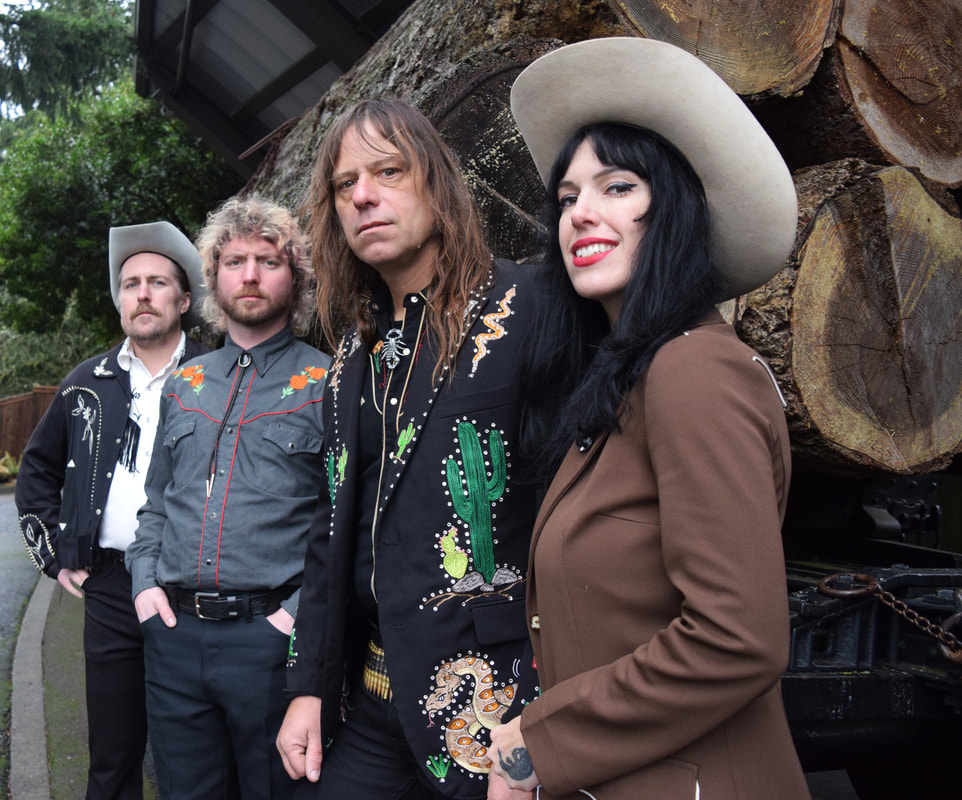
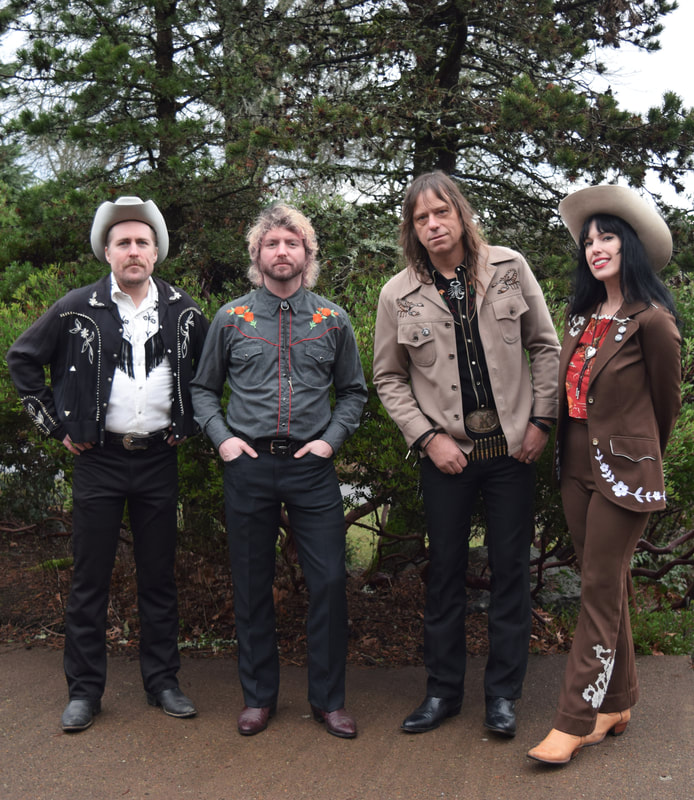
THE SPURS: Christopher March (from left), Buddy Weeks, Kelly Halliburton, and Jenny Connor.
Jenny Don’t and the Spurs are making their way across the country, playing songs from their brand new album, Lovesick Crawl, out now via Augusta, GA’s Missing Fink Records. Before hitting the road, the Portland, OR-based group’s founding members Jenny Connors and Kelly Halliburton took some time out of their day to talk about the Cramps, Dead Moon, Wipers, and the songs that make up Lovesick Crawl.
Catch Jenny Don’t and the Spurs when they play the Earl on Feb. 23, and Fink Fest in Savannah on Feb. 24.
Let’s talk about what you had in mind when you settled on the song and album title, Lovesick Crawl. It’s the word “crawl” that really grabs my attention.
Jenny Connors: We were listening to a lot of music by the Cramps. The cover art for the album is by Stephen Blickenstaff, who did the cover art for the Cramps’ Bad Music For Bad People, which is a really cool coincidence. We’d talked about doing something in the style of the Cramps, but nothing turned out sounding like the Cramps as it evolved. It’s essentially about being in love with someone—being infatuated—and you can imagine yourself crawling across the floor just to get their attention.
The song originally had an intro that was similar to the Cramps’ “Human Fly,” but we nixed that along the way. Then Johnny from Missing Fink Records approached us about releasing the record.
Kelly Halliburton: Stephen does a lot of the artwork for Missing Fink. Johnny contacted us less than six months before the record came out. We did the recording sessions in February 2022, and finished songwriting six months before that. The idea to channel the Cramps came to us before we knew that Johnny was working with Stephen so much. It added yet another layer to the strange coincidences surrounding this record.
How did the two of you meet and start making music together?
Jenny: I started stalking Kelly around 2008, until I finally whittled him down to date me. I was up front for a Pierced Arrows show and thought it was great. The drummer was super hot and I wanted to hang out with him, so I wrote to him on Myspace. That puts a date on it!
Kelly Halliburton and Jenny Connors
Kelly: Our relationship as a couple pre-dates the Spurs by about three-four years. It took a while because I was touring a lot with Pierced Arrows. The singer and guitar player Fred Cole started getting sick around 2012 or ‘13 so the band slowed down and eventually ground to a halt. Jenny and I had talked about doing something together. It wasn’t until Pierced Arrows wasn’t really a thing anymore that we had time to make it happen. Eventually all of our other bands broke up and this was the last one standing.
Jenny: Kelly and I have a pretty big age gap between us. I was just about to turn 22 when we met. He’s 16 years older than me and said, “I don’t want to date a 22 year-old.” But I said “Come on, I’m serious!” And here we are. We got married last year.
When we were talking about doing stuff together, Sam Henry and I started gigging around town playing a bunch of songs that I already had, which I used on the first album. Sam became the drummer for the Spurs.
Kelly: At first it was me and Jenny. I had an acoustic bass and she had an acoustic guitar. We wanted to keep it really stripped down, and not rely on anyone so that we could do this at any time, whether it’s on a street corner, in our backyard, wherever. It was purely acoustic and we sounded terrible. Something was missing. We didn’t have a ton of experience playing acoustically. All of our previous bands played amplified punk and garage rock. We wanted to keep it stripped down, but we asked Sam to play a snare with some brushes to keep time. Eventually there was a bass drum, then a high hat, and before we knew it, it was this loud, amplified thing with a full drum kit and electric instruments.
Jenny: Then we thought, “You know what’s really missing are guitar solos.”
Sam Henry was the original drummer for the classic Portland punk band Wipers.
Kelly: He played on the first three Wipers singles and the first album, Is This Real? They started in ‘77-‘78. He quit the Wipers in ‘80-‘81. I love everything [Wipers singer/guitarist] Greg Sage has done, but not everyone does. For most people, all you need are the first three LPs: Is This Real, Youth of America, and Over the Edge.
Sam quit the Wipers and joined Napalm Beach, which is kind of funny. Sam doesn’t play on the Wipers album Land of the Lost, but their singer and guitar player Chris Newman drew the dinosaur artwork, which is the weirdest cover, but they were all weirdos [laughs].
Jenny: When we were on tour, a lot of people would come up and say, “No way, Sam Henry from Napalm Death!” [laughs].
I was hanging around a record shop with a few older guys when the Wipers ‘96 album The Herd came out. They said, “Uh, this is gonna suck!” But I took the promo CD home, and even though it wasn’t cool to like The Herd, I loved it. The guitar playing is cosmic.
Kelly: Greg never deviated from his formula, so it’s not like anything on that record is all that different. He slowed it down, but it’s still dreamy, twangy, reverb-drenched guitar. He got more into the whole alien abduction thing. That album art has a fence around the world. That stuff follows Greg’s obsession with alien abduction. From what I understand, he firmly believes that he’s been abducted by aliens. If you look closely, that’s sort of a theme that runs throughout a lot of his stuff.
I’ll never hear “Alien Boy” the same way again.
[Laughs].
Sam died in February 2022, but he plays on Lovesick Crawl.
Jenny: Yes, Lovesick Crawl features the last recordings that he made. At the end of our January 2022 tour, he wasn’t feeling well. We were heading to Seattle to record. His doctor said, “You need some rest,” so Sam told us he couldn’t make it. A lot went into scheduling, though, so we planned to wing it and go anyway. He heard that we didn’t cancel so he changed his mind and came with us.
We finished the recordings and were supposed to have a show in Everett, but he was in really poor shape. We canceled the show and took him to the hospital, which was the beginning of the end for him, unfortunately.
Kelly: He was diagnosed with terminal cancer, I want to say the day after the recording session ended. They gave him three months to live but he didn’t make it three weeks.
Jenny: Obviously, no one saw what was coming. We were at the end of a tour. He was older and everyone feels like shit after a tour. The doctor said, “Maybe you drank too much on tour,” which he hadn’t. But he did great during those recording sessions. He didn’t complain. He felt uncomfortable, and every day it was getting a little worse. Something was seriously wrong. In the end, it makes these recordings extra special for us.
Is there a song on the record where his performance stands out?
Jenny: The session as a whole stands out for me. But “Lost Myself” stands out because I think about when we were writing the song. He would say, “How about we try this,” or “I’m going to hit the drum like this.” I have a lot of memories associated with that song.
Kelly: It’s hard not to think about how difficult it must’ve been for him to get through those sessions. There are a couple of songs from earlier sessions: His drums are great on “Right From the Start.” We recorded that song not too long after we wrote it. Later, we did the session where the album version came from. There’s the single version and the version on Lovesick Crawl. The later version was recorded after we’d played it for a while.
Jenny: “Black Cadillac” is a good example of his ability to go all out, or scale it back. He’s mainly playing snare and the rim and clicking the drum sticks together, and adds dynamics throughout that.
Not a lot of players can entertain without playing the whole kit. They get bored. There’s a video of Sam playing that, and there’s never a dull moment.
It’s kind of a beautiful thing that he did what he loved doing till the end.
Kelly: If we’d gone to Seattle without Sam we wouldn’t be able to listen to these songs. The fact that he rallied and did it is a testimony to his dedication. He was 64 and he had a ball every time we played. He was an amazing person to be in a band with. There will never be another Sam Henry.
Jenny: After he passed away, Kelly, our guitar player Christopher, and I asked, “What does this mean for us as a band?” Collectively, we acknowledged that Sam dedicated the last 10 years of his life to this band, and wouldn’t want us to end at this point. We were all on the same page, and having that camaraderie helped with the grieving process.
Kelly: Sam was such a gregarious personality, and such an outgoing, loving person. He was a good counterpoint to someone like me who’s kind of a crab and wants to be alone most of the time [laughs]. He made friends with people all over the world. Everywhere we went there were people who knew and loved Sam. So everywhere we take this stuff when we’re out on the road it’s cathartic for people who loved and cared about him. We see a lot of teary eyes out front. There are a lot of people who are connected with Sam through this music.
A lot of what we’re doing now is for Sam. Why stop now? What’s the point in creating something that he cared so much about and letting it fizzle out.
It has to be rough for your new drummer fitting in as you move forward.
Kelly: Sam’s shoes are impossible to fill. It would be unfair for us to have those expectations for anyone. Also, the band is more than a working relationship. We knew Sam before the band existed. It worked better than any other band that we’ve been in. For someone else to jump in, that has to be hard and we respect that.
Jenny Don’t and the Spurs
Jenny: For a new player, the songs have to fall into the structure they’ve been written in. But obviously if they bring other inspiration to it, it’s the band’s responsibility to respect everyone’s talents individually. Even though it’s called Jenny Don’t and the Spurs, we’re all equals.
Kelly: The band that came before Pierced Arrows was Dead Moon, which had an almost cult-like status. I stepped into an environment that was probably a lot like what anyone who’s playing with us is stepping into. The guy that I replaced with Fred and Toody was Andrew Loomis, who is universally loved. Everywhere we went for the first few years everyone was looking at me saying, “You’re not Andrew.”
Fred and Toody went out of their way to reassure me that I didn’t have to try to be like Andrew. I didn’t have to try to make my drumming style like his. Obviously I wasn’t going to do that anyway, but it felt good to be reassured. I want to extend that kind of welcoming courtesy to anyone who’s stepping into this band.
I joined Dead Moon in about 2007. They were on tour in the fall of 2006. They did a really long European tour and that was pretty much the end. They were all getting sick of each other. Initially Fred and Toody wanted to take a break, but Fred was always so restless. It didn’t take them long to form a new band. They called me out of the blue in March of 2007—maybe three months after Dead Moon played their last show.
I didn’t even play drums. I’m barely a bass player, but they wouldn’t take no for an answer. With so many expectations, it was terrifying at first. Not only am I not a good drummer, I’m also stepping into this kind of high profile situation where I’m in front of all of these Andrew Loomis-Dead Moon fans.
People were brutal about it. I was at a bar in Portland shortly after Pierced Arrows got going. There were fliers wheat-pasted on the bathroom wall. There was a Pierced Arrows flier with a photo of us and someone had drawn an arrow pointing at my head and wrote, “Worst drummer in Portland” [laughs].
Honestly, I couldn’t argue, but that was the level of hostility that I faced in that band. People warmed up after a while. It was also funny, because people invented a feud between Andrew and I—like Andrew was pissed because I took his spot. But Andrew and I would get together and laugh about it. He was as sick of Fred and Toody as they were of him.
Jenny: Another layer to all of these weird coincidences that lined up to where we are now: When I moved to Portland in 2008, I randomly moved into a house where Andrew hung out a lot. He introduced me to Sam, and then we started playing together. Small world! I didn’t know anything about Dead Moon and Wipers before I moved to the big city of Portland from Acme, Washington.
Kelly: In a bizarre, round-about sort of way, the existence of this band owes something to Andrew Loomis, which is awesome.
You have a new drummer now?
Jenny: His name is Buddy Weeks and we’re enjoying his presence in the band. Hopefully, if he still likes all of us after this tour, we’ll have a long relationship together.
Kelly: Playing together is one thing, but we love being on tour. Luckily he’s had a lot of touring experience. That’s almost as important as being able to play, because it ain’t easy. Putting four people in a tin can and carting them around the country for six months out of the year … There are only so many masochistic personalities that can endure that.
Jenny: You’ve gotta be able to play well and you have to be a good hang. You have to be funny. You have to be able to connect on some things outside of music a little bit, so you enjoy each other’s time together. There’s one hour of playing and 23 hours of being around each other.
Kelly: Christopher March has been playing guitar with us for almost six years. We’ve got him wearing a lot of hats. He’ll have the lap steel set up on stage, then he’ll play a baritone guitar for a couple of songs. We don’t have him literally juggling on stage yet, but we’ll incorporate that at some point, just to make his life that much more difficult [laughs].
There are moments throughout Lovesick Crawl that remind me of Hank Williams Senior’s recordings. It’s also rooted in punk rock mingling with country music—stripped down and rough-and-tumble. You roll with the mistakes.
Jenny: We enjoy it more when it’s stripped down and not super polished. We like music that’s a little rough around the edges.
Kelly: That’s certainly the music that I’m drawn to. I still own every piece of music that Discharge ever pressed to vinyl. A lot of people say that punk and country music are coming from these disparate places, but I’m not so sure their worlds are all that different.
Jenny: If the crowd is really entertaining and you mess up while you’re jumping around on stage … Entertaining is a lot more fun than worrying about perfection.
Kelly: Dead Moon was genius in their own way. No one in the band was a virtuoso musician. It was a lot more emotive than technically flawless. That resonated with people a lot more than these bands that really try to be total shredders. There’s a place for that, but there’s also a place for raw, emotive expression that comes from a different place than musical virtuosity.
That’s what attracted me to music in the first place. When I heard Black Flag for the first time I thought, this is it!
Kelly: Exactly, it doesn’t get more raw than “Nervous Breakdown.” It’s just a few minutes of raw aggression and teenage frustration. That set the template for a lot of things that are still important to me now, and I’m in my 50s!
Some of my earliest studio experiences, going back to when I was 19 years old, the drummer for Poison Idea, Steve Hanford, “The Slayer Hippy,” was a renowned producer. He did a bunch of studio work with some of my old punk bands. I learned a lot about recording while working with him. One of the things he would put into practice was if you can’t do it in a couple of takes, just ditch it and move on. Maybe come back to it in a couple of takes, maybe not. He always felt that the energy would dissipate if you ran it into the ground. I don’t know if it’s true that Poison Idea did that, but he always maintained that Poison Ideas stuff was done in one or two takes. That’s kind of our approach.
Jenny: The magic will go away if you do a solo 50 times. When I do a vocal I’ll do it three times. One warmup and two runs through it. It’s how I sound and it’s not gonna sound better if I keep doing it. On any recording you can listen and think about how you should have done something differently. When you’re in the studio you can do something over and over, but you learn to be ok with imperfections. This isn’t for us. It’s for the listeners, and they’ll make it their own.”
In the meantime, a video for the EP’s title track teases out the group’s feral garage-punk charge, as co-founders vocalist Valeria Sanchez and guitar player José Rivera are joined by bass player Paul Hernandez, and drummer Sam Adams.
Check out the scene for a backyard blowout at local punk, hardcore, and headbanger hangout, The Catacombs.
If you have enjoyed reading this post, please consider making a donation to RadATL.
Hammered Hulls play The Earl on Fri., Jan. 20. Alec MacKaye (Faith, Ignition, the Untouchables) fronts a lineup of veteran players that includes guitarist Mark Cisneros (the Make-Up, Kid Congo Powers and the Pink Monkey Birds), bass player Brendan Canty (of Fugazi, the Messthetics, et. al. standing in for Mary Timony), and drummer Chris Wilson (Ted Leo + Pharmacists, Titus Andronicus).
The group is touring behind the October arrival of its debut full-length, Careening (Dischord Records). The album was produced by Minor Threat, Fugazi, and Dischord Records’ co-founder (and Alec’s brother) Ian MacKaye, and was recorded at Don Zientara’s Inner Ear Studio. With Careening, Hammered Hulls carries Washington D.C.’s post-hardcore and post-punk legacies into powerful and direct new musical terrain with the winding rhythms of songs such as “Bog People” and “Rights and Reproduction,” and the slower tempos of “Not Gone” and “Mission Statement.”
Gentleman Jesse Smith also performs, backed by a lineup featuring bass player Chris McNeal, drummer Sean Zearfoss, and Milton Chapman on keys.
Fresh off of releasing his brilliant 2022 album Music For Four Guitars (Palilalia), punk-blues and no wave-inspired improv guitarist Bill Orcutt returns to play a solo set at Eyedrum Art & Music Gallery on Sunday, February 19.
With a new lineup in place and functioning like a well-oiled machine, OFF! is back on the road supporting the group’s first album in eight years, Free LSD (Fat Possum Records).
With Free LSD, Circle Jerks’ frontman Keith Morris, guitar player Dimitri Coats, bass player and Atlanta expat Autry Fulbright II (…And You Will Know Us By The Trail of the Dead), and drummer Justin Brown (Herbie Hancock, Thundercat) have crafted a vibrant and essential art-punk rumination on the end times.
Earlier this year, I spoke with Keith Morris while he was passing through town with the Circle Jerks. This is what he had to say about the new album:
“We listened to a lot of Throbbing Gristle, Hunting Lodge, Can, Einstürzende Neubauten, Herbie Hancock’s Head Hunters, Miles Davis. We spent time with a character named Enid Snarb who was in Bastard Noise and Man Is the Bastard. He turned us on to some of George Harrison’s work after he visited India.
Our engineer mixer guy worked with Kyuss and he mixed over half of Spiritualized’s Ladies and Gentlemen We’re Floating In Space. We went to a lot of different places, rather than the Bad Brains, Blue Öyster Cult, and Stiff Little Fingers.
Autry Fulbright is playing bass, and he co-manages Thundercat. Our drummer Justin Brown plays drums with Thundercat, so now we’ve got a jazz drummer playing rock, and you’ll hear it. There are times when he’s all over the place, and we really have to pay attention to what he’s doing to play what we’re playing.
If your mind is free enough, and you’re able to see all of the different colors that we’re using, you’ll get it. There’ll be a lot of people that don’t, but we have no control over that.”






 Rad/ATL