86: Max Koshewa (from left), Ken Schenck, and Mac McNeilly. Photo by Mary Alexander.
Chunklet Industries is dusting off a crucial piece of Atlanta’s post-punk and new wave past with an online reissue of 86’s first two singles. The trio—featuring Mac McNeilly (before his seismic drumming found a home in the Jesus Lizard), Ken Schenck’s jagged guitar lines, and Max Koshewa’s brooding bass—captured a restless energy that redefined the city’s underground music scene in the early ’80s.
“Useless” and “Behind My Back” were recorded at Southern Sound in Knoxville, Tenn. in July of 1983. “Youth Culture” and “Inside” were laid down a year later 1984. Both singles were originally released via Knoxville’s short-lived indie label OHP Records. Placed together here, both singles channel the urgency of the era while hinting at the band’s singular presence in Atlanta.
Audio restoration duties for this new issue fell to Jason NeSmith at Chase Park Transduction, where the songs were delicately digitized from the original vinyl 7-inches. NeSmith applied subtle de-clicking and EQ adjustments, preserving the grit and urgency of the recordings while amplifying their visceral punch.
86: Max Koshewa (from left), Ken Schenck, and Mac McNeilly. Photo by Mary Alexander.
While 86 is often remembered as the band that gave McNeilly his start, these singles cement the group’s place as a vital force in Atlanta’s music history. And this is only the beginning: Chunklet reportedly has a trove of unreleased recordings from the 86 archives queued up for release later this year.
If you have enjoyed reading this post, please consider donating to RadATL. Venmo to @Chad-Radford-6 or click on the PayPal link below.
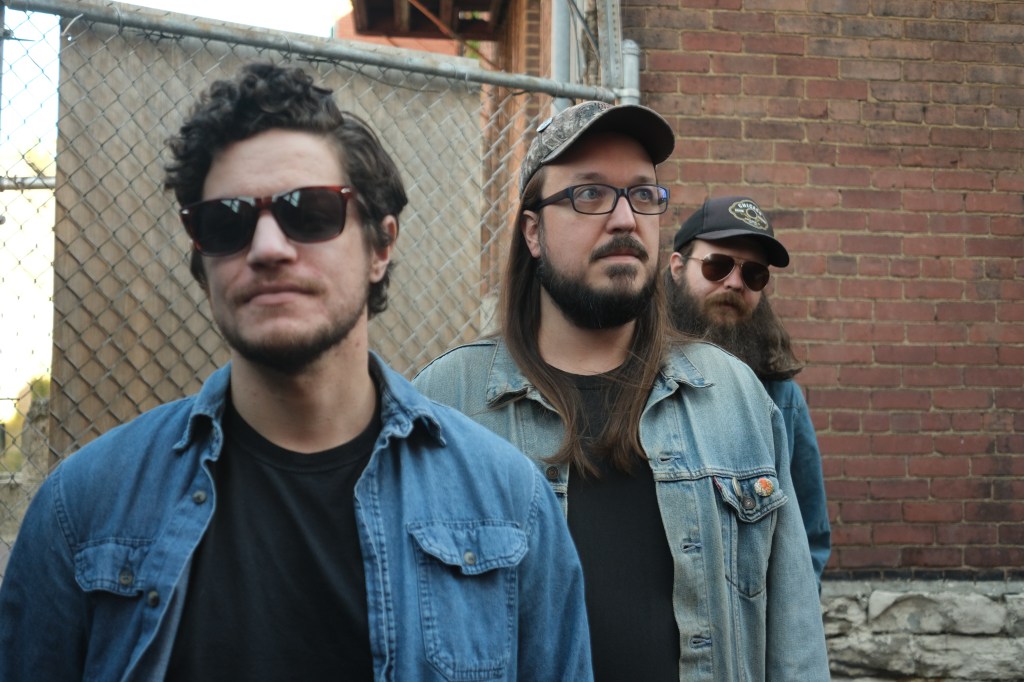
Tucker Riggleman & the Cheap Dates. Photo by Corbin Lanker
The current lineup of Tucker Riggleman & the Cheap Dates calls a sprawling stretch of Appalachian terrain home. Drummer M. Tivis Clark hails from Lexington, KY. Bass player Mason Fanning lives in Morgantown, WV, and singer and guitar player Tucker Riggleman resides in nearby Fairmont, WV. With their latest album, Restless Spirit (WarHen Records), the group weaves a haunting blend of country grit and punk energy with a Southern-gothic ambiance. The raw honesty that binds songs such as “Shotgun,” “Bucket and the Boot,” and the album’s title track strikes a balance between traditional and contemporary regional sounds, turning the solitude of mountain living into a call for connection and resilience.
Restless Spirit was produced by Grammy-nominated Duane Lundy, who has worked with everyone from Kevn Kinney of Drivin N Cryin and Sturgill Simpson to Michael McDonald, Bela Fleck, and dozens of other artists. Together, Lundy and the Cheap Dates capture an electrifying blend of alt-country and indie rock.
Atlanta-based Americana punks Reconciler, Birmingham’s the Williamson Brothers (feat. Blake and Adam Williamson of Lee Baines & the Glory Fires), and Former Sinners of the Future (a new band featuring mixed media artist Jeremy Ray) also perform.
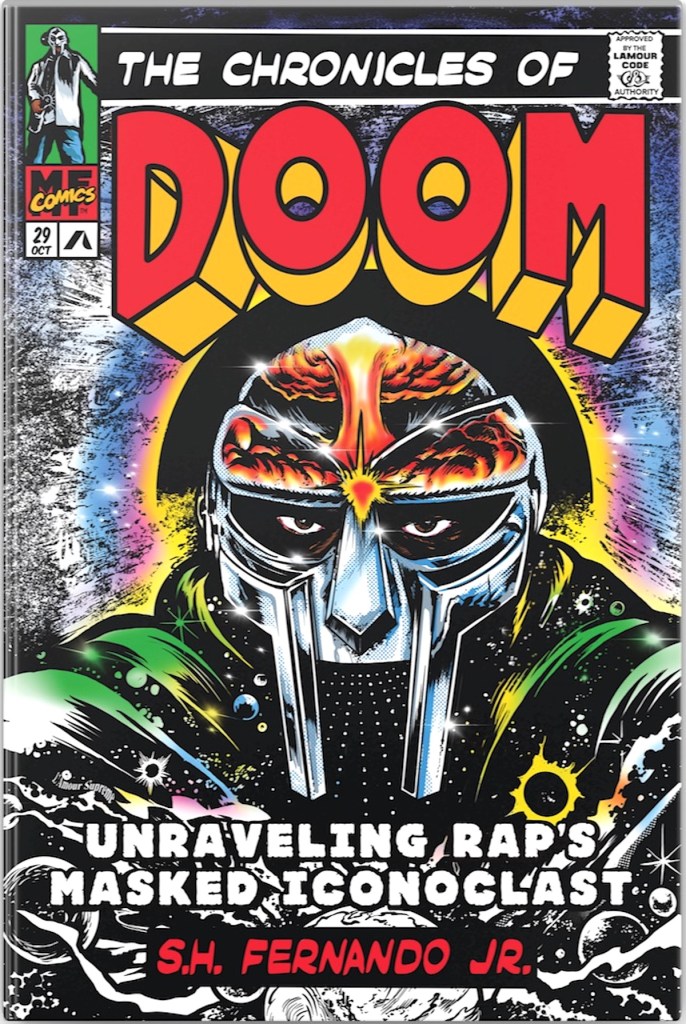
The definitive biography of MF Doom, charting the reclusive and revered hip-hop artist and super villain’s life, career, and ultimately immortality.
Criminal Records and A Cappella Books welcome revered music journalist and author Skiz Fernando Jr. for a conversation about his highly-anticipated new book, The Chronicles of Doom: Unraveling Rap’s Masked Iconoclast, on Sunday, November 3, at 2 p.m. The author will speak with RadATL’sChad Radford, music journalist and author of Atlanta Record Stores: An Oral History.
About the Book
On December 31, 2020, the world was shocked to learn about the death of hip-hop legend MF Doom. Born in London and raised in the suburban enclave of Long Beach, New York, Daniel Dumile Jr.’s love of cartoons and comic books would soon turn him into one of hip-hop’s most enigmatic, prolific, and influential figures.
Sweeping and definitive, The Chronicles of Doom: Unraveling Rap’s Masked Iconoclast recounts the rise, fall, redemption, and demise of MF Doom. Broken down into five sections: The Man, The Myth, The Mask, The Music, and The Legend, journalist S. H. Fernando, or Skiz, chronicles the life of Daniel Dumile Jr., beginning in the house he grew up in in Long Beach, NY, into the hip-hop group KMD, onto the stage of his first masked show, through the countless collabs, and across the many different cities Daniel called home, including Atlanta. Centering the music, Skiz lays out the history of east-coast rap against Doom’s life story and dissects the personas, projects, tracks, and lyrics that led to his immortality.
Including exclusive interviews with those who worked closely with Doom and providing an unknown, intimate, behind-the-scenes look into Doom’s life, The Chronicles of Doom is the definitive biography of MF Doom, a supervillain on stage and hero to those who paid attention.
About the Author
After graduating from Harvard and the Columbia University School of Journalism, Skiz Fernando began his career as a music journalist for The Source magazine. He parlayed his expertise in the field of hip-hop into the critically acclaimed book, The New Beats: Exploring the Music, Culture & Attitudes of Hip-Hop (Anchor/Doubleday, 1994), which has become an essential document of the culture behind rap music. His byline has also appeared in such publications as The New York Times, Rolling Stone, and Vibe.
In 2007, he returned to his homeland of Sri Lanka to write a cookbook, Rice & Curry: Sri Lankan Home Cooking (Hippocrene Books, 2011). It was a New York Times notable cookbook and won Fernando a spot on the popular Travel Channel show No Reservations with Anthony Bourdain, where he served as the host’s on-camera guide in Sri Lanka.
Since the pandemic, Fernando has returned to writing. His most recent book, From The Streets of Shaolin: The Wu-Tang Saga (2021), was the definitive biography of hip-hop’s greatest group. His biography of MF Doom, The Chronicles of Doom: Unraveling Rap’s Masked Iconoclast (Astra House), is available in the fall of 2024.
The talk will be followed by a Q&A and a book signing.
Free. 2 p.m. Copies of The Chronicles of Doom will be available for purchase at the store.
If you have enjoyed reading this post, please consider donating to RadATL. Venmo to @Chad-Radford-6 or click on the PayPal link below.
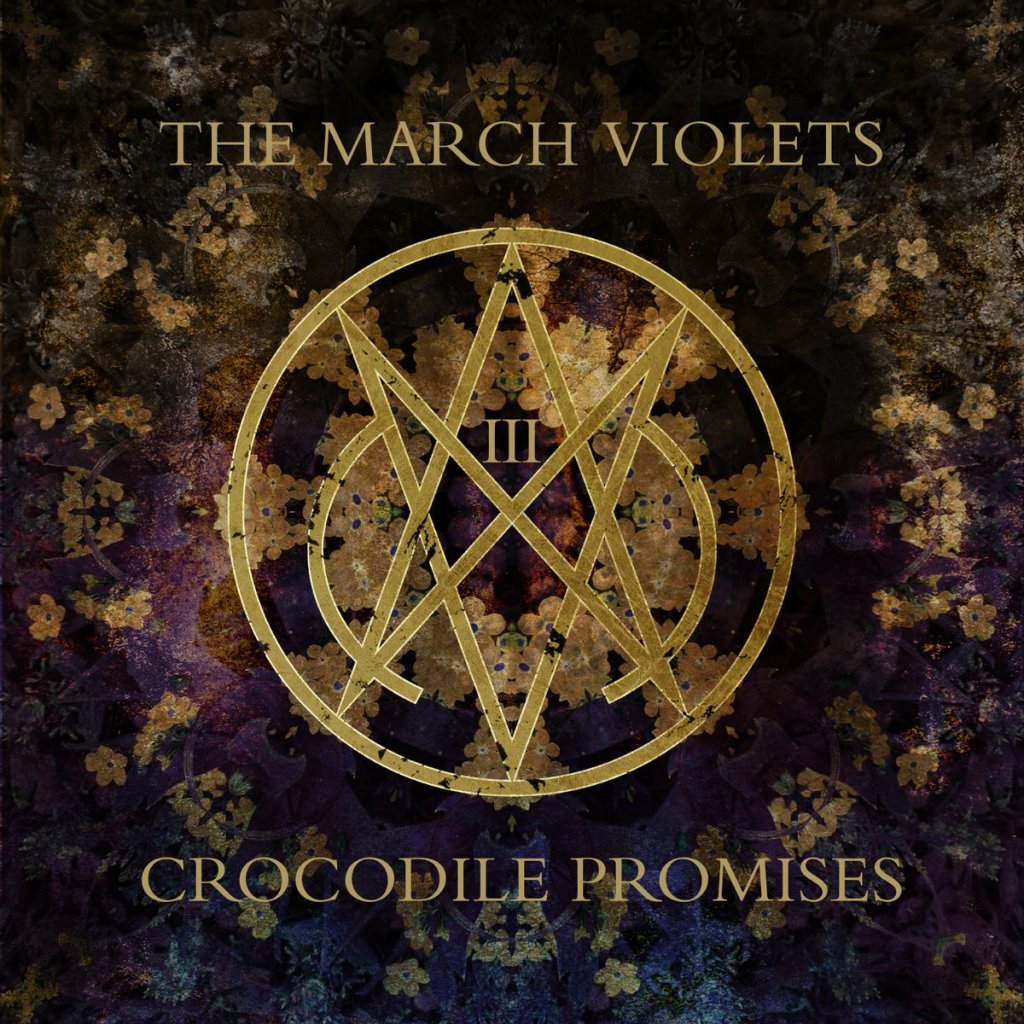
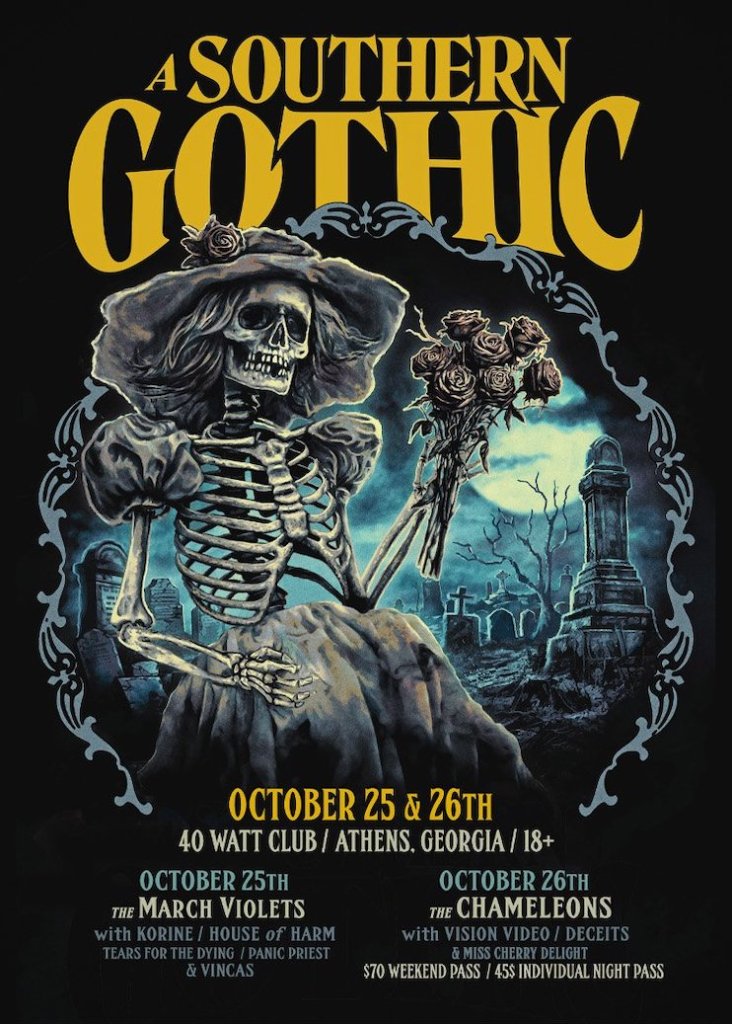
After more than a decade between releases, the March Violets return with Crocodile Promises, a sleek and muscular new album that is as much a return to the group’s classic gothic rock and post-punk form as it is a bold step forward. The secret to the Violets’ success has long been their penchant for crafting undeniably catchy songs that thrive in an atmosphere of rich imagery and ambiance. Press play on the ‘80s hits: “Walk Into the Sun,” “Snakedance,” “Grooving In Green,” “Crow Baby,” et al. The art of balancing complex harmonies and melodies with lyrics steeped in perfectly compelling abstraction is the March Violets’ strong suit. For Crocodile Promises, core members vocalist Rosie Garland and guitar player Tom Ashton were joined by former Violets bass player Mat Thorpe (also of the group Isolation Division). Together, they fleshed out nine new numbers at Ashton’s SubVon Studios in the rural countryside near Athens, Georgia, where Ashton produced the record.
Crocodile Promises opens with “Hammer the Last Nail,” a song that’s bound by billowing and shadowy textures that slowly open up to reveal the album’s vast and majestic palette. Thick and undulating guitar riffs and constrictive hooks match Garland’s bewitching traipse into modern terrain. “Bite the Hand” and “Virgin Sheep” kick up the energy with a full-bore punk charge.
The “Kraken Awakes” and “Mortality” are slow-burners invoking tales of revenge and deceit. “This Way Out,” builds into a roaring and hypnotic groove, with its thumping beats and Garland’s pointed delivery.
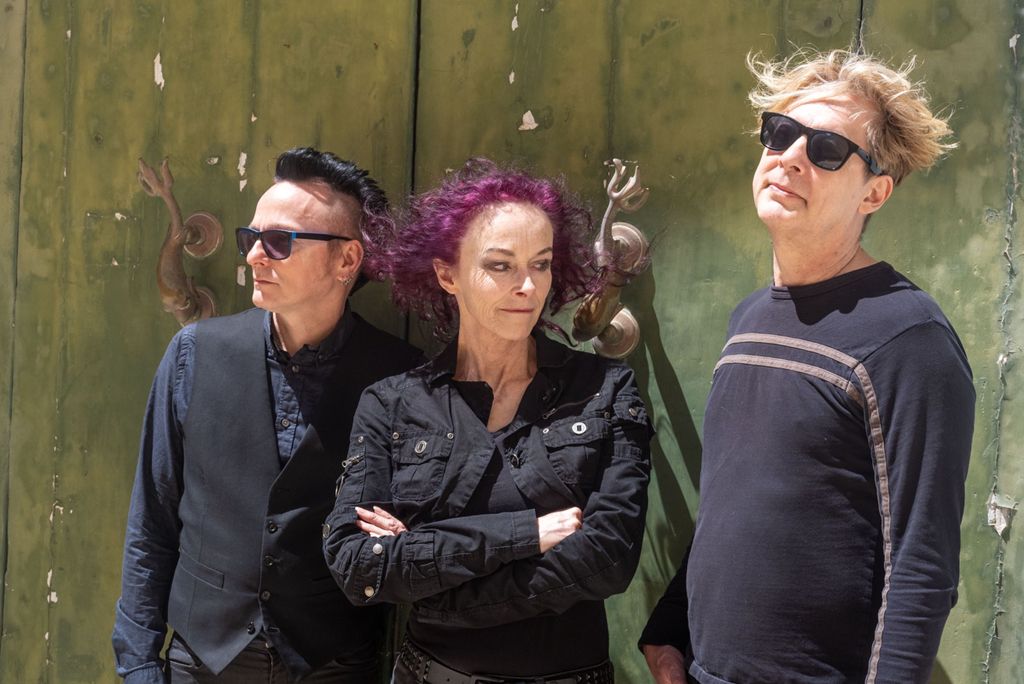
The March Violets: Mat Thorpe (from left), Rosie Garland, and Tom Ashton. Photo courtesy Jace Media.
There’s a real sense of urgency at work in Crocodile Promises. The production is as subtle as it is sweeping when it needs to up the intensity, pushing heaviness, real-world angst, and aggression into new dark realms, alternating between understated tension and unleashed power.
Friday, October 25 March Violets, Korine, Tears for Dying, House Of Ham, Vincas, Panic Priest, and Miss Cherry Delight. Find Friday night tickets here.
Gebidan is (from left) Geoff Knott, Daniel Whitman, Dennis Doherty, and Mike Patton. Photo by Amanda Corbett.
Entropy is the way of all things losing order as they move forward through time, evolving into something different every step of the way. It’s a concept that hangs heavily on Mike Patton’s mind while reliving his nearly 50 years of history playing music with Southern California’s hardcore and post-punk bands the Middle Class, Eddie & the Subtitles, Trotsky Icepick, Cathedral of Tears, and most recently singing and playing bass with Athens, GA’s Gebidan. The band’s name evokes the old English word for “endure” or “abide,” and there are layers of unspoken context to absorb inside the group’s debut album, titled Entropy, which kicks off with an opening number of the same name.
“That was our first song and it really describes the universal condition, I believe,” Patton says.
Since August 2023, Patton, along with guitar player and vocalist Geoff Knott, guitarist Dennis Doherty, drummer Daniel Whitman, and occasional keyboard player Drew Costa have amassed a body of songs that pull from Patton’s past while finding new meaning in the present. Press play on songs such as “Something Somewhere,” “Million Stars,” and “Achilles,” and hues of melancholy and psychedelia are corralled into bursts of alternative rock imbued with a spectral Southern allure—sometimes the writing is quite abstract, other times stories unfold as if they’re being told in real-time.
The latter number, “Achilles,” relives a night of fleeing from the famed 1979 Elks Lodge Hall riot. When a show featuring performances by X, the Alley Cats, the Plugz, the Go-Gos, the Zeros, and the Wipers was shut down by police, Patton’s former Middle Class bandmate Jeff Atta and his girlfriend Dorothy were in attendance and were severely beaten. The song chronicles a desperate attempt to get them to a hospital. The getaway car was being driven by famed LA punk producer and provocateur Geza X (the Germs, Dead Kennedys, Black Flag, Redd Kross), and the story goes sideways.
On the eve of releasing Entropy, Patton took a few minutes to talk about his past, his present, and Gebidan’s future in music.
Let’s begin by talking about how Gebidan got started.
Geoff Knott and I started playing together a few years ago. We’re both transplants to Georgia. Geoff is from Albuquerque. I didn’t know anybody here so I put my profile on some website where musicians connect. He was the only guy that reached out so we started playing together. The full incarnation of the group has been together since August 2023.
How did you wind up in Bogart, Georgia?
During the pandemic, my wife’s parents were living here. Her dad’s health is declining and she was feeling the need to come out here. I got laid off right toward the end of the pandemic. I said, “If you want to go now is the time.” We’ve been here since 2021.
I was at Bogg’s Social and Supply the first time MSSV played there. After the show, I was waiting in line to say hello to Mike Watt. You were in front of me. I remember you said, “I’m not sure if you remember me. My name’s Mike and I was in the Middle Class and …” Before you could finish your sentence Watt looked at me and sang the words to “Out of Vogue,” and said “Yeah, I remember you, Mike! I remember when the Minutemen played with you in San Diego!” It took a minute to process what I had witnessed.
[Laughs] I knew those guys back in the day, but I’ve been not going to shows for a long time. I hadn’t seen Mike in like 15 years. I wasn’t sure if he would recognize me, but we reconnected right away. I was friends with the Minutemen back in the day; everybody was. They were real cool working-class guys from Pedro. We were-working class guys from Orange County. We had stuff in common.
When I looked up your Discogs page I found your name on an impressive list of records: There’s the Minutemen’s “Joy” 7-inch.
I produced that.
Your name is also on the Adolescents Blue album.
Yeah, I produced that. I was managing them at the time. This guy Eddie Joseph that I played with in Eddie and the Subtitles would kind of let me do whatever I wanted to do. One day I said I wanted to produce one of our singles, called “American Society.” I kind of turned it on its head, and slowed it way down. I took over the vocals and turned it into an anthem. It came out good! Eddie was managing the Adolescents at the time, and Frontier Records had just signed them. Eddie was getting ready to take them into the studio and I said, “I want to produce the Adolescents.” Eddie said okay! Then a bunch of shit happened and he was out of the project. I took over managing the Adolescents for a while, and that’s when we went into the studio to record the Blue album. I was fortunate to get to produce such a great album.
That’s not hyperbole. It’s a game-changing record.
Yeah, they brought a melodic sensibility that hadn’t been there before. Rikk Agnew; I mean, those are powerful, good songs, and they were so different than what anybody else was doing.
Discogs says you do backing vocals on the Blue record.
I didn’t sing on the record. There’s one song where I was talking to them over the mic. It was “L.A. Girl” and I say “L.A. Girl, take 1,” or something like that. They wanted to keep it in there. That’s the only time my voice is on the record. I was still doing Middle Class at the time. The Subtitles had broken up. When the Eddie empire fell apart he had been managing and booking a lot of the local bands. When he bailed I took over the Eddie empire for a while. All of those bands, like the Adolescents, were just kids. They didn’t know what was going on, and they were lightning in a bottle. Everything was happening fast for them. I was just trying to help them out because they were kids! They were nice and smart and good.
I was kind of an elder statesman or something in Orange County. The Middle Class had released “Out of Vogue” and we were the first Orange County band to play L.A. and get accepted. We had a certain status in Orange County with all those bands. The Adolescents came up about a year after we started playing on the scene. I think that’s when Orange County really started happening.
The Middle Class is often hailed as the first hardcore band ever.
The guys who wrote the book—and then made the film—American Hardcore determined that. It’s always between us and the Bad Brains. They were in Washington D.C. We were in Orange County. We didn’t know each other existed. For what it’s worth, Middle Class gets the crown because “Out of Vogue” came out first. We were the first ones to release a record. We were inspired by the Damned and the Sex Pistols and had gone to see the Ramones. We were the classic punk ethos, people who didn’t know how to play their instruments.
We made up for our lack of musical ability with energy. We rehearsed five days a week for maybe six months before we got our first show. We didn’t realize it but we’d become this blazing fast band. We were trying to be the Ramones but we were way faster than the Ramones! When we first saw them at the Roxy in ‘76 we thought they were absolutely blistering. Then when we played our first show in L.A. at Larchmont Hall with the Germs and the Bags and the Controllers, the original punk scene was pretty much established. Everybody knew each other so a lot of the bills were getting kind of stale.
Hector Penalosa from the Zeros got us our first show. None of us drank. We were these normal-looking kids from Orange County. Then we got up and just roared on stage. Everybody immediately glommed onto us. We opened for everybody for the next three months. We played with the Screamers a bunch of times. We always played with the Germs. We were the opening band for everybody because we were different. So we got to be locked into the Hollywood scene really quickly from that first show.
The Middle Class
How was the Middle class received?
We were received really well when we first started playing. Everybody thought we were cute because we didn’t drink and we didn’t smoke and we wore thrift store suits—jackets and ties. We looked really straight and we were pretty young at the time. But then we were just roaring. The dichotomy between how we presented ourselves, who we were, and what we were playing really worked at that moment.
Hollywood accepted us immediately. The “Out Of Vogue” single was supposed to be on Danger House Records. All the good punk bands were on Danger House. Black Randy talked this guy Billy Star into putting up the money to record it. We went into Stevie Wonder’s studio and had like two and a half hours of studio time. We did two takes and that was all.
Then the fact that there was an in crowd and an out crowd revealed itself. Danger House didn’t want us. The guy who put up the money was stuck with the record so he released it on Joke Records because he was mad at Black Randy for telling him Danger House was gonna release it.
We were well established on the scene and were headlining or playing second bill on all of our shows. Then the dividing lines were apparent. Punk wasn’t supposed to be like that, everybody’s equal. It didn’t matter where you came from. There were no stars. That wasn’t true. So that single came out right at the time when it was becoming obvious that the philosophy we thought punk rock was, really wasn’t.
“Out Of Vogue” came out when the high schools opened up and all the kids started coming to the show. I’ll give you my two-bit interpretation of what happened:
Originally, the punk bands were into glam, glitter, Bowie, and all of that stuff. They were musicians before punk rock. They were already musicians with the ability to play their instruments and play songs. Then people like us hear that music and get a feel for what the punk ethos was: There’s no such thing as talent. Anybody can do it. So that’s what we did. By the time we got a show, we were really tight.
We weren’t proficient with our instruments, we just put it all into energy. That translated into speed. So by the time we got up and played all of our songs were like a minute-and-a-half. We didn’t think anything of it, we were just following our noses. But everybody reacted to it, and they liked it.
That was when they were still pogoing at the clubs. Slamming wasn’t going on yet. Pits weren’t happening yet. As the music became more available all of these high school kids and junior high school kids in Orange County, Long Beach, and all of the surrounding areas started finding out about punk rock, but they didn’t have a background. We had a background. I knew about surrealism and Dada and I knew about the Situationists—the cultural touchstones that punk rock was drawing from. But these kids that were listening to it didn’t have any of that background. They didn’t get any of the context. They just saw and heard what was being put out there and they reacted to it. They showed up to the scene and chased a lot of the original punks away because they didn’t get the fact that all the violence was just for show. It was an inside joke and everybody understood it. As soon as those kids came in their only understanding of punk rock was what was being presented to them by the style, the fashion, and the music. They came in expecting a completely different thing. So all of a sudden they came in and saw Black Flag and Circle Jerks and when that happened we were a pretty big band. Those kids wanted to hear “Out Of Vogue,” and that was fine. It’s good to draw a crowd, but we didn’t like the violence.
We were playing a show at a club called The Fleetwood which was just a pit in Long Beach. It was an empty warehouse—concrete walls and floors. We were playing “Out Of Vogue” when this guy came in to check out the punks. He was a regular stoner, long-haired guy. He’s watching us play and these kids from one of the high schools just beat the guy up for the duration of the song. When the song was over they had to call paramedics and haul the guy away. He was hurt. Jeff Atta, the singer, said we’re never playing that song again. And we turned away! That’s what the hardcore punks wanted to hear so they eventually stopped coming to our shows.
We started doing stuff more like the second single, “A Blueprint For Joy,” and then the Homeland album which is completely different from “Out Of Vogue.” The Circle Jerks and Black Flag were playing music to those people, and so they became really big. We went into the background, but we get credit for starting it, which is cool. So the people who know about the Middle Class are really into the Middle Class. They’re the people who know the minutiae of the scene. Most people haven’t heard of the Middle Class, but they have heard of the Adolescents, Black Flag, Henry Rollins, and Keith Morris. We were their contemporaries but we turned away from it because we did not dig the violence.
To me, all of that music was empowering and positive. Punk and hardcore gave me the confidence to be comfortable with myself and to ‘rise above’ the jocks and the people who wanted to fight.
The first time I heard punk was the first time I heard something that spoke directly to me. I was always like a stranger in a strange land, not fitting in, being an alien in my environment. Suddenly, I hear this music and it’s speaking directly to me.
The Middle Class found this community that accepted us, celebrated our music, and came to our shows. At first, there were no divisions. There was no person that’s too cool to talk to … None of that. I was no longer this isolated guy just existing in this world where I didn’t belong.
I want to ask you about a couple of different bands: When viewed through the lens of time and distance, and my taste, there are a few bands from Orange County that pique my interest. I’ll start with the Mechanics:
We might have played one or two shows together but we didn’t hang out much. They were a Fullerton band. They would be at parties, so I knew those guys. We weren’t tight but they were on the scene and I certainly knew about the band.
I think of them as one of the early—if not the first—punk bands from Fullerton.
They were proto-Fullerton. They were pretty early, and when the Fullerton scene was getting started I didn’t even know it existed. I didn’t know about Fullerton and Huntington Beach until Al from FlipsideMagazine asked me to write an article. Occasionally, I wrote articles for Flipside. He wanted me to write about the Orange County scene. I said, “What scene?” I didn’t know! He put me in contact with a couple of people. One in Fullerton and one in HB. They told me about parties that were going on so I went and saw the Crowd and China White might have been playing.
In Fullerton, I saw Agent Orange and Sexually Frustrated, and proto Social Distortion when they were called the Dustbin. They were playing at house parties, and these bands were all just kids. That’s how I got to know them. The first band from Orange County that I was the most impressed with was Agent Orange, and that was when Steve Soto was still in the band.
Agent Orange is another band I wanted to bring up.
That band was doing something distinctive and tight. They were really good. It wasn’t too long after that Mike Palm kicked Steve Soto out of the band because Steve wanted to contribute musically. Mike wanted to be in charge of all of that. Then Steve ended up getting involved with Rikk and Tony and the Adolescents started.
Agent Orange tours regularly. For the last two or three shows that I’ve seen the drummer was Sandy Hanson from the Mechanics. He was also with the Adolescents for Brats In Battalions and Balboa Fun*Zone. What was going on back then that gave rise to so many great bands?
Orange County is a gigantic suburb that was very conservative. It was home base for the John Birch Society and a bastion of conservatism in liberal California. The first person I heard say “behind the orange curtain” was Eddie Joseph. He said it to me as we were talking about how you’ve got this image of the suburbs: Everything is all manicured lawns, everything is cookie-cutter. Everything looks nice, but look just below the surface and everything is terrible.
These kids had no place to go, and unless you were a jock or were into Led Zeppelin, you weren’t a stoner, and you weren’t a surfer you had no tribe. You were an outlier. That angst and tension about living in that environment is like living in Disneyland but you can’t go on any of the rides. You just have to stand in the lines. That generated a lot of creative energy.
That’s what the Adolescents songs are all about anyway, looking around and realizing that everything you have been told is not true. I don’t have a bright future to look forward to. Everything kind of sucks. My dad’s an alcoholic. Whatever is going on you realize that the world your parents tried to protect you from or explain away is real. The stories are not, and when you realize that, you’re feeling pretty isolated. To me, that is where that punk primal scream came from. The beats probably had the same thing. The hippies kind of had something similar.
All of those elements are still there.
The strange thing is it felt for a while like something big was about to change. It felt like something was happening all over the country. There were these pockets of music popping up. Then nothing changed. We used to look down our noses at the hippies but they experienced the same thing. So did the beats; this youthful recognition that the world is not what we were led to believe it is. When you realize that the first logical reaction is anger and rejection.
The nice thing about punk rock, when I got into it, it was wide open. It got regimented once the skinheads came in and the high schools opened up. Before that, there were all kinds of different bands. Everything was allowed. Some bands were more popular than others, but you could have a band like the Eyes that did a song about going to Disneyland. Blow up “Disneyland.” And you had the Germs and the Controllers playing with them. Everybody accepted it. It was this creative free space where you were encouraged to pick up an instrument and start doing it.
To go from being an isolated loner just trying to not get too much attention because bad things happen when you get too much attention, to all of a sudden there’s this tribe of people who are celebrating what you’re doing … They get it and they’re friendly. The most extreme punks, the most-extreme looking people, you go talk to them, they’re pretty mild-mannered. I remember we played a show in San Diego with the Germs and the Bags. We went down early and half of the bands were going to Tijuana, and the other half of the bands were gonna go to San Diego Zoo.
I went to the zoo. Black Randy was going down to Tijuana with the others, and I did not want to be with those guys. They were crazy. So I was getting picked up by Pat from the Bags and Darby from the Germs. They stopped at my house in Santa Ana, and I remember my mom knocked on my bedroom door and said, “Hey, Mike, your friends are here.” I came out of my room and my dad was giving Darby a cup of coffee because that’s what my dad did. He was a Navy guy. Everybody got coffee. We always had hot coffee. Coming out into the living room and seeing these two Hollywood punks sitting on the couch was the most bizarre thing in the world, but that was cool.
I’ve talked with Jack Grisham from TSOL a bit over the years. His dad was a military man too, and he has similar stories. It sounds like a lot of people in the music scene lived at Jack’s house with his parents over the years.
Same thing with the Minutemen. They lived in military housing. Their dads were actively serving. My dad was retired, but we got all our healthcare and our groceries from the base. We didn’t fit in with normal California society. My parents had us when they were older; my dad was an Okie.
Cathedral of Tears
Can we talk about the band you were in with Jack from TSOL, Cathedral of Tears?
MTV was happening and Jack was watching Duran Duran and all of those bands. He wanted to capture that in a more sophisticated way. I saw him at a show and he asked if I wanted to play bass. So I went over there and it was cool. It was interesting being in a band with Jack. He gave me complete freedom to do what I did. There were two iterations of the band. At one point he kicked everybody out of the band aside from me and got all new players. I’m not sure how long that band lasted, maybe a year and a half, something like that. We did one release. One thing I will say about Jack: He has always been very cool to me. He even sought me out at one point to tell me that the label needed my contact information because they were holding onto money from that release for me. He didn’t need to do that, and I appreciated that.
Being in a band with him, I watched a lot of ugly stuff go on. Jack wasn’t always the kindest person to his fans, but he was always absolutely great with me.
At some point, you stepped away from playing music altogether.
For 14 years I was the Director of Transportation and then Executive Director of Maintenance Operations and Transportation for the Capistrano Unified School District in South Orange County.
I had two small kids. I was on tour with Trotsky Icepick supporting the album Carpetbomb the Riff, which was the only one that I wrote my parts for the songs.
Somebody threatened my wife at the time and she basically gave me an ultimatum. I had to leave the tour to come home and make sure that everything was ok. I joined the group back on tour and finished up. She gave me the: “Either you leave the band or this isn’t going to work.” I had kids and I wanted to do the right thing. For a very long time, I didn’t play. While I was at the school district I would meet people and play with them, jam with them. But we were never trying to be in a formal band. I was focused on my responsibilities. We would work on songs. A couple of times we’d have an album’s worth of material. I’d say, “Let’s go play a show!” But it never happened. That happened two or three times. I kept grinding away.
Then Mike Atta got cancer. He got better and changed his mind and wanted to play again. So we got back together and I was working at the school district.
The Middle Class getting back together ruined my career [laughs]. I was tapping into something extremely important to me, and I missed it. Now I was experiencing it again! At the first reunion for the Middle Class, I talked to this German couple that had flown in just to see us. We were way more popular than we were when we were playing originally.
So then I would go back to the school district and deal with this political nonsense of being a director and having 500 employees. I was good with the employees. It was my superiors. I was successful when I wanted to make it work. When I lost the desire to put up with these idiots my career stopped after a while. I eventually left the school district. I kept working for a while. The Middle Class played for six-seven-eight months. Mike’s cancer came back. We played periodically, and then he died.
I talked with Jeff Atta. I knew what he wanted but I would never do a tribute band. He didn’t want to carry on the band. I said, “I may play some of the songs, but I’ll never put together the Middle Class with a bunch of guys.” Our drummer Matt Simon wanted to do the Subtitles again. I was excited and I threw myself into that. But it turned out that he didn’t really want to be a band. He just wanted to hang out and party and play music. That wasn’t going anywhere. Then the pandemic hit and we moved to Georgia.
Gebidan photo by Geoff Knott
Which brings us to Gebidan.
Most of the songs that we’re doing are songs that I’ve come up with over the years when I was working with a 4-track or started working with a computer. There are all of these ideas that I was able to regurgitate and Geoff was able to revise them. We wrote some songs together as well. It’s very different from the Middle Class, but it’s muscular. It’s serious. Everything I’m singing about means something to me.
I would like to tour and I’d like to go play LA. I’d like to re-engage. So far, people seem to respond to the music and I’m just going forward with it. I want to do it as long as I can.
Are you approaching Gebidan differently from how you approached your previous groups?
With the Middle Class, it was this new thing. We just wanted to get on it. We figured it out together and we had a lot of initial success. Everybody embraced us. That was gratifying and I learned that it can work and people do respond to it. All of that punk ethos of just do it is true. If you do it with confidence and sincerity people are going to respond.
The Subtitles taught me that I can change things: take one thing and turn it into something else. “American Society” was a punk song and we turned it into an anthem. That was really freaking cool. Eventually, we turned into this weird acid jam band and that was cool as long as I was committed to the joke we were able to pull it off. As soon as it stopped being fun it was a house of cards.
Trotsky Icepick was my friends from 100 Flowers. They had a record and a tour. They reached out to me and I was available. They were really good guys. I always liked them. And so I did that tour with them. Then they lost their drummer. I brought this guy Skippy in and we wrote Carpetbomb the Riff and did another tour. I would have kept playing with them but I had to bail out.
When I moved out here I met Geoff. We’re coming at the music from different places—he’s kind of a jazz guy. I was pushing him to find more people. He found Dennis and Dan. Now we have a lot of songs in various states of disrepair, and we have a set that sounds good.
I know it’s kind of stupid to be 66 years old and start a rock band, but what’s cool is I’ve got the time! Why not? What else am I going to do?
Someone with your history and experience needs to keep putting your songs and ideas out there and sort of course correct underground history and culture. It’s good to remind people of what role music played in our lives before it became something to skip through on Spotify.
There is certainly an interesting perspective that comes with doing it at this point in one’s life. For me, there’s something of depth there that people—if they hear it—it will likely mean something to them. The most fulfilling thing for me is when someone that I don’t know tells me how meaningful something that I did was to them.
I communicated with them. We shared a common experience. The human experience is communal; we all react to the same things. We’re all different, but the bottom line is that we are also all very similar. When people can relate to your experiences hopefully they feel less alone. We all feel isolated but we have more in common than we realize. That might sound pompous [laughs].
This music is something that transcends time and space. We are having this conversation in Atlanta, GA in 2024. You started your musical legacy in Los Angeles—on the other side of the country—in 1978, and the music is still affecting people.
It’s cool to have participated in that. It was way more meaningful than we realized to way more people than we ever would have thought.
I wouldn’t have been able to do Gebidan in California because there’s an expectation on me in California. I’m so tied to the Middle Class and the Subtitles that when I played music with people (for the most part) it wouldn’t work. I didn’t want to play punk rock anymore. Punk is an attitude, and it’s a seriousness, but that style of music is of a time and I’m past that. I wanted to do something that had some beauty to it or be more than that. Hopefully, people can relate to it. So far so good.
Happy New Year! West End Motel kicks off the new year with a new jam, appropriately titled, “New Year’s Day.”
Singer and co-writer Tom Cheshire offers up some intel on the song’s words and meaning:
‘Well New Year’s Eve has always been a celebration of just another year being alive, and this year it rings truer than ever. Yesterday, my friend Rob Kincheloe sent me a text saying ‘Happy New Year, if you’re alive you won.’
With ‘New Year’s Day,’ I wanted to write a love song, with a sense of humor in it, and a sense of hope. We always talk about these New Year’s resolutions but they only seem to last a week or two. That’s why there are lyrics in the verse like ‘I know I’ve made mistakes but this time we’re gonna be great,’ and ‘Talk to me on New Year’s Day, I’ll find a place for us to stay,’ and ‘This year is for me and you, all the things that we’re gonna do.’
I also wanted it to be a nod to ’70s soul. I was channeling Motown and the Jam when I started writing it. But Ben Thrower, who wrote it with me, said without realizing it we were flirting with the sounds of early E Street band.
Either way, I love the way it came out. I love the New Year’s horn riff that Ben Davis plays at the end. I guess it is a celebration of being alive and maybe finding love again.’
“New Year’s Day” is the fourth single from West End Motel’s ongoing campaign to roll out a new single each month till Spring. After that, they’ll turn around the fourth proper West End Motel full-length album.
Check out the previous singles:
If you have enjoyed reading this post, please consider making a donation to RadATL.






 Rad/ATL