Roddy Bottum has spent much of his life sculpting a soundtrack for cultural upheaval, whether playing keyboards with Faith No More or channeling emotionally resonant pop with Imperial Teen. On Sunday, February 15 at 4 p.m., Bottum brings that same sense of reflection and revelation to Atlanta for a conversation about his new memoir, The Royal We, hosted by Criminal Records and A Cappella Books.
‘The Royal We’ (Akashic Books)
The Royal We is Bottum’s coming-of-age and coming-out story, capturing a city—and a self—on the verge of transformation. Bottum traces his journey from growing up gay in Los Angeles to finding community, purpose, and creative ignition when he moved to the Bay Area. There he co-founded Faith No More, and cranked out era-defining numbers such as “We Care A Lot,” “Epic,” and “Midlife Crisis.”
Bottum’s memoir is far from a standard rock tell-all. While there are brushes with celebrity status—encounters with Kurt Cobain and Courtney Love, the chaos of playing arena-sized shows, and stacks of gold records piling up—the gravity comes from his unflinching accounts of addiction, loss, and survival amid the AIDS crisis. Written with clarity and honesty, The Royal We is a personal reckoning and a cultural document, mapping how resilience is built from within.
Bottum is joined in conversation by yours truly, Atlanta music writer Chad Radford (Atlanta Record Stores: An Oral History). Our talk will be followed by a book signing. It’s ok to bring CDs, LPs, or whatever personal items you’d like to have signed, but definitely pick up the book. Copies will be for sale at the event. It’s the reason he’s here, and it’s a must-read for fans of Faith No More, students of queer cultural history, or anyone drawn to stories of survival and self-invention. The conversation promises an intimate look at an artist—and an era—that reshaped all that alternative rock music could be.
Free to attend. Sunday, February 15 at 4 p.m. Criminal Records, 1154 Euclid Ave NE A, in Little 5 Points.
If you have enjoyed reading this post, please consider donating to RadATL. Venmo to @Chad-Radford-6 or click on the PayPal link below.
ORBIT SERVICE: Erik Drost (left) and Randall Frazier. Photo by Joep Hendrikx.
The Legendary Pink Dots and Orbit Service are two bands bound by a shared sense of mystery, atmosphere, and musical exploration. Over the years, both projects have cultivated an aura that’s equal parts cosmic and deeply personal—music that drifts between dream states, where melody and texture blur into something transcendent. Now, the connection between the two acts runs deeper than ever. Guitarist Erik Drost and keyboard and electronics player Randall Frazier—both longtime fixtures in the Pink Dots’ ever-evolving lineup—are on the road performing sets steeped in the ethereal tones of both Orbit Service’s Spirit Guide and the LPD’s latest album, So Lonely in Heaven, and the more abstract, experimental energy of Chemical Playschool 23–24.
In conversation, Drost and Frazier reflect on their creative chemistry and how their paths crossed during the making of 2004’s The Whispering Wall. They trace the evolution of Orbit Service from its early recordings to its current incarnation, and share what it means to inhabit the ever-expanding universe of Edward Ka-Spel’s songwriting. Together, they reveal that for all the mystery and gravity that surrounds their music, the heart of it all remains simple: connection, experimentation, and the pursuit of transcendence through sound.
Before playing a show in Purgatory at the Masquerade, on Friday, October 17, Drost and Frazier took an hour out of their day to talk about collaborating with each other, collaborating with Ka-Spel, and their go-to Waffle House meals while traveling across the United States.
Press play below to listen in on our conversation.
Nicholas and Peter Furgiuele are men of few words. For 23 years the closely-knit Atlanta-born brothers and songwriters have let their music do the talking for them. They first recorded together under the name A Fir-Ju Well in 2002. Years later, in 2007, they rebranded as Gringo Star and have carried on ever since, navigating shifting cultural tides, changing musical trends, and seemingly endless lineup shuffles with the kind of determination that comes from shared musical instincts, experiences, and D.N.A.—call it brotherly love.
Gringo Star’s latest album, Sweethearts, trades indie-rock grit for a 1950’s pop shimmer, weaving together soft-focus textures that imbue their signature blend of garage rock and psychedelia with a new and introspective depth. The album’s first two singles, “Blood Moon” and “I Sleep to Dream,” highlight a musical evolution in progress, each one floating in reverb, harmonies, and instantly familiar melodies wrapped around love stories. The songs shapeshift with dreamlike grace, expanding upon elements of both nostalgia and innovation, carrying the band into new terrain.
“We didn’t set out to make a record with any kind of underlying theme, but all the songs told these love stories, and the sound evolved as we went along,” says singer and guitar player Nicholas Furgiuele. “There is an underlying theme to it all, but I wouldn’t know how to explain it,” he goes on to say while offering that if anyone does hear a coherent concept at work throughout the album, it’s something that wrote itself.
“I have always been into the idea that music is open to interpretation, and what it means to me might mean something completely different to anyone else who’s hearing it and putting it all together in their head,” he adds.
Sweethearts is Gringo Star’s eighth full-length album, and their first with the Grand Rapids-based dizzybird Records. It’s also their second post-pandemic offering, recorded between 2023 and 2024, expanding upon the murky sound and vision of 2023’s On And One And Gone. Its songs take shape as surreal nods to simpler times in American life, channeling equal parts dreamy reverie and swirling self-reflection, filtered through a lens of vintage melancholy.
“We wanted to make a record that felt good, you know? Something that felt like remembering love,” Furgiuele says. “But at the same time, there’s a sadness in that memory. It’s not all sunny.”
Familial tendencies are also behind Nick and Peter’s penchant for a 1950s sound as well. From the 1940s-1975, their maternal grandfather, Ed “Dr. Jive” Mendel, was a DJ for WGBA-AM in Columbus, GA. He was also a chitlin’ circuit promoter, and record label owner who earned a couple of gold records for a duo he managed, Peggy Scott & Jo Jo Benson. Sam Cooke, Soul Stirrers, Otis Redding, James Brown, Martha and the Vandellas, the Shirelles, Little Stevie wonder, and Jackie Wilson were also among his associates.
“He died before my parents got together so we never knew him,” Nick says. “But my grandma’s photo albums were all filled with pictures of them with James Brown, Jackie Wilson, being around all of this music and all of these images of our grandparents was for sure an influence on what we do with Gringo Star.”
But an aura of peaceful optimism is the album’s guiding light. “Blood Moon” takes shape as a waltzing lullaby where layered vocal harmonies and languid guitars remain suspended in sensual ether.
One song, “Some Things Don’t Change,” was originally written for Nick and Peter’s first band, the King Street Blues Band, circa 1995 when they were in 9th and 7th grades respectively, while living for several years in Boone, N.C.
The band was named after downtown Boone’s main thoroughfare. “Some Things Don’t Change” was originally penned by their bandmate John Fulkerson, but it had never been properly recorded. For Sweethearts, Nick and Peter took what they remembered of the song, retooled it and wrote some new lyrics here and there.
“I kind of don’t remember what the original song sounded like, and it never really had any kind of arrangements,” Nick says.
The idea to revisit the song came when Nick realized he was unconsciously noodling the bass lines between other songs when the group was on stage. “I don’t know why it got stuck in my head, but it did, and so we gave it a whole new treatment—a whole new life.”
“Some Things Don’t Change,” as it appears on Sweethearts, is now one of the more sophisticated numbers that takes shape amid the tracklist. Still, the album remains deceptively simple, unraveling to reveal miniature worlds thriving inside lush turns of phrases, baroque instrumentation, and emotionally intense shading.
Gringo Star. Photo by Francis Furgiuele.
Since recording Gringo Star’s 2008 debut album, All Y’all, produced by Ben H. Allen III (Animal Collective, Deerhunter, Gnarls Barkley), the group’s body of work has existed outside of easy classification. But they have always been interested in stirring hot-blooded emotional meditation into their work. Nick, working alongside his brother Peter on bass, guitar player and vocalist Josh Longino, and drummer Mario Colangelo the group has carved out a one-of-a-kind cosmic rock sound. Surf-inflected riffs and distant rhythms in the instrumental song “Girl,” and a traipsing cover of Sam the Sham and the Pharaohs’ 1966 hit “Li’l Red Riding Hood” underscore the album’s surreal, dream-like essence.
On stage, instruments get swapped. Roles shift. There’s an elastic energy to the way the group performs—egalitarian and impulsive—and this live dynamic carries over into Sweethearts, careening movements from the janggling exuberance of “Count the Ways” to the wall-of-sound that binds “A Lonely One.” Each number offers a distinct postcard from a dream-world version of the past. A sense of longing underpins the whole affair—an ache for connection in a time when disconnection is the norm.
“In a world where division has become a rallying cry, we wanted to make something that reminds people of what connects us,” Peter says. “We wanted to get back to that raw emotion—love, heartbreak, joy, sadness. All of it.”
It’s easy to forget, in the churn of modern music, how rare it is for a band to last this long, all the while continuing to evolve. Gringo Star is one of those rare groups that has never stopped pushing forward, even when the rest of the world shut down, and even when doing so meant carving their own path outside of whatever music scene was in vogue at the time.
They’ve toured relentlessly over the years, sharing stages with the Zombies, Cat Power, Weezer guitarist Brian Bell’s band the Relationship, Best Coast, and Shannon and the Clams. Their sound has zigzagged across records like a living document of who they were at a given moment.
But what is, perhaps, most remarkable is the way the band has retained its identity while allowing each record to bloom in its own way, bringing their songs to life, and turning raw ideas into something that is quite cinematic.
Sweethearts sits comfortably out of time, reverent of the past but not beholden to it. The songs invite listeners to slow down, and to feel things deeply.
Nick and Peter may not be chasing any zeitgeist, but they are staying true to a vision that’s lasted nearly three decades without growing stale. With Sweethearts, they’ve added a rich new chapter to an already impressive catalog—one that lingers long after the needle lifts. And maybe that’s the real trick to Gringo Star’s longevity. The group doesn’t just survive. It resonates beyond words.
If you have enjoyed reading this post, please consider donating to RadATL. Venmo to @Chad-Radford-6 or click on the PayPal link below.
A version of this story originally appeared in the May 2025 issue of Record Plug Magazine.
If you ever caught an earful of “Destroy All Music” on WREK-FM in the 1980s, flipped through the dog-eared pages of LowLife Magazine, or caught Glen Thrasher behind the counter at A Cappella Books, you already know: Glen didn’t just participate in Atlanta’s underground—he defined a large part of it, for a long time.
Thrasher passed away Saturday morning, May 3, leaving behind a secret legacy that pulses through every DIY show, noise set, and scribbled flyer that still dares to push Atlanta’s arts scene off the rails and into uncharted territory.
He was 66 years old.
In the early 1980s, Glen and co-host Ellen McGrail transformed “Destroy All Music” into a beacon of chaos and possibility over Georgia Tech’s 91.1 FM airwaves. No wave, free jazz, tape hiss, post-punk, and basement weirdness—nothing was too far out. The show carved space for unclassifiable sounds and stood as a lifeline for seekers and soundheads. McGrail and her partner Tony Gordon still co-host the show every Wednesday from 9-10 p.m., proliferating a testament to Thrasher’s curatorial nerve.
The Destroy All Music festivals that Glen and Ellen created gave a stage to the likes of Dirt, Lisa Suckdog, Freedom Puff, Col. Bruce Hampton, Tom Smith’s Peach of Immortality, Cake (Tracy Terrill), and Chattanooga’s Shaking Ray Levis—local and regional acts who existed outside the realm of mainstream music and culture.
LowLife Magazine issue no. 17.
From 1984 to 1992, Thrasher published LowLife, a Xeroxed, cut-and-paste document of Atlanta’s disreputable brilliance. It was more than a zine—it was a transmission from the city’s cultural underbelly. Fiction, comics, mail art, anti-authoritarian rants, interviews with skronk warriors and tape-traders—LowLife captured the friction and fire of a city in flux. Issue # 17 featured Magic Bone’s Debbey Richardson’s quiet smile on the cover, which is forever etched into the collective memory of anyone who ever scoured a punk distro table at any record show or zine fest.
Thrasher also played a role in the creation of Cat Power, playing drums behind Chan Marshall in the earliest iterations of the project. Glen once relayed that while playing music with Chan, they booked their first show, but did not yet have a name for the band. He called Chan who was working the cash register at Felini’s Pizza in Little 5 Points. Glen said, “We need to have a name, tell me something now or I’ll just make it up.” The customer waiting in line to order a slice of pizza was wearing a Cat Power Diesel trucker cap. She said to Glen, “Cat Power,” and the name stuck.
Thrasher later drifted north to New York in the ’90s before returning to Atlanta where he continued writing and working at A Cappella Books. Through it all, his compass never strayed from the outside path, and his critical wit never waivered.
I worked at A Cappella Books with Glen for years, where we spent long hours behind the counter, talking about politics, books, the music of Pere Ubu, Sonic Youth, the Dog Faced Hermans, Cecil Taylor, Mary Timony, and too many others to recall. He had an encyclopedic knowledge. He could be an intellectual antagonist in one moment, and a warm and engaging companion in the next. It was all in the interest of honest debate and raging against a cultural slide into right-wing politics and modern technology dulling our collective senses. “Why be any other way,” he once laughed, and it made him a true friend and mentor.
He didn’t just know where to find the good stuff—he was the good stuff. His year-end lists were impenetrably comprehensive: a treasure map for the eternally curious. I can’t count how many records, zines, or strange new ideas I encountered because Glen had the foresight—or the infectious enthusiasm—to share them.
Glen Thrasher was a beacon, a connector, a beautiful noise in a world that too often chooses silence. Atlanta’s underground has lost one of its true architects, but his work, his spirit, and his sonic fingerprints remain etched in the grooves of every misfit creation that follows.
Rest in power, Glen. The signal carries on.
If you have enjoyed reading this post, please consider donating to RadATL. Venmo to @Chad-Radford-6 or click on the PayPal link below.
Patrick Ferguson recalls the instant when a life-affirming revelation hit him while he was lost in his thoughts recently.
The moment struck him while he and his fellow bandmates in Athens’ post-grunge, post-punk, and indie rock outfit Five Eight were sitting around their house, fielding questions from filmmaker and decades-long fan Marc Pilvinsky.
“I remember looking around and thinking, ‘Wow, is it good to be here,” Ferguson says. “It’s great to get old with these guys beside me. It’s amazing to me that anyone cares, but I’m just so glad to be alive and to have these guys as friends. What a journey!”
Ferguson plays drums for Five Eight. The group formed circa 1988, and Ferguson joined shortly after, settling into a current lineup that includes singer, guitar player, and frontman Mike Mantione, guitarist Sean Dunn, and bass player Dan Horowitz. Since then, the group has turned out driving rhythms that punctuate aggressive and melodic songs bearing titles such as “Behead Myself,” “She’s Dropping the Bomb,” and “Weirdo.” Each number is guided by the band members’ personal struggles with mental health, coping with the complexities of human relationships, and overcoming the standards of a flawed music industry.
All of these elements combine in Five Eight, yielding tales of a band that has garnered an intense local following over the years, but mainstream success has remained frustratingly out of reach. Despite a seemingly insurmountable obstacle course that the band has navigated over its 36-year career, the group’s principal players remain disarmingly optimistic.
Pilvinsky lived in Athens between 1991 and 1997. At the time, R.E.M. had already broken worldwide. A new generation of bands were playing in Athens, ranging from the dark sludge and Southern depravity of Harvey Milk and the Martians to the atmospheric pop of Now It’s Overhead, and the rich Americana of Vigilantes of Love. Pilvinsky wrote about music for Athens’ arts and entertainment weekly Flagpole Magazine, and even served as the paper’s Music & Film Editor between 1995 and 1997.
He was immersed in the local music scene. “Over and over, I would see these life-changing shows happening on a Tuesday night at the 40 Watt Club, with 50 other people in the audience,” he says.
There were other clubs putting on shows as well, such as The Shoebox (later called The Atomic Music Hall), and The High Hat Club. Whenever Five Eight played they always sold out the club. Hundreds of people were blown away every time they played.
“The idea that a band could do that and then not go on to have a career as full-time musicians was surprising,” Pilvinsky says.
For him and many others, Five Eight was primed to ascend to the stadium-sized fame of ‘90s alternative rock stardom alongside the likes of Nirvana, Pearl Jam, Wilco, and more.
But it hasn’t happened yet.
“Five Eight’s records are great,” Pilvinsky goes on to say. “Their songs are great. Everything about them is great, and they have an interesting story.”
After leaving Athens, Pilvinsky spent time living in Dallas, TX, and later in Los Angeles, building a career as a film editor. His IMDB page shows credits for his work on behind-the-scenes specials—bonus content accompanying films from Tim Burton’s Alice In Wonderland to Tyler Perry’s Madea Goes To Jail.
In 2013, he returned to Atlanta with his wife and kids, and was looking for a film project to peruse outside of his day job.
Earlier, back in 1994, while he was writing for Flagpole, Pilvinsky had interviewed Five Eight for a story when their album Weirdo was newly released.
“I went to their practice space and interviewed all four of them together, which was a huge mistake,” Pilvinsky says. “I was a pretty green journalist, but they just steamrolled over me. They were probably sick of doing interviews. I couldn’t get a straight answer out of anybody. They were just entertaining themselves with lies, essentially.”
But he never stopped being a fan of their songs. “They kept making better and better records,” Pilvinsky adds. “So I walked away from that thinking, ‘Okay, we’re not gonna be friends, but I love this band and I’ll just enjoy them from afar.”
At some point, Mike Mantione sent Pilvinsky a Facebook friend request. “I thought, there’s absolutely no way he remembers me,” he says. “I was the music editor of Flagpole for two years. This guy doesn’t know who I am.”
In 2014, Five Eight’s Weirdo album from 1994 was being remixed and remastered for a rerelease with five extra songs.
Pilvinsky reached out to say hello, and to say: “Just so you know, I make music videos and short films. If you guys have any video needs, let’s talk!”
First, they created a short, 20-minute documentary about why the Weirdo LP had to be remixed and remastered. At the time of its release, Nirvana’s Nevermind was dominating the music world. Five Eight’s label, Sky Records wanted the album to sound more like Nirvana, so they took a recording that had already been mixed and mastered by Dave Barbe, and did a second remastering job on the finished product, which essentially blew a hole in the middle sound information.
Filming that project led to Pilvinsky working on other short pieces with the group’s members, including a video for the song “Thanksgiving 1915” by Mantione’s other band Bad Ends.
As the longer Weirdo documentary unfolds, the story of Five Eight emerges telling the story of the band’s long and tangled career.
The story begins with frontman Mantione suffering a nervous breakdown, believing that he was the anti-Christ incarnate. This landed him in an in a mental health facility. Despite the doctors’ urgings, Mantione’s mother took him out of the institution. Soon after, he started playing music, which became a means for coping with his situation.
From there, the band’s story is a roller-coaster ride of extreme highs, frustrating lows, missed opportunities, and a revolving lineup.
From there, the band’s story is a rollercoaster ride of extreme highs, frustrating lows, career near misses, and a revolving door for band members.
Drummer Mike Rizzi played played on the Good Nurse and the Black album, He also played drums when the group toured with R.E.M. in 1999.
When Rizzi left the group, Ferguson returned to his place behind the kit.
Guitar player Dunn left the group in ‘98, but rejoined Five Eight during the making of Your God Is Dead To Me Now in 2011.
“I have not been the easiest person to play with and somehow Marc seemed to find a way to make sense of why the band has stuck together,” Mantione says. “I would say we have grown closer in some ways having weathered the 1990 major label frenzy that surrounded the indie college rock scene that we grew up in. I think our optimism, our almost childlike naïveté in the power of music to transform lives is why we’re still at it and I know Marc understands that.”
The documentary is filled with friends and contemporary artists— Bill Berry of R.E.M., Amy Ray of the Indigo Girls, Patterson Hood of Drive-By Truckers, Kevn Kinney of Drivin ’N’ Cryin, Vanessa Briscoe-Hay of Pylon, and producer David Barbe of Mercyland—testifying to the group’s strengths.
There is also a striking sense of humor woven throughout the film.
Participating in the film has sparked more activity for the group, hinting at more to come. There is a new album recorded and ready to be released in 2025. There’s also talk of a best-of album materializing down the line, which would be apropos, as the film could introduce Five Eight to a new audience. It also has the potential to cast new light on a band that’s become a staple of Athens indie rock scene.
“During the insanity of the grunge explosion, Five Eight missed a lot of opportunities, and we talk about that in the film, but somehow all of that now feels like the hand of providence on our shoulder,” Ferguson says. “I am so grateful for the life I have now. I love going to band practice. I love these guys I play music with. We still get to make records and play shows, and yeah, it’s not to stadiums full of people or whatever, but we’re all still alive. None of us are on “Celebrity Rehab,” he adds. “Nobody cares if we’re a little thin on top and thick in the middle. The incredible freedom that’s allowed us is such a gift.”
The Garden Club at Wild Heaven West End is hosting a screening of Weirdo: The Story of Five Eight on Friday, February 14. The band is playing a live set following the film, and Mike Mantione’s mom is leading an audience Q&A.
If you have enjoyed reading this post, please consider donating to RadATL. Venmo to @Chad-Radford-6 or click on the PayPal link below.
This story originally appeared on the September 2024 issue of Record Plug Magazine.
Thurston Moore at the Tara Theater. Photo by Jeff Shipman
A fun and dynamic evening unfolded at the Tara Theater on Tuesday, December 10, as Thurston Moore appeared in conversation with yours truly, Atlanta music writer Chad Radford.
Introduced by Randy Gue, Assistant Director of Collection Development & Curator of Political, Cultural, & Social Movements for Emory University’s Rose Library, and presented by A Cappella Books, the night was anchored by Moore’s 2023 memoir, Sonic Life. He also reflected on a career that reshaped the alternative and underground musical landscapes of the 1980s, ‘90s, and beyond. In a candid exchange, Moore opened up about the forces that inspired Sonic Youth, navigating the post-punk and no wave underbelly of New York City and the ferocious hardcore emanating from Los Angeles in the early 1980s.
Moore also relived heading out on the road with his Sonic Youth bandmates–Lee Ranaldo, Kim Gordon, and original drummer Bob Bert–for their first out-of-town trek. The “Savage Blunder Tour” carried Sonic Youth and Swans from New York to Atlanta culminating with a deranged performance at the legendary 688 Club.
Later, Moore revealed how writing Sonic Life freed up his mental space, and paved the way into a new creative chapter. His latest album under his name, Flow Critical Lucidity, stands as a testament to this state of mind, blending his signature dissonant guitar textures, rhythms, and space with introspective clarity.
The conversation ranged from the personal to the esoteric, touching on topics like the divisive Faith/Void split 12-inch on Dischord Records, a perennial argument-starter among D.C.’s hardcore purests. Moore’s infectious enthusiasm for such musical touchstones reminded everyone why he remains a revered cultural figure.
Moore also recounted Sonic Youth’s participation in Stuart Swezey’s legendary Desolation Center concert series, playing the 1985 Gila Monster Jamboree in the Mojave Desert. He described the surreal experience of channeling their avant-garde energy into a setting as raw and untamed as the music itself. This set the stage for the night’s closing event: a screening of “Desolation Center,” the documentary that chronicles Swezey’s revolutionary desert concerts.
The evening offered a rare chance to glimpse into Moore’s world through his own words and to explore the intersections of music, memory, and creative reinvention.
Check out a gallery of images from the evening below.
Thurston Moore. Photo by Jeff ShipmanPhoto by Jeff ShipmanPhoto by Jeff ShipmanPhoto by Jeff ShipmanRandy Gue. Photo by Jeff ShipmanSonic LifeSonic LifeSonic LifeThurston Moore photo by Laura HuntChad Radford (left) and Thurston Moore. Photo by Jeff ShipmanThurston Moore and Chad Radford. Photo by Todd PloharskiThurston Moore. Photo by Jeff ShipmanChad Radford (left) and Thurston Moore. Photo by Todd PloharskiThurston Moore. Photo by Jeff ShipmanThurston Moore with his dogs Apollo and Vinkenoog. Photo by Jeff Shipman Chad Radford (left) and Thurston Moore. Photo by Jeff ShipmanPhoto by Todd PloharskiChad Radford (left) and Thurston Moore. Photo by Jeff ShipmanThurston Moore (left) and Chad Radford. Photo by Kristin Anderson“Dirty!” Photo by Chad Radford
If you have enjoyed reading this post, please consider donating to RadATL. Venmo to @Chad-Radford-6 or click on the PayPal link below.
Corndogorama: The Musical. Photo by Sam Feigenbaum
Corndogorama is back!
It’s been eight years since our friend David Railey—a veritable Vanna White to Atlanta’s indie rock scene—hosted the Corndogorama. The DIY summer music festival is known for its casual community-oriented atmosphere and marathon of local bands on stage.
This year’s resurrection may have seemed like a Record Plug event to the uninitiated. The magazine was a key sponsor and a curator of this year’s lineup, as we sought out and rallied the bands to play all three days—June 21-23, 2024. But make no mistake, Corndogorama is the brainchild of—and the birthday party celebrating—Railey’s decades-long tenure in Atlanta’s music scene. Remember his bands? American Dream? Ancient Chinese Secret? Casionova? Day Mars Ray? Jesus Honey? The list goes on. Corndogorama has endured countless ups and downs since it kicked off at Dottie’s on Memorial Drive way back in 1996.
This year was wrought with an equal number of ups and downs. But hey, we raised $2,515 for Upbeat: The Tigerbeat Foundation for musicians, a non-profit organization dedicated to getting struggling independent musicians back on their feet via an emergency grant program.
Over the years, my [Kip’s] bands (Haricot Vert, Freemasonry, Chocolate Kiss, Clemente, Victory Hands, et al) have played various benefit shows. Oftentimes I never heard how the numbers turned out, so I wanted everyone to know what their collective efforts raised.
The attendance for Friday was decent, Saturday turned out great, and Sunday was a bust. But that’s okay. Three days in the June heat is a big ask. But the bands played on, and we appreciate every one of you who came out, said hello, and watched the show.
It was three days of musical triumphs and logistical catastrophes: No Corndog eating contest? No vendor tents? No flip-flop parade, no ass-kissing booth? No Topo Chico! That sucked! Oh well. It’s been nearly a decade since the Corndogorama went down, and some skills have to be relearned. We’ll be back next year stronger than ever.
Saturday’s crowd warmed our hearts, and it helped cover the whole weekend’s production costs. I [Kip] personally want to thank Amos, Van, and the whole A Rippin Production crew for keeping everything running smoothly, despite Saturday’s murderous heat. They put in the work and kept the costs low to raise as much as possible for Upbeat. Thanks are also due to Shane Pringle, Tim Song, and Boggs Social & Supply, who selflessly took no money from the ticket sales. They worked the full weekend, relying on bar sales alone to cover their end. It’s a good thing y’all drank so much.
Shane’s band Bad Spell tore up the outdoor stage on Saturday.
Pabst Blue Ribbon was an excellent sponsor, donating kegs and money, and Music Go Round saved our tails by loaning us the outdoor backline. Topo Chico! Where were you? We waited for you with bated breath and hope in our hearts, but you left us hanging.
Ups and downs. Maybe we’ll see you next year.
A sincere and exhaustive shout-out goes to all the bands that performed throughout the weekend; those who gave their time and delivered stellar performances reminded us of why we’re in this in the first place. And we know it’s a labor of love to practice even a short set, haul yourselves and your equipment across the city to the venue, put on a show under the squelching summer sun, and then break it all down, load it up, and lug it all back to the practice space.
Absolutely 100%, Corndogorama would not have been able to raise a single penny for Upbeat without your time and energy. We’re sending the most sincere thanks to all of you. There were too many bands to name here, but we see you, and we love you. All of you. Thank you for sticking by Corndogorama (see what we did there?). See you next year! Until then, check out Alexa Kravitz and Sam Feigenbaum’s photos from Corndogorama: The Musical. — Kip Thomas (with some help from Chad Radford)
The strange case of Melts’ long-lost album Salicoutinäw begins in the winter of 1994. Drummer Andrew Barker, bass player Jo Jameson, and the group’s singer, guitar player, and principal songwriter Theo X had made the long haul from Atlanta to the snow-covered landscape of Minneapolis to record their full-length debut. After releasing the “667” b/w “Crusser” 7-inch single a year earlier on the Greensboro, NC label, 227 Records, the group was primed to cut the LP with 227. The label’s owner Jay Boone did the footwork, made the connections, and lined up a few days of studio time with engineer Tim McLaughlin at Amphetamine Reptile Recording Studios.
A few years earlier, the New York City-based noise rock outfit Helmet had become the subject of a major label bidding war. Ultimately, Helmet moved away from their home at AmRep to the more mainstream auspices of Interscope Records, to release their 1992 classic album Meantime. As a result of so many major labels clamoring to sign Helmet, AmRep Studios had become a well-funded, well-outfitted resource. Along the way, engineer Tim “Mac,” who also played bass with Minneapolis’ noise punk provocateurs Halo of Flies, had become a respected studio hand.
“Some of the members of the bands Today is the Day, Mickey Finn, and Godplow had all spoken positively with us about recording with Tim Mac,” X says. The Melts frontman prefers using his pseudonym when discussing the band. “We were excited to work with someone who was well-versed in the language of recording loud and noisy music.”
After all, it was the early ‘90s. Nirvana was ascending to new commercial heights after releasing 1991’s breakthrough album Nevermind. The word “grunge” was splashed across newspaper and magazine pages worldwide, culminating in a clearly defined but increasingly clichéd sound and fashion trend—the grunge look.
Theo X at the L5P Pub circa 1991. Photo courtesy of Melts.
But beyond the mainstream’s myopic vision, an underground noise rock scene flourished, culminating in an era of sludgy, antagonistic, and guitar-heavy bands such as Cows, Unsane, Hammerhead, the Jesus Lizard, Skin Yard, Cherubs, Melvins, and more churning out raw rhythms and distortion that moved at the speed of molten lava.
The sheer sonic intensity of Melts’ thunderous rhythms wrapped in a penchant for debauched antics drew a wild, sometimes confrontational element out of the audiences who’d come to their shows.
Barker laughs when he recalls narrowly avoiding a scuffle one night when Melts shared the stage at Dottie’s with Cat Power and King Kill 33.
“We played the show and this guy got right up in my face,” Barker says. “He wanted to fight me or have me come back to his friend’s house so we could have a drum competition. He wanted to show that he was a better drummer than me. At first, I thought he was joking but it got a little intense until Jo stepped in and talked him down.”
On another night, Melts were kicked out of the Clermont Lounge for getting naked on stage and lighting a 500-count roll of Black Cat firecrackers during their set.
“The style of music we were playing wasn’t much of a genre yet,” X says. “We had a lot of good samaritans coming to us along the way telling us we were tuning our guitars wrong. The songs we recorded for the album are tuned in B. It’s low, and sound guys would come along and say things like, ‘Hey buddy, let me help you with that guitar so we can get it tuned the right way.”
In conversation, Jameson casually mentions the name Ernie Dale, pausing only for a second as X laughs. The former soundman for Little 5 Points’ fabled former music dive The Point, was well known for not putting up with foolishness of any kind.
“Ernie is great, but if you had something that Ernie deemed to be a bad sound, he wanted to mentor you out of it,” Jameson says. “He couldn’t believe that we were intentionally making these sounds.”
Jo Jameson of Melts. Photo by Jenn Brown
Stories like these, coupled with the down-tuned guitars, heart-pounding drums, and the wide-eyed crawl of songs like “Grape,” “Jackdaw,” and “Cotton Hol” earned Melts a reputation as Atlanta’s answer to sludge metal pioneers the Melvins. But the 14 songs on Salicoutinäw stamp in time a singularly creative and distinctly Southern group that defied expectations, rather than simply adhered to trends.
When promo CDs of Salicoutinäw were mailed to college radio stations the album quickly gained traction. Salicoutinäw even broke the CMJ LOUD 100 chart in 1994. But when a pressing plant failed to deliver the first pressing of finished CDs that had already been paid for, the high cost of working in the music industry in the ‘90s added up too quickly, and 227 Records went out of business. The promo CDs, featuring a primitive, last-minute cover illustration, had a greater reach than the finished product.
By the band’s estimation, maybe 100 copies of a later second pressing of the CD made it into the public’s hands. But it was too little too late. The group received boxes of CDs with the proper cover art, but any distribution 227 Records could’ve offered was long gone, and any steam the group had built up went with it.
“I was blown away by Melts the first time I saw them,” Boone says. “I also adored them as individuals—still do! That’s why I have no animosity or was ever bitter about the shortcomings of the record. I still believe they could’ve done very well, but like so many things in life, shoulda, coulda, woulda isn’t worth dwelling on too much.”
With Melts, the 227 situation was only slightly better than the fate of their Athens labelmates Harvey Milk whose self-titled, Bob Weston-recorded debut album was shelved altogether. That album finally saw the light of day in 2010 when Hydra Head pressed it to vinyl.
Melts’s debut album has remained in obscurity ever since.
“It derailed me,” Jameson says. “The tedium of working on a record—putting so much time and energy into it—and waiting for it to arrive was frustrating. Ultimately, Theo and I parted ways over it. I was pushing for us to rehearse and to play more shows. I was all of 24 years old and was a booger-eating moron. I had no idea how many roles [Theo] juggled with everything from negotiating the release to playing the music. As we’ve discussed in the last couple of years, we misunderstood what each other said,” he goes on to say. “I had quit the band in his eyes. I didn’t intend for that to happen, but whatever I said drew a line in the sand. He had so many responsibilities with this band. I was shortsighted about it. But we’re adults now, and 30 years later, I see it.”
Not long after Salicoutinäw’s botched release the lineup dissolved. Jameson and Barker joined alternative country and Americana singer and songwriter Kelly Hogan’s band to release her debut album, The Whistle Only Dogs Can Hear. Jameson also did a stint playing with Archers of Loaf frontman Eric Bachmann in the band Crooked Fingers.
Photo courtesy Andrew Barker.
Barker continued playing drums with the outsider jazz ensemble Gold Sparkle Band. He still regularly performs and collaborates with various artists around New York City.
From there, X kept Melts moving forward with new members over the years. In 2003 he moved to Fort Collins, CO where he started working with the psychedelic Americana outfit Little Darlings.
Now, 30 years later, a self-released double LP pressing of Salicoutinäw has rekindled the group’s true power and allure, pushing the music and the English language into mysterious new realms of the imagination, while planting the band firmly in the present.
Jameson and X started playing music together in 1984 under the name Saboteur. They were high school kids by day, but their nights were spent practicing in X’s parents’ basement in Smyrna, crafting a hybrid of quasi-hair metal and thrash punk. By 1988, the band name morphed into Sabotortoise while they landed gigs at Atlanta’s storied downtown venue The Metroplex, opening up for nationally touring acts including LA Guns, Faster Pussycat, and Humble Pie.
Back then, X went by the moniker Ted Sunshine–different bands get different pseudonyms.
Melts was christened in 1990 when X and original drummer Tim Jordan recorded and released a cassette tape of early material titled As Noisy As We Want To Be.
Jo Jameson (from left), Theo X, and Tim Jordan of Melts. Photo by Steve Gaiolini.
Over the years, various members cycled through the group. In 1991, filmmaker Chad Rullman who later directed Mastodon’s “March of the Fire Ants” and “Iron Tusk” videos played bass in Melts. A year later, Jimmy Bower of NOLA sludge band EyeHateGod played bass for a stint.
Jameson’s initial run with Melts started in 1992 and lasted through Salicoutinäw. In 2021 he was welcomed back into the group. Original drummer Tim Jordan also returned to the lineup.
Since his early teenage years, X’s writing style with lyrics and band names has remained somewhat impenetrable. Everything from changing the first band’s name to Sabotortoise to an album titled Salicoutinäw to belting out songs titled “Vaccua 8 #3,” “Lessie,” and “Crusser,” X sculpts a jumble of words, letters, and numbers smashed together creating a wholly new mode of communication.
While pointing to the words on the album’s original cover, which is fully restored for the vinyl release, he explains them as though they are a Rosetta Stone to understanding his mashed-up style.
“On the cover you have ‘Sao’, like the Tao, and ‘sow’ like a mother pig,” X says. “You’ve got ‘Sally’ and then you’ve got cooties! And then chicken coop,” he says before phonetically singing, “Just like the white-winged dove sings a song, sounds like a chicken/Baby coop/Chicken coop. I borrow a lot of lyrics from Michael Jackson, George Michael, Madonna, and Stevie Nicks,” he goes on to say, “but I run them through a semantic discombobulator that turns them into some fresh pudding.”
To be sure, X’s lyrics evoke an absurdist’s sense of humor that lies somewhere in the vicinity of Marcel Duchamp’s dada-esque wordplay, Naked Lunch author William S. Burroughs’ cut-and-paste techniques, the Rev. Howard Finster’s primitive folk art, and an ecstatic Southern Baptist speaking in tongues. Still, his dynamics exist in their own avant-garde funhouse of meanings. Salicoutinäw opens with “Weu know t’live must two/ Yer muther sells sunduh the blackiss/ But under won is a vacuum/ Every tin’shy.”
When spelled out, the syntax appears to be nonsense, but it all makes perfect sense to him.
“It’s kind of like, before people were referring to music as emo, this was my version of that,” he laughs. “It certainly seems to have been very therapeutic.”
Jameson chimes in, adding in a deadpan voice: “You’ve just been granted unlimited access to step inside the mind of Theo X. Be careful in there.”
X continues describing his use of language as an amalgamation of emotions, energy, and warped synapses that he channels into Melts songs.
“My brain might have developed in a way that is slightly abnormal or has some sort of organic brain damage,” X says. “I have been around heavy metals, solvents, and thinners—in railroad car quantities—my whole life. Like, 50,000 square feet at a time in the middle of July and August with no ventilation. Also, my academic interests are in language and semantics, especially within religious texts.”
Melts circa 2024: Theo X (from left), Tim Jordan, and Jo Jameson. Photo by Steve Gaiolini
During the COVID-19 pandemic, Jameson found himself listening to songs from Salicoutinäw after so many years. “I thought, ‘I really want to put a needle on these songs. Can we press just one or two copies so that I can have it on vinyl?’”
Pressing up such limited quantities of the record wasn’t feasible, but it started a conversation that brought X, Jameson, and Jordan together to play music. Their reconvening yielded a proper double LP release of Salicoutinäw. But there were hurdles to overcome before they had records in their hands. Chief among them was the artwork.
In the late ‘80s and early ‘90s, the way to store big digital files for personal computers was on a removable 44- or 88-megabyte SyQuest drive. “It was about the size of an old 8-Track tape,” Jameson says.
They could be taken to Kinko’s, for example, where layout, design, and scanning were completed. The user would then pay for their time on the computer. The technology is long antiquated. After digging up X’s old SyQuest drive, the group’s friend, Record Plug Magazine’s Creative Director Andrew Quinn connected them with a specialist in California who was able to retrieve the files. After decades of gathering dust, everything was still in working order. Quinn led the efforts in reworking the album’s cover art and the insert, which includes a timeline of the band and everyone who was a part of it.
X, who produced Salicoutinäw made no alterations from the original recordings prior to handing them over to Morphius Records for vinyl production.
A record release party had to be booked. Barker played on the album, but Jordan is the band’s current drummer. X and Jameson delicately approached Jordan to float the idea of bringing Barker down from New York to maybe play three songs for the show. Jordan’s reply: “That sounds amazing! Let him play the whole show, I want to see that! I never saw Metls with Drew playing drums!”
As a historical document, pressing Salicoutinäw on vinyl is a necessary step in correcting the past for Melts. It also gives the group solid ground to move forward once again. They pressed only 200 copies of the LP because “We think we can sell that many and not have them lying around for years,” Jameson says.
While they don’t have new material in the works, there is a tremendous backlog of older Melts songs that have never been recorded, including a follow-up album that X wrote, called Melts Inc., which was named after X watched all the episodes the “Melrose Place” spin-off series “Models Inc.”
“Because the first one failed so catastrophically to meet its audience, we made a pact to work through some of the older rehearsal tapes and live recordings before we say, ‘Let’s write a new song,’” X says. “We’ve been rekindling some of that, and there is a lot of that stuff lying around, so there is more to come.”
James Brandon Lewis (left) and the Messthetics (Anthony Pirog, Joe Lally, and Brendan Canty). Photo by Shervin Lainez.
With their third and latest album, The Messthetics and James Brandon Lewis, Brendan Canty, Joe Lally, Anthony Pirog, and James Brandon Lewis deliver a compelling blend of jazz and post-hardcore inflections, where Lewis’s saxophone intertwines with rhythmic intensity and experimental tones.
Canty and Lally, best known as Fugazi’s drummer and bass player, infuse the album with their trademark energy anchored by deep grooves. Pirog adds layers of sonic texture amid challenging twists and turns.
Before making their way to Atlanta to play The Earl on March 26, Canty, Lally, and Pirog talked about the creative process behind the album, working with Impulse, and the ins and outs of their favorite songs on the album. Lewis was busy playing a show in Zurich.
How did you meet James Brandon Lewis and start playing music with him?
Anthony Pirog: I met James about 10 years ago during a recording session in New York that the drummer William Hooker organized. It was a quintet: William was on drums, Luke Stewart on bass, Jon Irabagon on sax, James on sax, and I was on guitar. It was for an album called Pillars… At The Portal.
James and I liked each other’s sounds. When the recording was over we went out and got something to eat and started talking. He asked me to record a couple of records with him and to do some touring with him in Europe and the US.
When the Messthetics were asked to play Winter Jazzfest in New York in 2019, I thought it would be a good idea to have James sit in with us. He played three songs, and almost every time we’ve been in New York after that he’s sat in with us.
Joe Lally: We had played the Winter Jazzfest, and it just happened. It was hard to understand what happened because it happened while we were playing live. It was great, but then it was over and James was gone. It’s not like we got to hang out and get to know him or spend any time with him. Later, we were back up there for a show at the Bell House and we asked him to play with us.
This time, we had a little more time to assess him joining us. We got to talk about the song that he would join us on, and what we might do backing him up. That little bit allowed us to get a handle on it, and it felt good. Then COVID happened and a bunch of time went by. It was awful and lonely. At the end of it, we were getting out and playing again, and we were doing a show at Union Pool. James asked us if we would contribute a track to the record he was doing at that time.
And that’s the song called “Fear Not” on his album called Eye of I.
Lally: That’s the song! At Winter Jazzfest, we played the electric Miles “Black Satin,” we did Anthony’s tune “Adonis Painter,” and we did “Serpent Tongue.” At Bell House we did “Serpent Tongue” and we did “Once Upon A Time,” which is a Sonny Sharrock piece.
Anthony told us the day before we went up to play New York that James said if we came up the evening before—if we got there early enough—we could record in Brooklyn. So we went up early and recorded that song with him. We didn’t know what he wanted us to do, but Anthony had played that song with him before.
Pirog: I had only played it once before with him in a quartet in Catania when we had our residency over there.
What did James bring out of the Messthetics?
Lally: We get to be more Mess-thetic!
Brendan Canty: We’re Messthastecising [laughs].
Lally: Playing with James has amplified everything that we’ve reached for and everything that we’re capable of doing, and he has helped us reach even farther.
Canty: Playing with James has allowed me to play a little louder, honestly. He also reinforces a lot of the melody lines that Anthony wrote and turns them into these beautiful soaring pieces.
Anthony and James are good at playing with each other and on top of each other in complementary ways where they sound like one instrument. Anthony supplies these beautiful bell-like transient sounds and James has this big warm body. I hope that doesn’t sound too sexy, but it’s true [laughs].
Lally: There’s a simplification going on within us as far as the writing goes. We’re kind of minimalizing everything to allow for creative ways to carve out spaces that allow James and Anthony to fill in. It’s not like it’s easier to write; it’s that it’s more clear.
Canty: There is a certain level of abandon to these songs which is pretty inspiring. I have always felt that while playing with Anthony. One of the great things about playing with him is that we’re playing on stage and suddenly he’s pushing us to go somewhere completely different just to support him on a journey into cacophony.
Some people view Anthonly as a virtuoso, but I also know that he is the ultimate noise artist. I love being pushed into all of these different areas. James does the same. When people show up and play with that level of commitment and that level of ambition in terms of exploring and pushing the room around a little bit it gets exciting quickly. Every moment of the gig I’m playing catch up, and I’m trying to go with them to these places. It’s a blast.
With Joe and I there’s like an ESP in terms of playing together. We just go there with them. It’s a liberating way to play.
How is releasing an album on Impulse different from working with Dischord Records?
Lally: It’s a hard thing to describe because we have spent all of our life at Dischord. This record has barely come out, so we don’t know what it’s like.
Everyone we’re dealing with at Impulse is nice. There’s a big team there. That’s different. Dischord has like five people that make up the label. At the same time, this is the first record I have done where I feel like it’s just going to go away into the world. With my other records, everything else I’m involved with, it’s like my friend has them. They live there. I know where they are, and they’re taken care of. I feel like they’re being protected. This is the first one that’s going out into the world and now it’s gone.
I have a lot of respect for so many of the artists that I love who were and still are on Impulse. Being on a label with Irreversible Entanglements is fantastic!
Canty: Without getting too much into the business side, we’ve been working with a great bunch of people who seem to listen to us and allow us to control every ounce of content that we want to put out into the world. I’ve made all the videos myself. We’ve shot everything. I edited them all.
What happened, Chad is that we made the record first. Then Impulse heard it and got us excited. I sent it to my friend at Impulse and they said “We totally want to put this out.” So the music came first. I said, “Let me talk to everybody about it. I talked with Ian [MacKaye] about it. He said, “This sounds awesome!”
Everybody was excited about it. It’s working out fine so far. As long as we can keep it on our own in terms of how it’s being presented. They haven’t messed with any of the audio bits at all, and we got to do everything we wanted to do with it.
They didn’t say boo to us about it, about the mixes, or about anything we used. We mastered it. We got Bob Weston to cut the lathes, and they’ve been creative about distribution. They’ve worked with us. So far so good.
Lally: Making this decision about stepping away from Dischord is a really weird idea. Even if it’s just for one record it’s a weird idea for me. At the same time, what we’ve made with James is really different. It’s not like the other Messthetics records. Frankly, it all happened so fast! Brendan passed it along to somebody who is now suddenly saying, “Impulse really likes this!” It was hard to try to do anything with anyone other than Impulse because I was thinking of James and Anthony. We had to do this for them. This is too good. This is the music they’ve worked really hard at making. A huge part of it for me was we have to do whatever we can to see if this can work, and it’s been worth it.
Canty: I want to add that in no way do I ever want this to be reflected upon as us being dissatisfied with Dischord.
Lally: Dischord has always been so supportive of us, and still continues to be family. Ian has always been open to his bands trying different things and answering questions. He gave us his blessing. Working with Impulse for this record is just that circumstantial. The opportunity came up and it felt like the right thing to do for Anthony and James. It’s something that happened at that particular moment. I seriously see us recording for Dischord in the future.
You’re also bringing James’ fans to Dischord, and Fugazi and Messthetics fans to Impulse.
Canty: That’s the thing that’s so interesting about all of this, it’s the dialogue that’s coming with it. Everywhere I book a show in Europe or the US, I’m asking, “Is it this kind of show? We were invited to play the Vancouver International Jazz Festival and the Winnipeg Folk Festival, Hillside Festival, Big Ears, Treefort Music Fest, and Primavera. We’re getting rock festivals, jazz festivals, and folk festivals. It truly makes me feel proud that we’re able to play all those things while making music that I think defies categories. … Even if it’s on a jazz label [laughs].
Anthony, you have worked with indie labels like Cuneiform Records and Sonic Mass. What’s it been like working with Impulse?
I can only say positive things. My first record came out on Cuneiform when I was 32 years old. That didn’t seem possible. Then, hooking up with Joe and Brendan and being on records that came out on Dischord never seemed possible. And now this. I feel incredibly lucky that I’ve been able to work with these outlets.
In the six degrees of separation game, you’re connected to everyone from Moor Mother to John and Alice Coltrane to Minor Threat.
Pirog: Yes, and we’re all still processing that.
Joe, do you have a favorite song on the record?
I hesitate to say, but there’s something about the first song, “L’Orso.” It was such a strange thing for us to get a hold of. I remember when Anthony presented the riff to us, I spent the rest of the day being frustrated about not understanding where I was in the riff. Every time I tried to play it, I was just like, “Oh my God, I almost have it, but where am I? What comes next? I was always so lost in it.
The next time we got together to play with Anthony, I was like, “I don’t know, man. I don’t know if this is entertaining to play. When I tried playing it for him, he said, “Wow, you kind of know it. I haven’t even learned it yet.” I felt like I was banging my head against the wall with it. It was just a different type of song for us. It was a hard one for us to get a grip on, and when we finally did it, it felt great.
Canty: “L’Orso” is one of my favorites to play. I always like the songs that feel like they’re pushing things a little farther than we’ve ever done before. And the melody that Anthony came up with for this one is ridiculous in the best possible way.
I love how understated it is, but it has this really tricky melody. Then James and Anthony destroy all the solos. It makes me happy. Beyond that, I like “Three Sisters” as a whole.
Anthony, what’s your favorite song on the record?
Before I talk about that, I want to say that Joe told that story about learning “L’Orso.” That song is really hard to play, and I wanted to throw that in there. I am very proud of that song, and I am very proud every time I get through the melody.
Brendan brought up “Three Sisters.” I believe that’s the first full song we wrote before we started talking with James—after taking a break during COVID.
And it’s funny because when I played that melody I was thinking of James. I was thinking that’s the kind of thing he would play or hear. He was on my mind even before we were having conversations about playing with him.
My favorite track on the record is “Boatly” because we wrote it together. My memory is that Joe had his baseline in the A section. Then we started playing the groove and I came up with the melody over that baseline. Then maybe the next practice or later in that rehearsal I started playing the chords in the B section. Brendan started singing to the chord, and that became the melody of the B section. Then in the outro, we just worked up this chord progression and we played it a little bit, but it was always like, “Ah, when James gets here he’ll start blowing over it”.
When we got through to that section in the studio, it just took off. During rehearsal, we never played it through the full arc of what it could be. It was like, “This will sound great. We’ll just do it in the studio.” That is my favorite moment on the record because of the overall arc of the piece. It goes where James and Brendan take it to when he’s pounding the rhythms out at the peak. I’m proud of that one.
Gebidan is (from left) Geoff Knott, Daniel Whitman, Dennis Doherty, and Mike Patton. Photo by Amanda Corbett.
Entropy is the way of all things losing order as they move forward through time, evolving into something different every step of the way. It’s a concept that hangs heavily on Mike Patton’s mind while reliving his nearly 50 years of history playing music with Southern California’s hardcore and post-punk bands the Middle Class, Eddie & the Subtitles, Trotsky Icepick, Cathedral of Tears, and most recently singing and playing bass with Athens, GA’s Gebidan. The band’s name evokes the old English word for “endure” or “abide,” and there are layers of unspoken context to absorb inside the group’s debut album, titled Entropy, which kicks off with an opening number of the same name.
“That was our first song and it really describes the universal condition, I believe,” Patton says.
Since August 2023, Patton, along with guitar player and vocalist Geoff Knott, guitarist Dennis Doherty, drummer Daniel Whitman, and occasional keyboard player Drew Costa have amassed a body of songs that pull from Patton’s past while finding new meaning in the present. Press play on songs such as “Something Somewhere,” “Million Stars,” and “Achilles,” and hues of melancholy and psychedelia are corralled into bursts of alternative rock imbued with a spectral Southern allure—sometimes the writing is quite abstract, other times stories unfold as if they’re being told in real-time.
The latter number, “Achilles,” relives a night of fleeing from the famed 1979 Elks Lodge Hall riot. When a show featuring performances by X, the Alley Cats, the Plugz, the Go-Gos, the Zeros, and the Wipers was shut down by police, Patton’s former Middle Class bandmate Jeff Atta and his girlfriend Dorothy were in attendance and were severely beaten. The song chronicles a desperate attempt to get them to a hospital. The getaway car was being driven by famed LA punk producer and provocateur Geza X (the Germs, Dead Kennedys, Black Flag, Redd Kross), and the story goes sideways.
On the eve of releasing Entropy, Patton took a few minutes to talk about his past, his present, and Gebidan’s future in music.
Let’s begin by talking about how Gebidan got started.
Geoff Knott and I started playing together a few years ago. We’re both transplants to Georgia. Geoff is from Albuquerque. I didn’t know anybody here so I put my profile on some website where musicians connect. He was the only guy that reached out so we started playing together. The full incarnation of the group has been together since August 2023.
How did you wind up in Bogart, Georgia?
During the pandemic, my wife’s parents were living here. Her dad’s health is declining and she was feeling the need to come out here. I got laid off right toward the end of the pandemic. I said, “If you want to go now is the time.” We’ve been here since 2021.
I was at Bogg’s Social and Supply the first time MSSV played there. After the show, I was waiting in line to say hello to Mike Watt. You were in front of me. I remember you said, “I’m not sure if you remember me. My name’s Mike and I was in the Middle Class and …” Before you could finish your sentence Watt looked at me and sang the words to “Out of Vogue,” and said “Yeah, I remember you, Mike! I remember when the Minutemen played with you in San Diego!” It took a minute to process what I had witnessed.
[Laughs] I knew those guys back in the day, but I’ve been not going to shows for a long time. I hadn’t seen Mike in like 15 years. I wasn’t sure if he would recognize me, but we reconnected right away. I was friends with the Minutemen back in the day; everybody was. They were real cool working-class guys from Pedro. We were-working class guys from Orange County. We had stuff in common.
When I looked up your Discogs page I found your name on an impressive list of records: There’s the Minutemen’s “Joy” 7-inch.
I produced that.
Your name is also on the Adolescents Blue album.
Yeah, I produced that. I was managing them at the time. This guy Eddie Joseph that I played with in Eddie and the Subtitles would kind of let me do whatever I wanted to do. One day I said I wanted to produce one of our singles, called “American Society.” I kind of turned it on its head, and slowed it way down. I took over the vocals and turned it into an anthem. It came out good! Eddie was managing the Adolescents at the time, and Frontier Records had just signed them. Eddie was getting ready to take them into the studio and I said, “I want to produce the Adolescents.” Eddie said okay! Then a bunch of shit happened and he was out of the project. I took over managing the Adolescents for a while, and that’s when we went into the studio to record the Blue album. I was fortunate to get to produce such a great album.
That’s not hyperbole. It’s a game-changing record.
Yeah, they brought a melodic sensibility that hadn’t been there before. Rikk Agnew; I mean, those are powerful, good songs, and they were so different than what anybody else was doing.
Discogs says you do backing vocals on the Blue record.
I didn’t sing on the record. There’s one song where I was talking to them over the mic. It was “L.A. Girl” and I say “L.A. Girl, take 1,” or something like that. They wanted to keep it in there. That’s the only time my voice is on the record. I was still doing Middle Class at the time. The Subtitles had broken up. When the Eddie empire fell apart he had been managing and booking a lot of the local bands. When he bailed I took over the Eddie empire for a while. All of those bands, like the Adolescents, were just kids. They didn’t know what was going on, and they were lightning in a bottle. Everything was happening fast for them. I was just trying to help them out because they were kids! They were nice and smart and good.
I was kind of an elder statesman or something in Orange County. The Middle Class had released “Out of Vogue” and we were the first Orange County band to play L.A. and get accepted. We had a certain status in Orange County with all those bands. The Adolescents came up about a year after we started playing on the scene. I think that’s when Orange County really started happening.
The Middle Class is often hailed as the first hardcore band ever.
The guys who wrote the book—and then made the film—American Hardcore determined that. It’s always between us and the Bad Brains. They were in Washington D.C. We were in Orange County. We didn’t know each other existed. For what it’s worth, Middle Class gets the crown because “Out of Vogue” came out first. We were the first ones to release a record. We were inspired by the Damned and the Sex Pistols and had gone to see the Ramones. We were the classic punk ethos, people who didn’t know how to play their instruments.
We made up for our lack of musical ability with energy. We rehearsed five days a week for maybe six months before we got our first show. We didn’t realize it but we’d become this blazing fast band. We were trying to be the Ramones but we were way faster than the Ramones! When we first saw them at the Roxy in ‘76 we thought they were absolutely blistering. Then when we played our first show in L.A. at Larchmont Hall with the Germs and the Bags and the Controllers, the original punk scene was pretty much established. Everybody knew each other so a lot of the bills were getting kind of stale.
Hector Penalosa from the Zeros got us our first show. None of us drank. We were these normal-looking kids from Orange County. Then we got up and just roared on stage. Everybody immediately glommed onto us. We opened for everybody for the next three months. We played with the Screamers a bunch of times. We always played with the Germs. We were the opening band for everybody because we were different. So we got to be locked into the Hollywood scene really quickly from that first show.
The Middle Class
How was the Middle class received?
We were received really well when we first started playing. Everybody thought we were cute because we didn’t drink and we didn’t smoke and we wore thrift store suits—jackets and ties. We looked really straight and we were pretty young at the time. But then we were just roaring. The dichotomy between how we presented ourselves, who we were, and what we were playing really worked at that moment.
Hollywood accepted us immediately. The “Out Of Vogue” single was supposed to be on Danger House Records. All the good punk bands were on Danger House. Black Randy talked this guy Billy Star into putting up the money to record it. We went into Stevie Wonder’s studio and had like two and a half hours of studio time. We did two takes and that was all.
Then the fact that there was an in crowd and an out crowd revealed itself. Danger House didn’t want us. The guy who put up the money was stuck with the record so he released it on Joke Records because he was mad at Black Randy for telling him Danger House was gonna release it.
We were well established on the scene and were headlining or playing second bill on all of our shows. Then the dividing lines were apparent. Punk wasn’t supposed to be like that, everybody’s equal. It didn’t matter where you came from. There were no stars. That wasn’t true. So that single came out right at the time when it was becoming obvious that the philosophy we thought punk rock was, really wasn’t.
“Out Of Vogue” came out when the high schools opened up and all the kids started coming to the show. I’ll give you my two-bit interpretation of what happened:
Originally, the punk bands were into glam, glitter, Bowie, and all of that stuff. They were musicians before punk rock. They were already musicians with the ability to play their instruments and play songs. Then people like us hear that music and get a feel for what the punk ethos was: There’s no such thing as talent. Anybody can do it. So that’s what we did. By the time we got a show, we were really tight.
We weren’t proficient with our instruments, we just put it all into energy. That translated into speed. So by the time we got up and played all of our songs were like a minute-and-a-half. We didn’t think anything of it, we were just following our noses. But everybody reacted to it, and they liked it.
That was when they were still pogoing at the clubs. Slamming wasn’t going on yet. Pits weren’t happening yet. As the music became more available all of these high school kids and junior high school kids in Orange County, Long Beach, and all of the surrounding areas started finding out about punk rock, but they didn’t have a background. We had a background. I knew about surrealism and Dada and I knew about the Situationists—the cultural touchstones that punk rock was drawing from. But these kids that were listening to it didn’t have any of that background. They didn’t get any of the context. They just saw and heard what was being put out there and they reacted to it. They showed up to the scene and chased a lot of the original punks away because they didn’t get the fact that all the violence was just for show. It was an inside joke and everybody understood it. As soon as those kids came in their only understanding of punk rock was what was being presented to them by the style, the fashion, and the music. They came in expecting a completely different thing. So all of a sudden they came in and saw Black Flag and Circle Jerks and when that happened we were a pretty big band. Those kids wanted to hear “Out Of Vogue,” and that was fine. It’s good to draw a crowd, but we didn’t like the violence.
We were playing a show at a club called The Fleetwood which was just a pit in Long Beach. It was an empty warehouse—concrete walls and floors. We were playing “Out Of Vogue” when this guy came in to check out the punks. He was a regular stoner, long-haired guy. He’s watching us play and these kids from one of the high schools just beat the guy up for the duration of the song. When the song was over they had to call paramedics and haul the guy away. He was hurt. Jeff Atta, the singer, said we’re never playing that song again. And we turned away! That’s what the hardcore punks wanted to hear so they eventually stopped coming to our shows.
We started doing stuff more like the second single, “A Blueprint For Joy,” and then the Homeland album which is completely different from “Out Of Vogue.” The Circle Jerks and Black Flag were playing music to those people, and so they became really big. We went into the background, but we get credit for starting it, which is cool. So the people who know about the Middle Class are really into the Middle Class. They’re the people who know the minutiae of the scene. Most people haven’t heard of the Middle Class, but they have heard of the Adolescents, Black Flag, Henry Rollins, and Keith Morris. We were their contemporaries but we turned away from it because we did not dig the violence.
To me, all of that music was empowering and positive. Punk and hardcore gave me the confidence to be comfortable with myself and to ‘rise above’ the jocks and the people who wanted to fight.
The first time I heard punk was the first time I heard something that spoke directly to me. I was always like a stranger in a strange land, not fitting in, being an alien in my environment. Suddenly, I hear this music and it’s speaking directly to me.
The Middle Class found this community that accepted us, celebrated our music, and came to our shows. At first, there were no divisions. There was no person that’s too cool to talk to … None of that. I was no longer this isolated guy just existing in this world where I didn’t belong.
I want to ask you about a couple of different bands: When viewed through the lens of time and distance, and my taste, there are a few bands from Orange County that pique my interest. I’ll start with the Mechanics:
We might have played one or two shows together but we didn’t hang out much. They were a Fullerton band. They would be at parties, so I knew those guys. We weren’t tight but they were on the scene and I certainly knew about the band.
I think of them as one of the early—if not the first—punk bands from Fullerton.
They were proto-Fullerton. They were pretty early, and when the Fullerton scene was getting started I didn’t even know it existed. I didn’t know about Fullerton and Huntington Beach until Al from FlipsideMagazine asked me to write an article. Occasionally, I wrote articles for Flipside. He wanted me to write about the Orange County scene. I said, “What scene?” I didn’t know! He put me in contact with a couple of people. One in Fullerton and one in HB. They told me about parties that were going on so I went and saw the Crowd and China White might have been playing.
In Fullerton, I saw Agent Orange and Sexually Frustrated, and proto Social Distortion when they were called the Dustbin. They were playing at house parties, and these bands were all just kids. That’s how I got to know them. The first band from Orange County that I was the most impressed with was Agent Orange, and that was when Steve Soto was still in the band.
Agent Orange is another band I wanted to bring up.
That band was doing something distinctive and tight. They were really good. It wasn’t too long after that Mike Palm kicked Steve Soto out of the band because Steve wanted to contribute musically. Mike wanted to be in charge of all of that. Then Steve ended up getting involved with Rikk and Tony and the Adolescents started.
Agent Orange tours regularly. For the last two or three shows that I’ve seen the drummer was Sandy Hanson from the Mechanics. He was also with the Adolescents for Brats In Battalions and Balboa Fun*Zone. What was going on back then that gave rise to so many great bands?
Orange County is a gigantic suburb that was very conservative. It was home base for the John Birch Society and a bastion of conservatism in liberal California. The first person I heard say “behind the orange curtain” was Eddie Joseph. He said it to me as we were talking about how you’ve got this image of the suburbs: Everything is all manicured lawns, everything is cookie-cutter. Everything looks nice, but look just below the surface and everything is terrible.
These kids had no place to go, and unless you were a jock or were into Led Zeppelin, you weren’t a stoner, and you weren’t a surfer you had no tribe. You were an outlier. That angst and tension about living in that environment is like living in Disneyland but you can’t go on any of the rides. You just have to stand in the lines. That generated a lot of creative energy.
That’s what the Adolescents songs are all about anyway, looking around and realizing that everything you have been told is not true. I don’t have a bright future to look forward to. Everything kind of sucks. My dad’s an alcoholic. Whatever is going on you realize that the world your parents tried to protect you from or explain away is real. The stories are not, and when you realize that, you’re feeling pretty isolated. To me, that is where that punk primal scream came from. The beats probably had the same thing. The hippies kind of had something similar.
All of those elements are still there.
The strange thing is it felt for a while like something big was about to change. It felt like something was happening all over the country. There were these pockets of music popping up. Then nothing changed. We used to look down our noses at the hippies but they experienced the same thing. So did the beats; this youthful recognition that the world is not what we were led to believe it is. When you realize that the first logical reaction is anger and rejection.
The nice thing about punk rock, when I got into it, it was wide open. It got regimented once the skinheads came in and the high schools opened up. Before that, there were all kinds of different bands. Everything was allowed. Some bands were more popular than others, but you could have a band like the Eyes that did a song about going to Disneyland. Blow up “Disneyland.” And you had the Germs and the Controllers playing with them. Everybody accepted it. It was this creative free space where you were encouraged to pick up an instrument and start doing it.
To go from being an isolated loner just trying to not get too much attention because bad things happen when you get too much attention, to all of a sudden there’s this tribe of people who are celebrating what you’re doing … They get it and they’re friendly. The most extreme punks, the most-extreme looking people, you go talk to them, they’re pretty mild-mannered. I remember we played a show in San Diego with the Germs and the Bags. We went down early and half of the bands were going to Tijuana, and the other half of the bands were gonna go to San Diego Zoo.
I went to the zoo. Black Randy was going down to Tijuana with the others, and I did not want to be with those guys. They were crazy. So I was getting picked up by Pat from the Bags and Darby from the Germs. They stopped at my house in Santa Ana, and I remember my mom knocked on my bedroom door and said, “Hey, Mike, your friends are here.” I came out of my room and my dad was giving Darby a cup of coffee because that’s what my dad did. He was a Navy guy. Everybody got coffee. We always had hot coffee. Coming out into the living room and seeing these two Hollywood punks sitting on the couch was the most bizarre thing in the world, but that was cool.
I’ve talked with Jack Grisham from TSOL a bit over the years. His dad was a military man too, and he has similar stories. It sounds like a lot of people in the music scene lived at Jack’s house with his parents over the years.
Same thing with the Minutemen. They lived in military housing. Their dads were actively serving. My dad was retired, but we got all our healthcare and our groceries from the base. We didn’t fit in with normal California society. My parents had us when they were older; my dad was an Okie.
Cathedral of Tears
Can we talk about the band you were in with Jack from TSOL, Cathedral of Tears?
MTV was happening and Jack was watching Duran Duran and all of those bands. He wanted to capture that in a more sophisticated way. I saw him at a show and he asked if I wanted to play bass. So I went over there and it was cool. It was interesting being in a band with Jack. He gave me complete freedom to do what I did. There were two iterations of the band. At one point he kicked everybody out of the band aside from me and got all new players. I’m not sure how long that band lasted, maybe a year and a half, something like that. We did one release. One thing I will say about Jack: He has always been very cool to me. He even sought me out at one point to tell me that the label needed my contact information because they were holding onto money from that release for me. He didn’t need to do that, and I appreciated that.
Being in a band with him, I watched a lot of ugly stuff go on. Jack wasn’t always the kindest person to his fans, but he was always absolutely great with me.
At some point, you stepped away from playing music altogether.
For 14 years I was the Director of Transportation and then Executive Director of Maintenance Operations and Transportation for the Capistrano Unified School District in South Orange County.
I had two small kids. I was on tour with Trotsky Icepick supporting the album Carpetbomb the Riff, which was the only one that I wrote my parts for the songs.
Somebody threatened my wife at the time and she basically gave me an ultimatum. I had to leave the tour to come home and make sure that everything was ok. I joined the group back on tour and finished up. She gave me the: “Either you leave the band or this isn’t going to work.” I had kids and I wanted to do the right thing. For a very long time, I didn’t play. While I was at the school district I would meet people and play with them, jam with them. But we were never trying to be in a formal band. I was focused on my responsibilities. We would work on songs. A couple of times we’d have an album’s worth of material. I’d say, “Let’s go play a show!” But it never happened. That happened two or three times. I kept grinding away.
Then Mike Atta got cancer. He got better and changed his mind and wanted to play again. So we got back together and I was working at the school district.
The Middle Class getting back together ruined my career [laughs]. I was tapping into something extremely important to me, and I missed it. Now I was experiencing it again! At the first reunion for the Middle Class, I talked to this German couple that had flown in just to see us. We were way more popular than we were when we were playing originally.
So then I would go back to the school district and deal with this political nonsense of being a director and having 500 employees. I was good with the employees. It was my superiors. I was successful when I wanted to make it work. When I lost the desire to put up with these idiots my career stopped after a while. I eventually left the school district. I kept working for a while. The Middle Class played for six-seven-eight months. Mike’s cancer came back. We played periodically, and then he died.
I talked with Jeff Atta. I knew what he wanted but I would never do a tribute band. He didn’t want to carry on the band. I said, “I may play some of the songs, but I’ll never put together the Middle Class with a bunch of guys.” Our drummer Matt Simon wanted to do the Subtitles again. I was excited and I threw myself into that. But it turned out that he didn’t really want to be a band. He just wanted to hang out and party and play music. That wasn’t going anywhere. Then the pandemic hit and we moved to Georgia.
Gebidan photo by Geoff Knott
Which brings us to Gebidan.
Most of the songs that we’re doing are songs that I’ve come up with over the years when I was working with a 4-track or started working with a computer. There are all of these ideas that I was able to regurgitate and Geoff was able to revise them. We wrote some songs together as well. It’s very different from the Middle Class, but it’s muscular. It’s serious. Everything I’m singing about means something to me.
I would like to tour and I’d like to go play LA. I’d like to re-engage. So far, people seem to respond to the music and I’m just going forward with it. I want to do it as long as I can.
Are you approaching Gebidan differently from how you approached your previous groups?
With the Middle Class, it was this new thing. We just wanted to get on it. We figured it out together and we had a lot of initial success. Everybody embraced us. That was gratifying and I learned that it can work and people do respond to it. All of that punk ethos of just do it is true. If you do it with confidence and sincerity people are going to respond.
The Subtitles taught me that I can change things: take one thing and turn it into something else. “American Society” was a punk song and we turned it into an anthem. That was really freaking cool. Eventually, we turned into this weird acid jam band and that was cool as long as I was committed to the joke we were able to pull it off. As soon as it stopped being fun it was a house of cards.
Trotsky Icepick was my friends from 100 Flowers. They had a record and a tour. They reached out to me and I was available. They were really good guys. I always liked them. And so I did that tour with them. Then they lost their drummer. I brought this guy Skippy in and we wrote Carpetbomb the Riff and did another tour. I would have kept playing with them but I had to bail out.
When I moved out here I met Geoff. We’re coming at the music from different places—he’s kind of a jazz guy. I was pushing him to find more people. He found Dennis and Dan. Now we have a lot of songs in various states of disrepair, and we have a set that sounds good.
I know it’s kind of stupid to be 66 years old and start a rock band, but what’s cool is I’ve got the time! Why not? What else am I going to do?
Someone with your history and experience needs to keep putting your songs and ideas out there and sort of course correct underground history and culture. It’s good to remind people of what role music played in our lives before it became something to skip through on Spotify.
There is certainly an interesting perspective that comes with doing it at this point in one’s life. For me, there’s something of depth there that people—if they hear it—it will likely mean something to them. The most fulfilling thing for me is when someone that I don’t know tells me how meaningful something that I did was to them.
I communicated with them. We shared a common experience. The human experience is communal; we all react to the same things. We’re all different, but the bottom line is that we are also all very similar. When people can relate to your experiences hopefully they feel less alone. We all feel isolated but we have more in common than we realize. That might sound pompous [laughs].
This music is something that transcends time and space. We are having this conversation in Atlanta, GA in 2024. You started your musical legacy in Los Angeles—on the other side of the country—in 1978, and the music is still affecting people.
It’s cool to have participated in that. It was way more meaningful than we realized to way more people than we ever would have thought.
I wouldn’t have been able to do Gebidan in California because there’s an expectation on me in California. I’m so tied to the Middle Class and the Subtitles that when I played music with people (for the most part) it wouldn’t work. I didn’t want to play punk rock anymore. Punk is an attitude, and it’s a seriousness, but that style of music is of a time and I’m past that. I wanted to do something that had some beauty to it or be more than that. Hopefully, people can relate to it. So far so good.
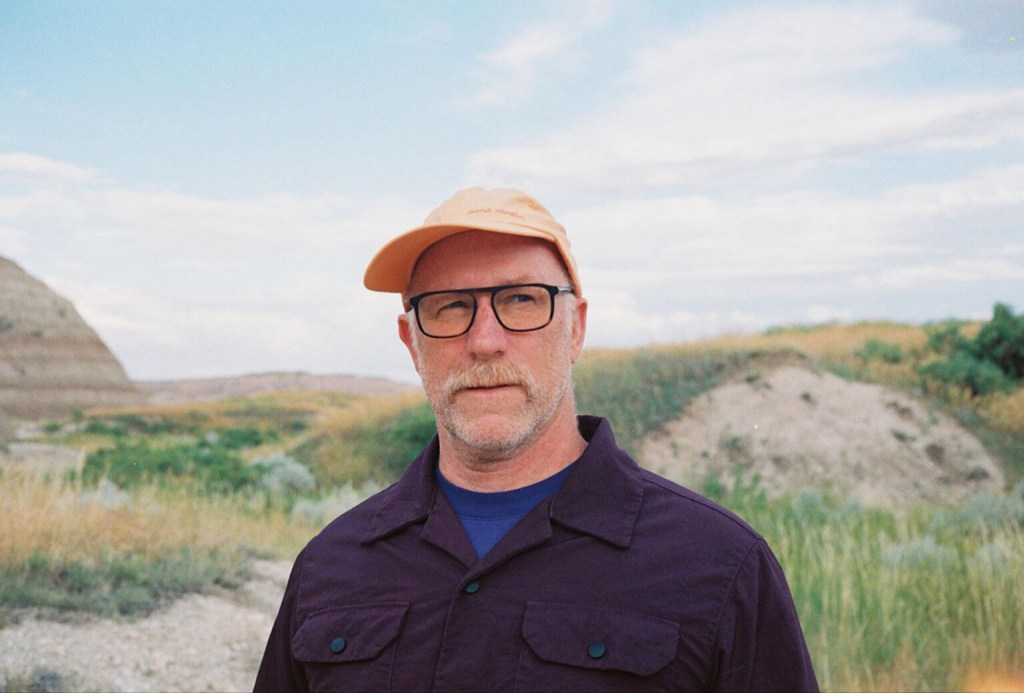
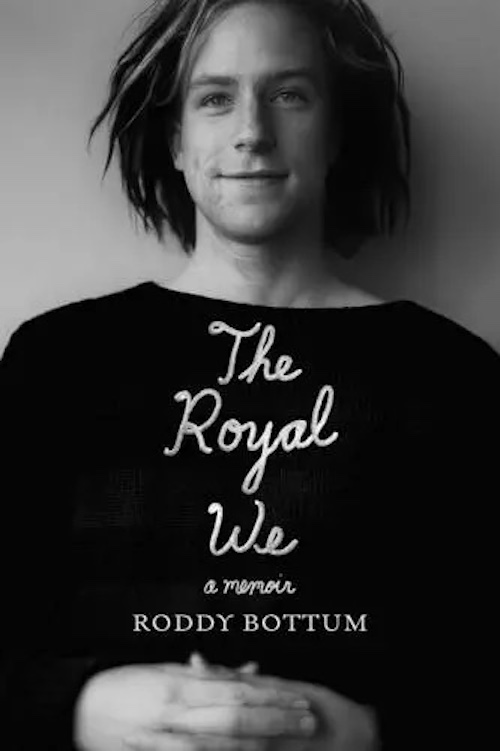

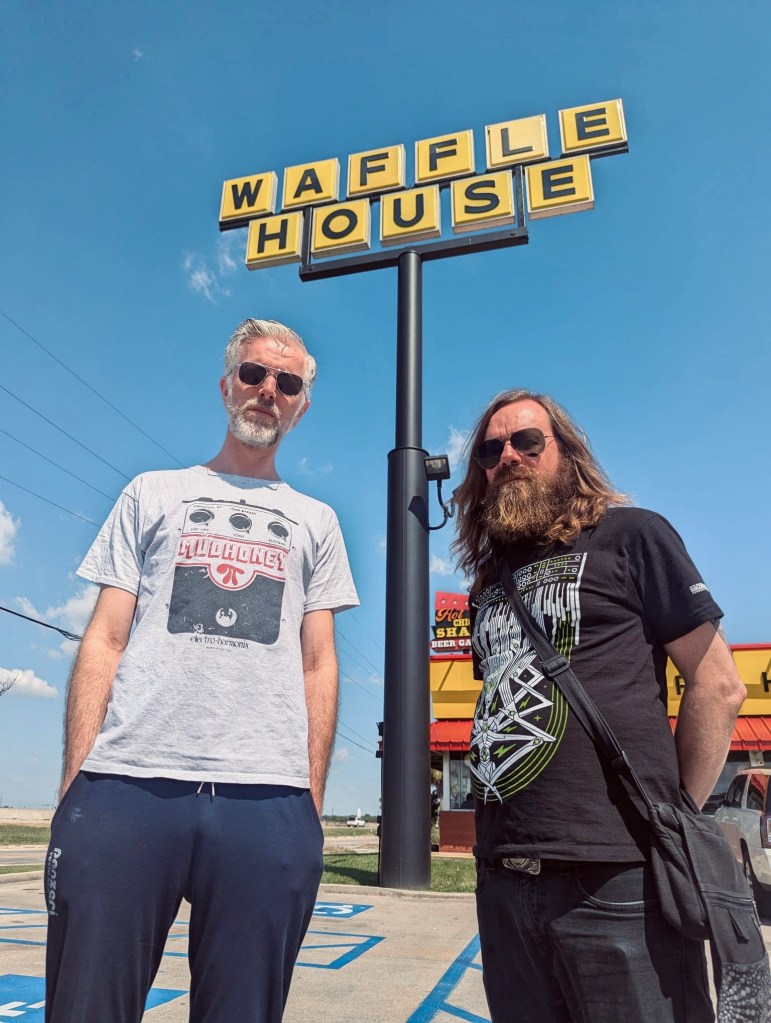


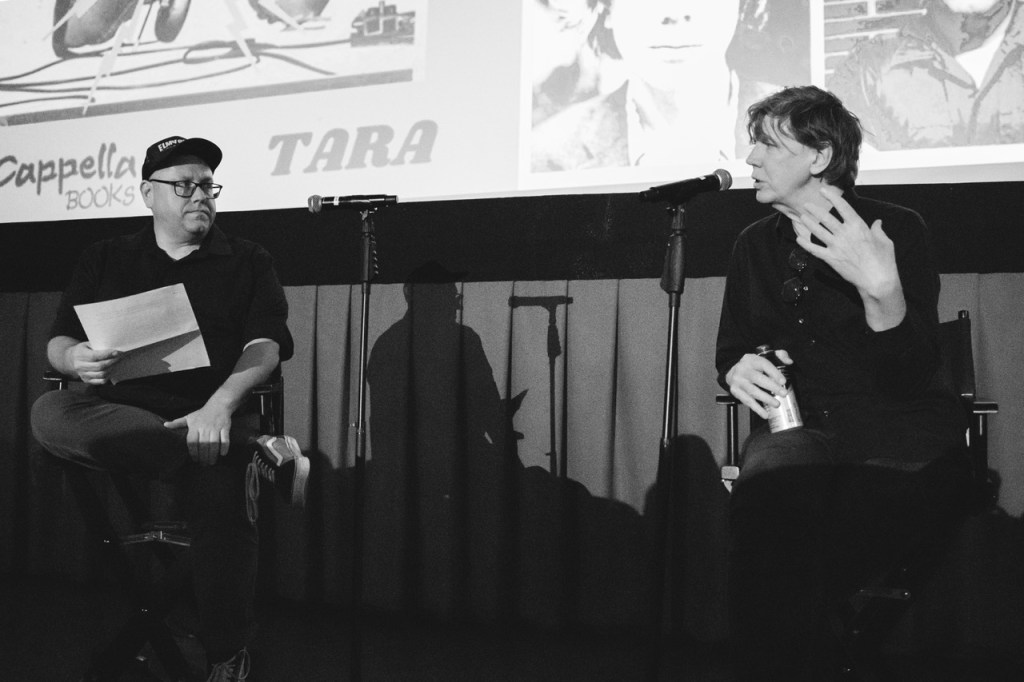


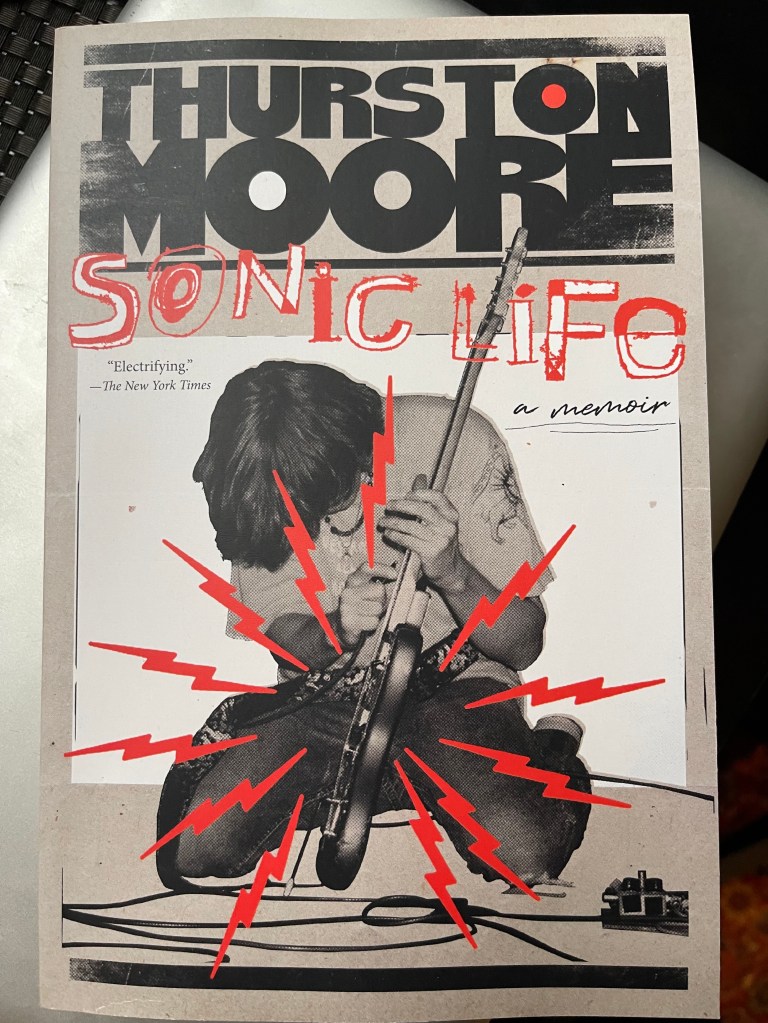


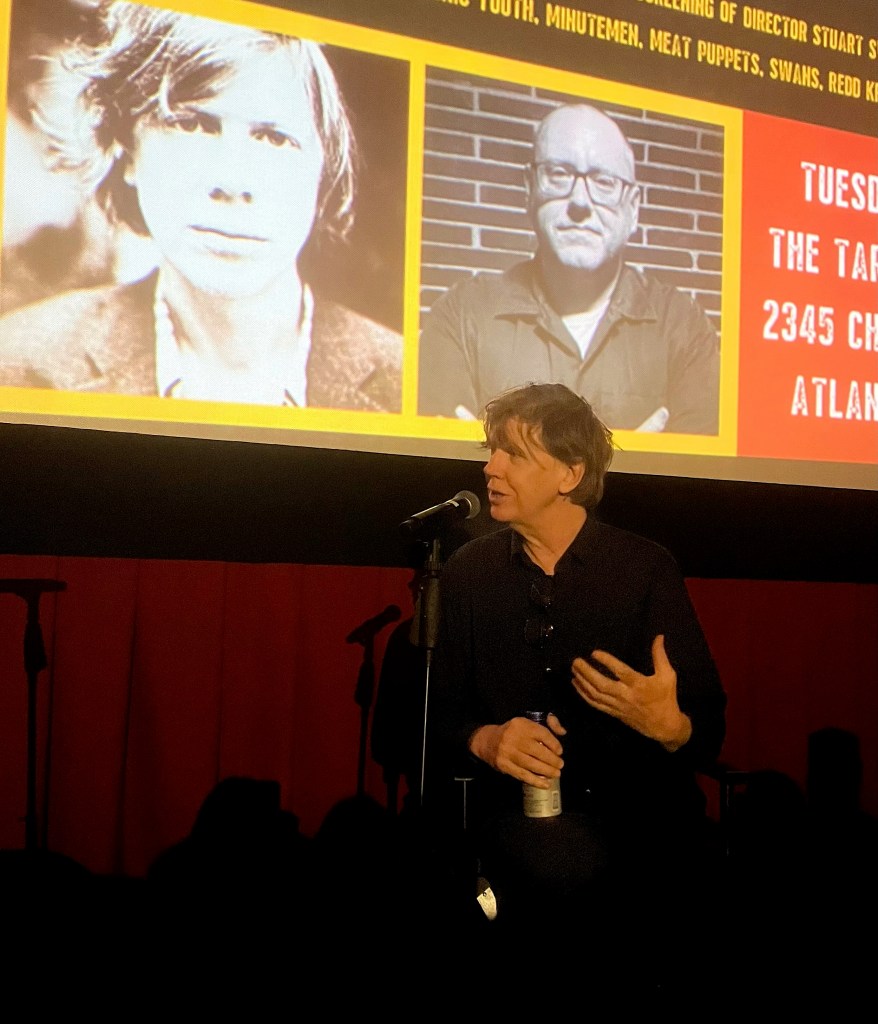


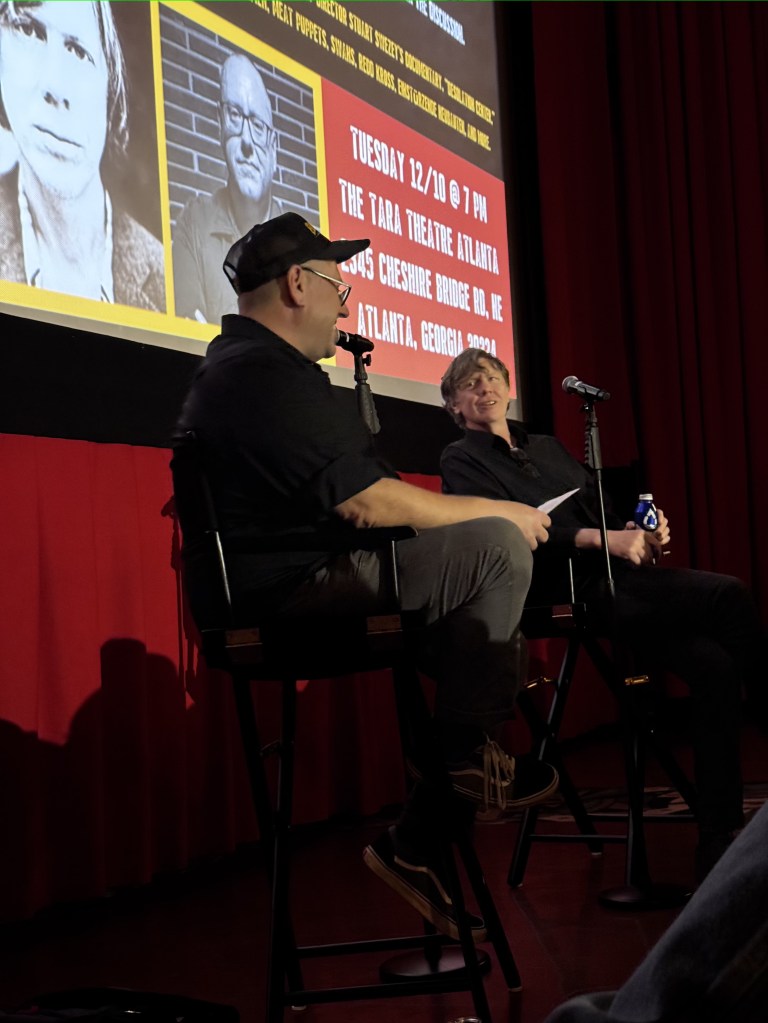


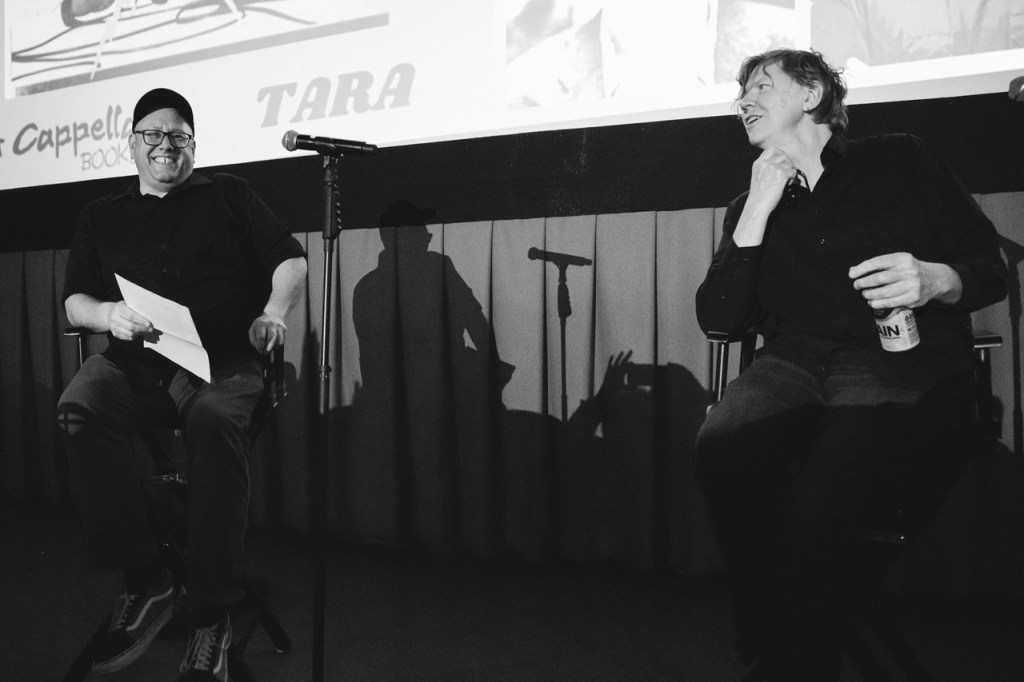


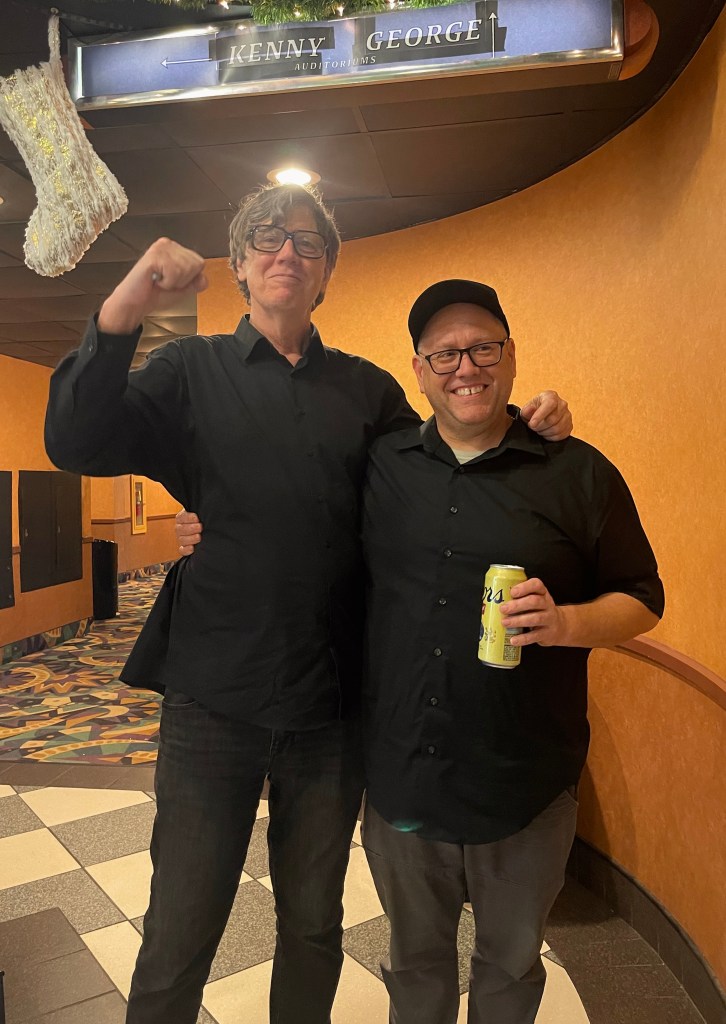
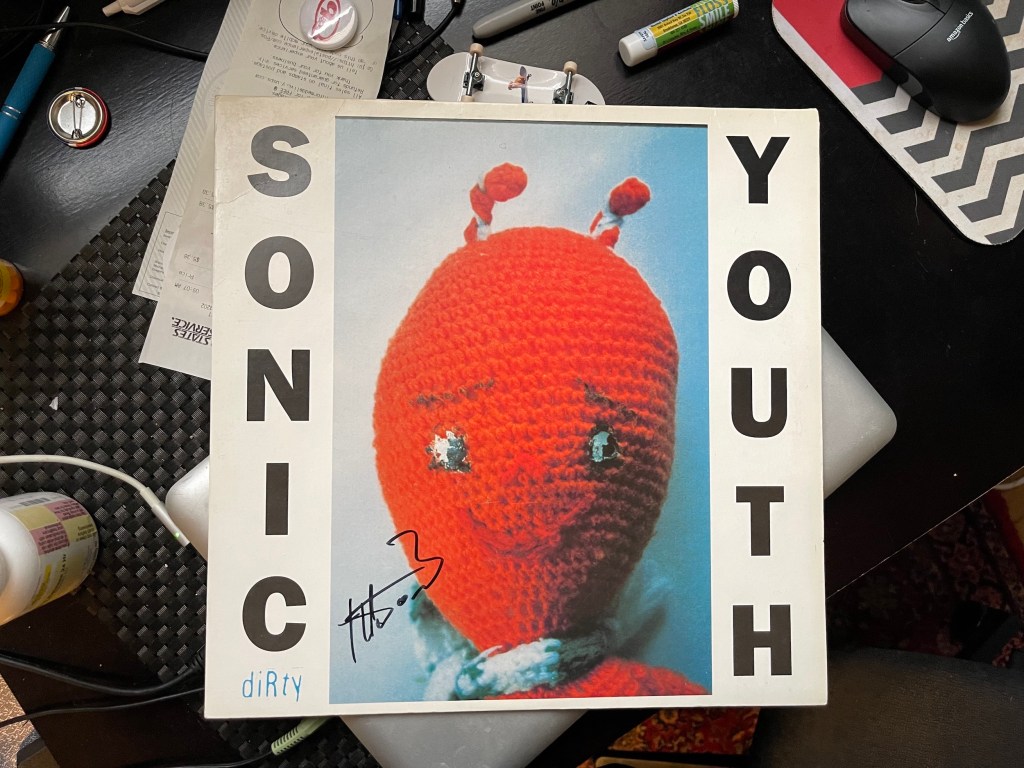


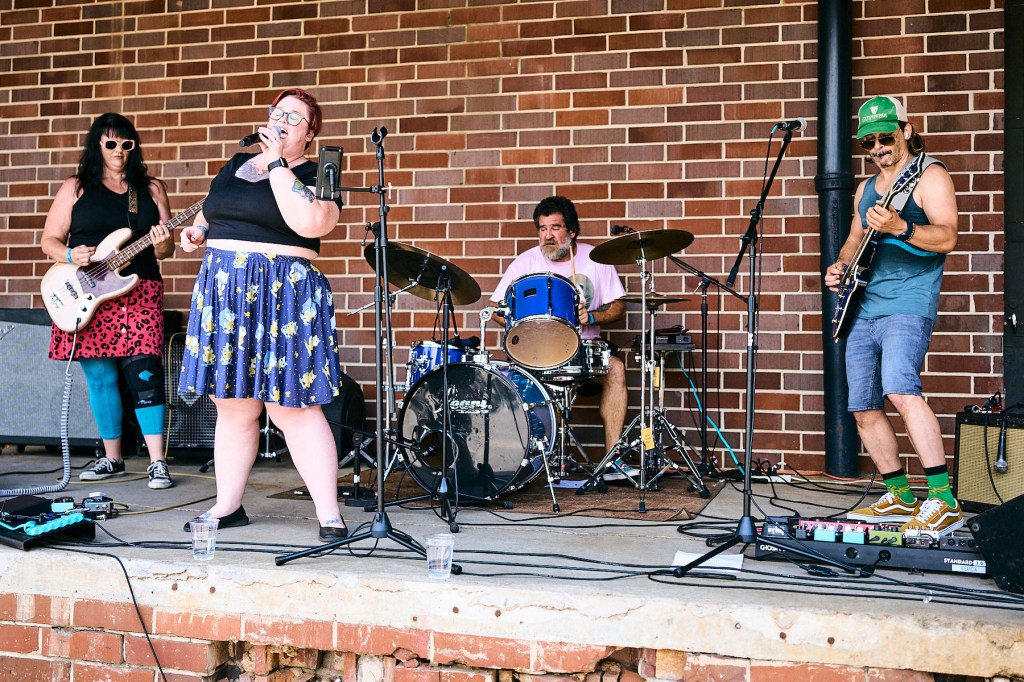
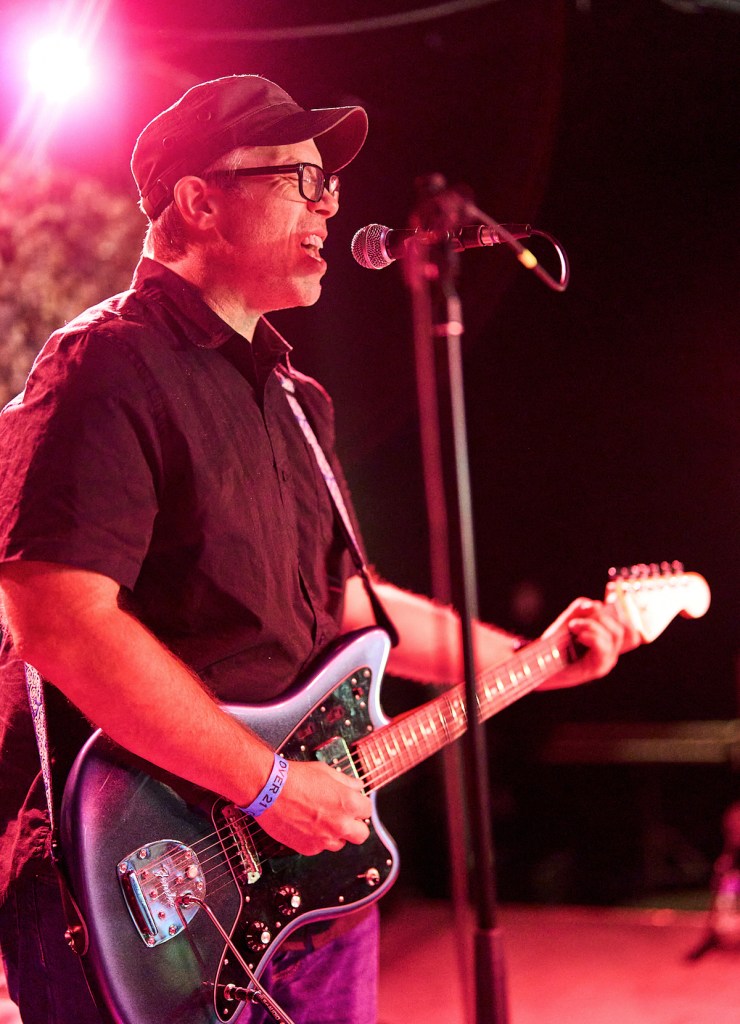






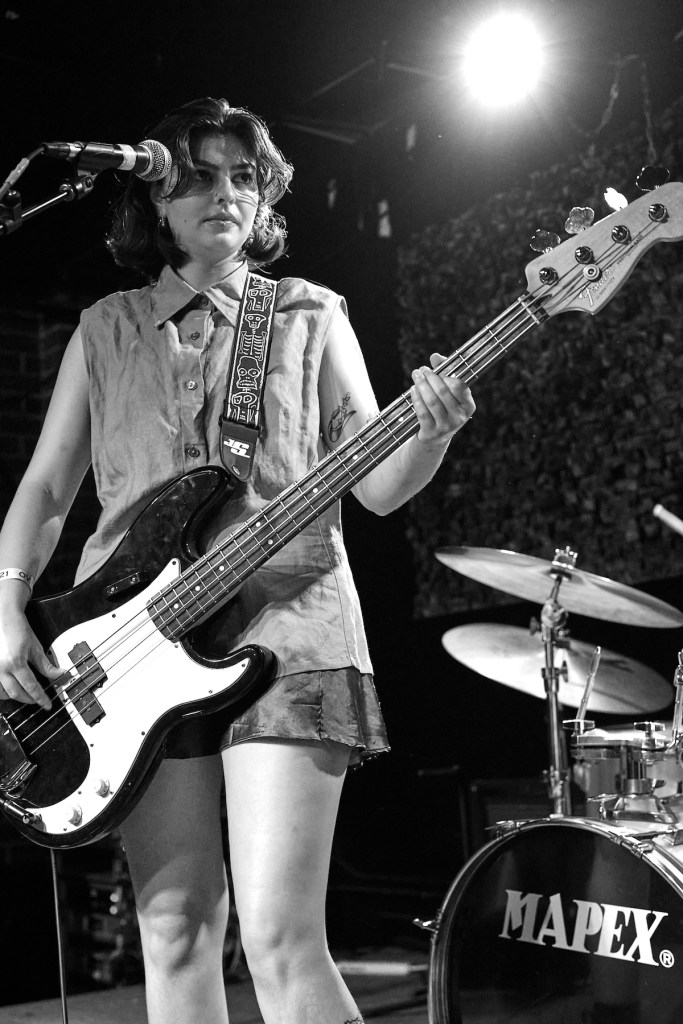


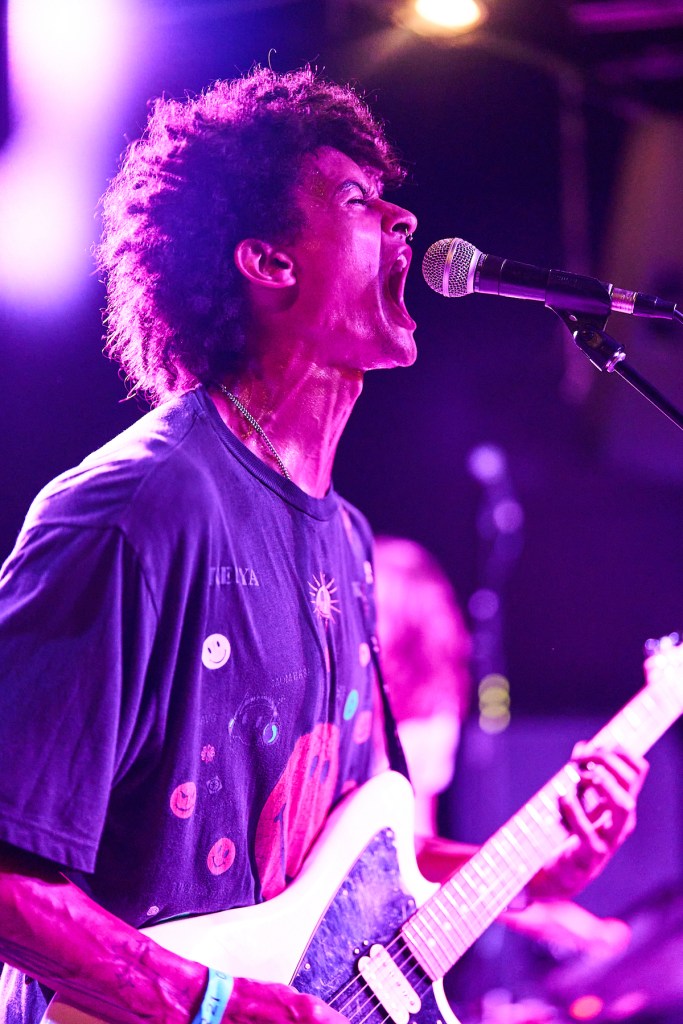

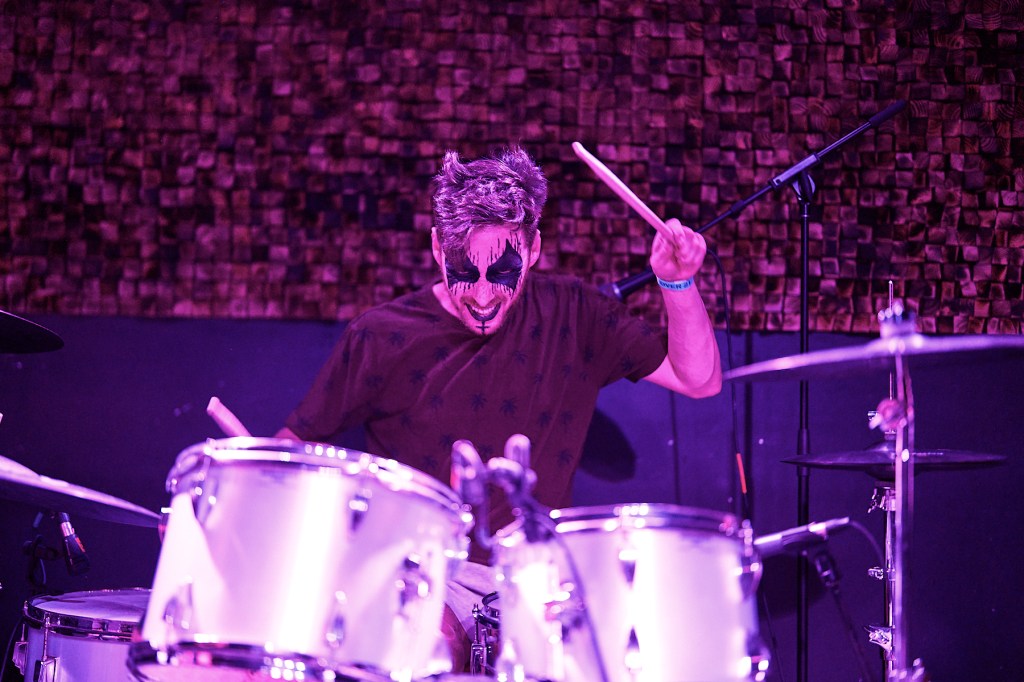
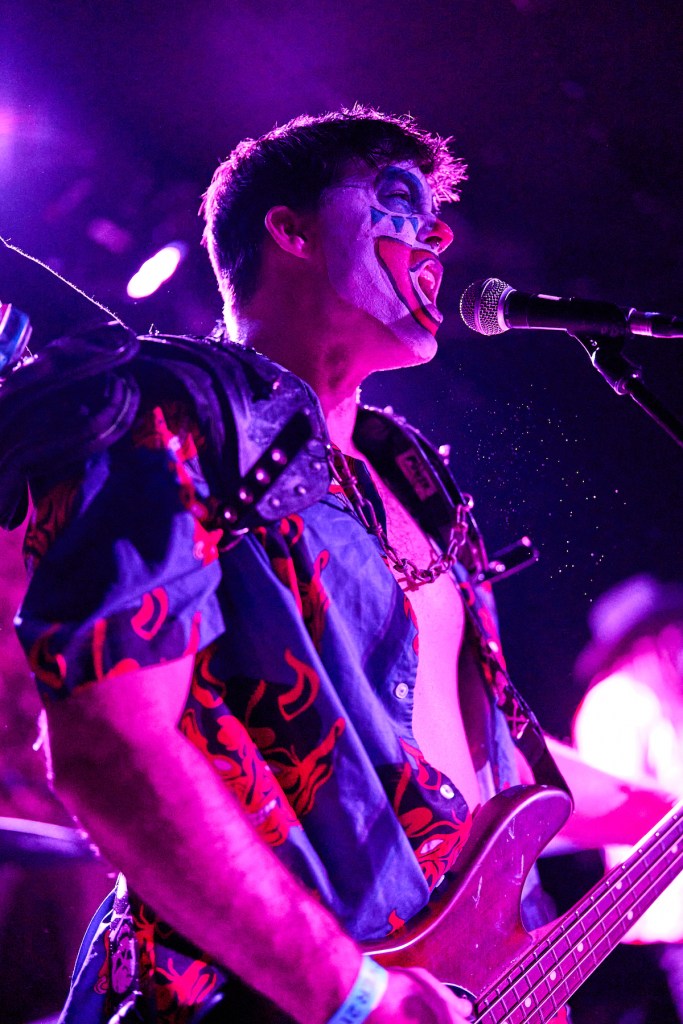
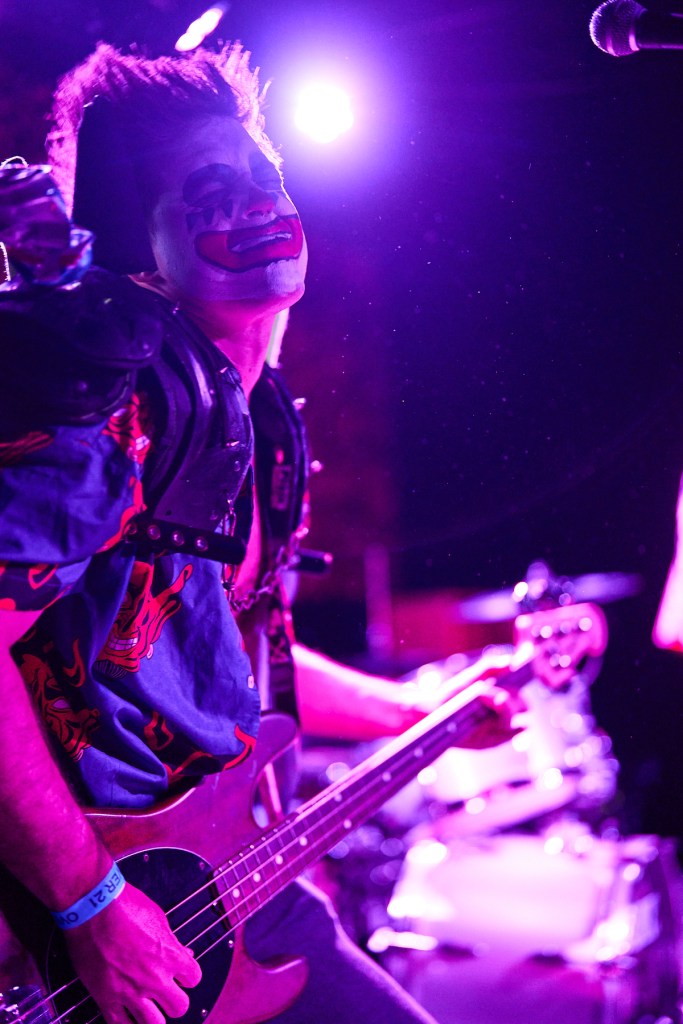
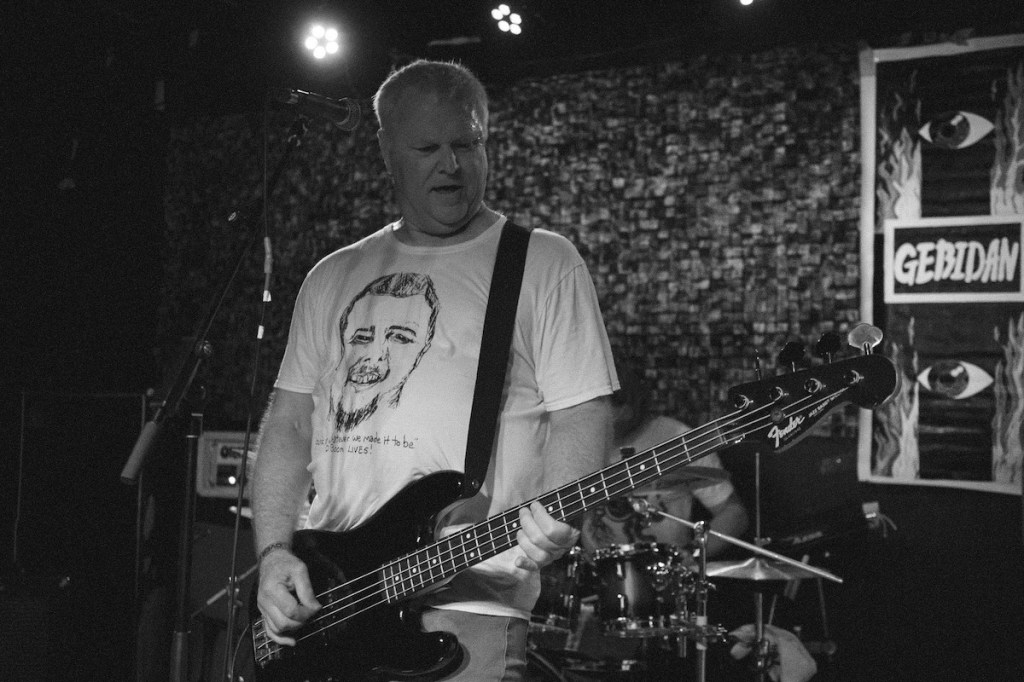

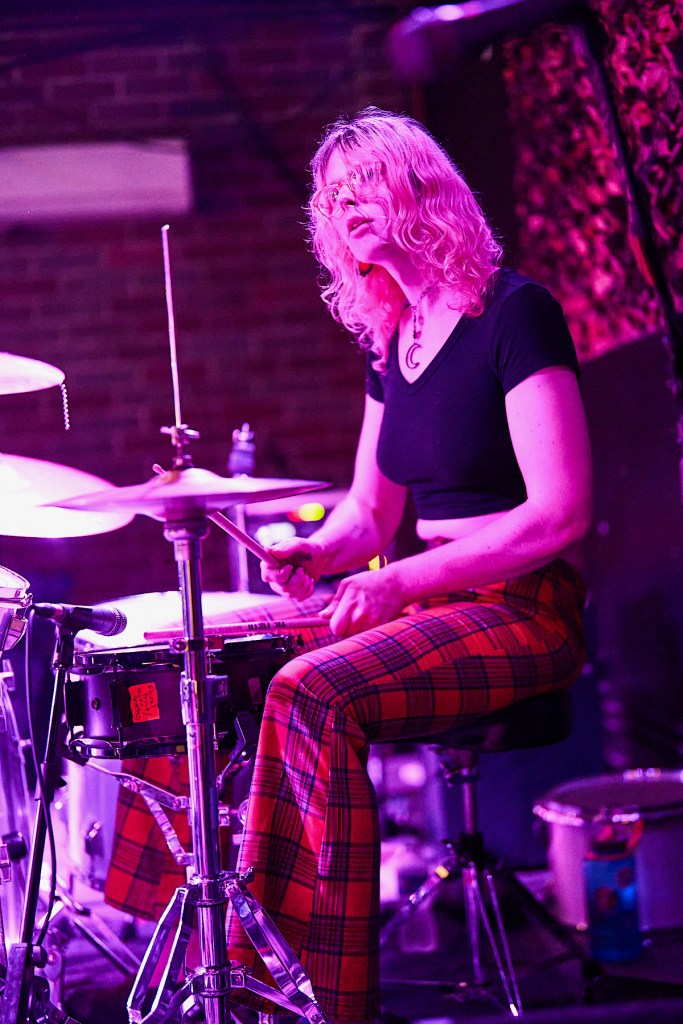

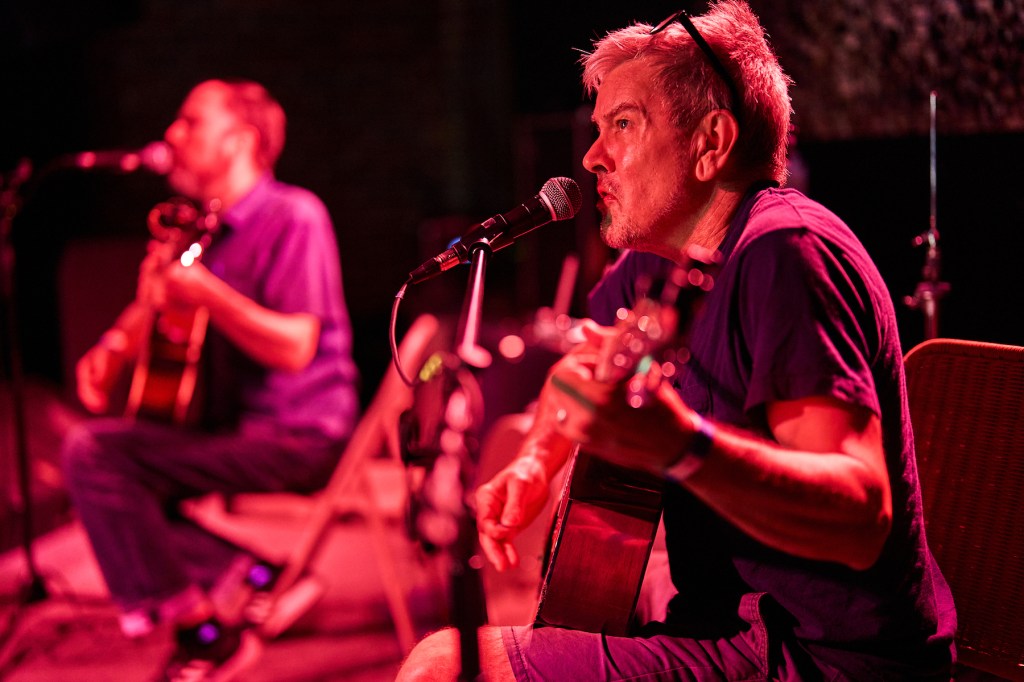


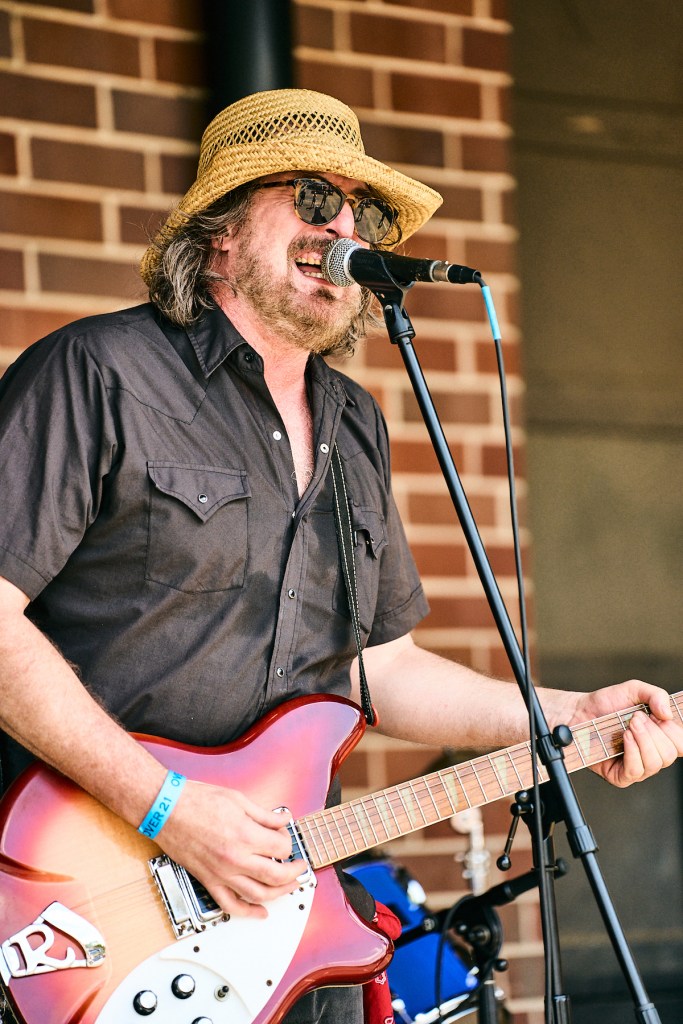


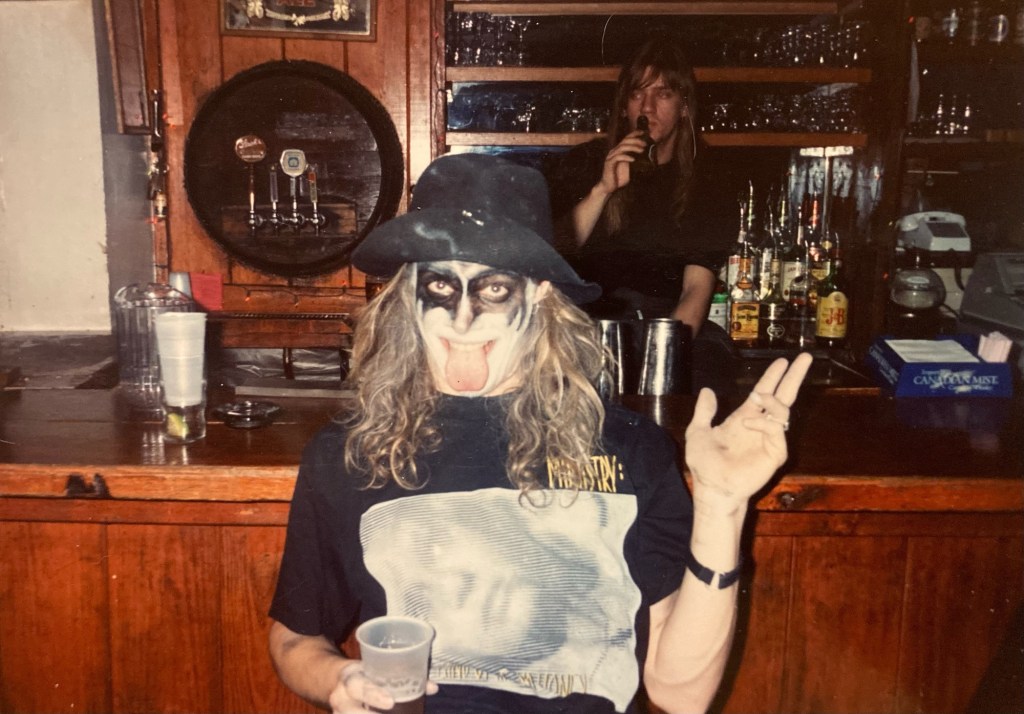


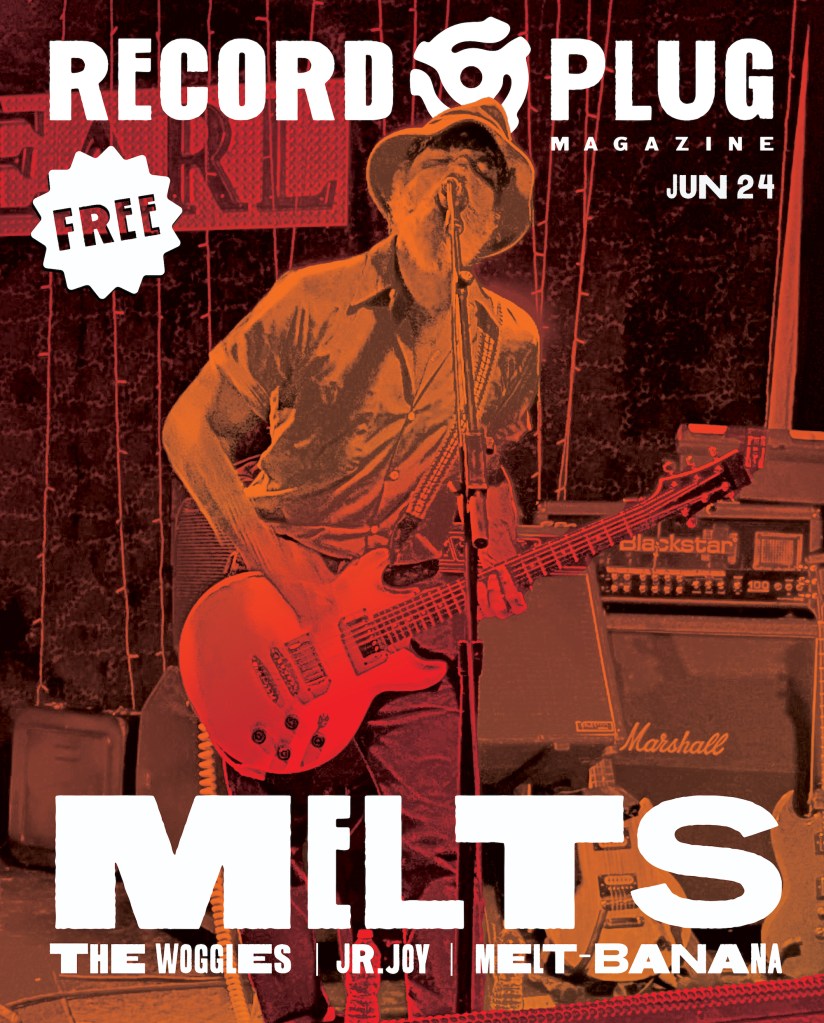



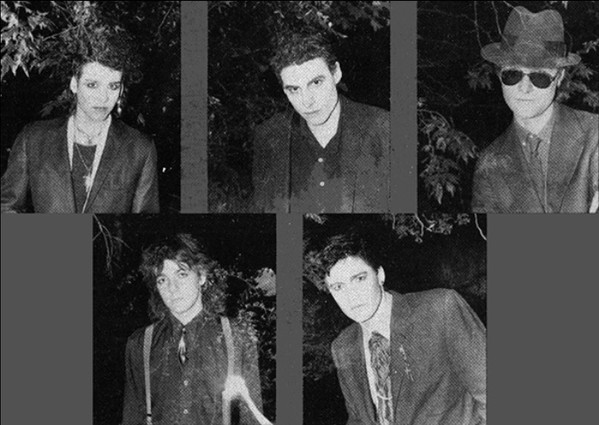

 Rad/ATL