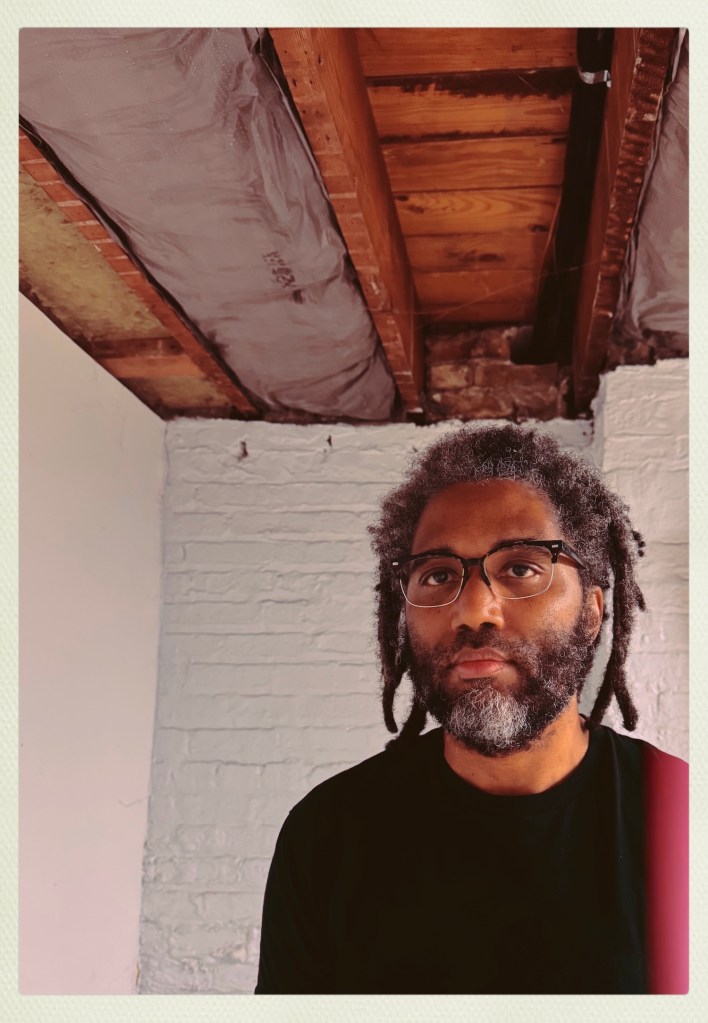
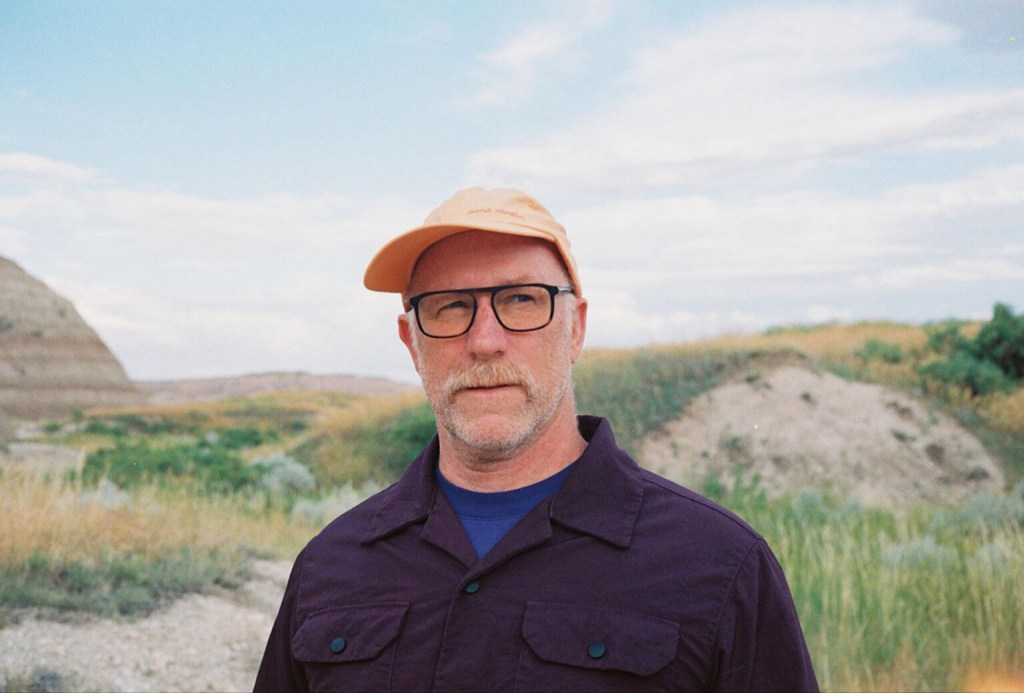
Multi instrumentalist Che Arthur is a Chicago-based artist touring in support of his fourth and most recently released solo album, Describe This Present Moment (Past/Future Records). Having recently wrapped up a month-long European tour doing live sound and opening for Bob Mould, Arthur brings a modern take on raw hardcore velocity, and intense punk songwriting to Waller’s Coffee on Wednesday, January 28.
For this show, Arthur is joined by Athens indie rock stalwarts Five Eight and Atlanta post-punk statesmen Victory Hands.
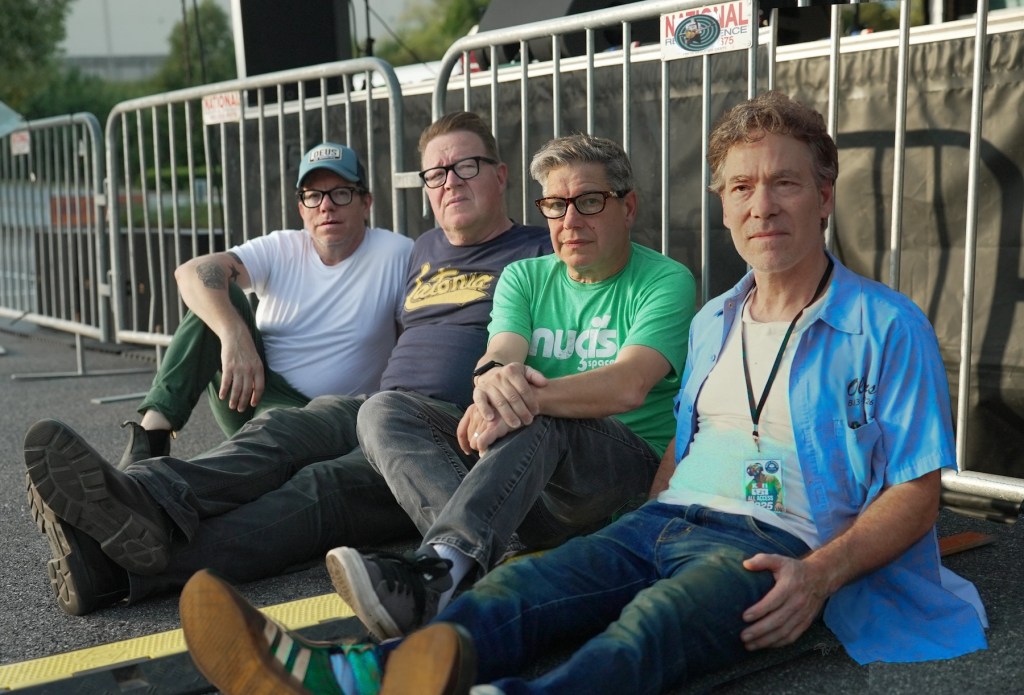
Five Eight. Photo by Marc Pilvinsky.
Five Eight is still riding high after touring the Southeastern U.S. from Austin to Asheville to Tampa with their critically-acclaimed feature length documentary film, Weirdo: The Story Of Five Eight. The group’s ninth studio album, Help A Sinner, is due out in March via Static Era Records.
Victory Hands. Photo by Ryan Williams.
Victory Hands is prepping to record their upcoming release, a “watergatefold” double LP titled Cavett. The album builds upon VH’s theme of crafting lyrics using transcripts taken from disgraced former U.S. President Richard M. Nixon’s nefarious recordings of conversations about his enemies in the media—journalists! The release date for Cavett (as in Dick) remains TBD, as the album is currently being recorded. Come get a sneak peek at the songs.
If you can’t make it out for the the show at Waller’s, you can catch Che Arthur in Athens on Jan. 30 at Normal Bar with David Barbe of Sugar and Mercyland.
Check out Sugar’s latest single, “Long Live Love” below.
If you have enjoyed reading this post, please consider donating to RadATL. Venmo to @Chad-Radford-6 or click on the PayPal link below.
Throughout much of last year, Atlanta’s music scene felt like an S curve, emulating the backstreets, house shows, practice spaces, DIY venues, clubs, and warehouses that punctuated so many late-night excursions. Each turn revealed a different version of all that “Atlanta music” can be. Punk barked and snapped with urgency, hardcore hit with blunt force, indie rock melodies and shoegazing textures ruled, while the city’s secret love affair with drone and experimental sounds churned and hummed in exciting new ways.
What ties these 15 albums together is pure intent. These are records made by artists who are aware of the ground beneath their feet, even while pushing outward. It comes through in their grit, patience, and refusal to sand down the edges. Some of these albums feel like snapshots of specific rooms and nights. Others stretch time, inviting listeners to sit with each note until the music becomes revelatory.
If you don’t see your favorite year-end picks here? Leave a comment with a link for us all to check out.
1. Ultra Lights: Ultra Lights (Chunklet Industries) Ultra Lights’ self-titled, six-song LP blends wiry guitars, sharp melodies, and a restless beat into a taut, urgent album that demands an instant replay every time the needle comes up. The group features former members of Turf War and Illegal Drugs. As such, songs like “It’s Your Funeral,” “Clockin’ Out,” and “Nostalgia” rank among the finest post-punk and garage-fueled numbers the city has ever produced; each track leaving a lingering echo in the air. There’s a precision to Ultra Lights propulsive sound, a sense that every chord and drum hit is calculated, yet it remains unpredictable, yielding an energy that feels alive and electric.
2. Franks atl: Ode To Lucenay’s Peter With Ode to Lucenay’s Peter, Franks atl bends Appalachian ghosts and downtown Atlanta drone into something intimate and quietly unhinged, with Brian Frank Halloran’s cello and Frank Schultz’s banjo circling each other like wary old friends. Expanding upon Halloran’s work in Smoke and w8ing4UFOs and Schultz’s past in Duet for Theremin and Lap Steel, the record drifts and gnaws at the edges, lingering in the room like a half-remembered dream.
3. Sword II: Electric Hour (section1 Records) Sword II’s Electric Hour turns jittery guitars and elastic rhythms into a collection of songs that are both nervy and warm. The album hums with restless momentum, balancing lush atmosphere and sharp musical instincts with a melodic patience that reveals more with each listen.
4. Token Hearts: Token Hearts (Midnight Cruiser Records) Token Hearts’ self-titled LP hums with lived-in melodies and ragged resolve, stitching together jangly indie rock and bruised Americana in a way that feels both familiar and quietly defiant. With songs such as “Behind These Walls,” “Amateurs,” and “American Lens,” Buffi Aguero (Subsonics) and Patrick O’Conner are the creative nucleus leading a rotating cast of players, finding slow beauty in the fray, turning hard-earned miles and small moments into songs that are warm and resonant.
5. Hubble: 1,000 Heads(Rope Bridge Records) Hubble’s 1,000 Heads bristles with restless energy and bruised melodies, from the skittering urgency of “Starhead” and the narcotic swirl of “Reviver” to the punk‑tinged skronk of “Chrome,” painting an Atlanta sound that’s both defiant and introspective.
6. Ultisol: Precession of the Equinox Ultisol’s debut album, Precession of the Equinox was conceived and composed by multi-instrumentalist Daniel Lamb. Each song blends drone and classic guitar sensibilities, as Lamb’s celestial strumming is anchored by a bucolic tangle of acoustic resonance and Southern avant-garde atmosphere. Produced by Dale Eisinger (YVETTE, House of Feelings), Precession expands its reach with contributions from various collaborators weaving together noise, raw textures, and wide-eyed sonic explorations into an immersive abstract wash of sound. Banjo rolls, field recordings, and ambient textures swirl together creating something both grounded and cosmic—an astral Americana for the ages.
7. Blammo / Riboflavin split LP (State Laughter) Blammo and Riboflavin both called it a day just in time to release a split 12″ that stands as testament to the more adventurous pockets of Atlanta’s post-punk and new wave underground. Here, both bands tangle in jagged minimalism and a shambolic strum. Blammo shines a light on spiky German, Austrian, and Swiss post-punk energy. Riboflavin leans into a loose and hypnotic jangle. Sarah Prewoznik’s voice cuts through with icy shrillness while Graham Tavel sculpts intricate pop melodies. Tyler Roberts Channels the most elusive qualities of new wave’s undefinable inflections. Ian May and Josh Feigert’s guitars revel in a discordant haze. There is tremendous diversity here, as each track veers from smooth to maniacal, humming along with fleeting moments of noisy brilliance, harmony, and anxiety.
8. Insomniac: Om Moksha Ritam (Blues Funeral Recordings) Insomniac’s debut album, Om Moksha Ritam, comes on quietly at first, like billowing storm clouds scraping across a foreboding sky. The album’s opening number, “Meditation,” bursts with droning rhythms. “Mountain,” “Forest,” “Desert,” and “Sea” invoke the cinematic imagery of Ennio Morricone’s spaghetti western film scores, steeped in late-night ambiance. Each song sways between delicate intimacy and glacial crescendos of rhythm, distortion, and trance-like vocal mantras that peak in the “Awakening,” gliding with intensity through the subconscious. If the end is nigh, Om Moksha Ritam is an immersive hymn calling down the mystical and forbidden forces that separate a dreaming mind from the waking world. R.I.P. Mike Morris.
9. Archeology: Gains In Perspective Archeology’s Gains In Perspective thrives on the quiet tension between momentum and reflection, sounding like a band taking stock of where they’ve been without losing the nerve to push forward. It’s a record that rewards close listening, revealing its emotional weight not in grand gestures but in the accumulated force of carefully chosen moments.
10. Dillon & Paten Locke: Rations (Full Plate) With Rations, Dillon & Paten Locke strip things down to their bare essentials, letting restraint, texture, and booming negative space do the heavy lifting. It’s a glowing and smooth record that commands the listener to lean in, finding power in what it withholds as much as what it reveals.
11. Upchuck: I’m Nice Now (Domino Recording Company) I’m Nice Now sharpens Upchuck’s already feral brand of punk and indie rock into something leaner, louder, and more self-aware, pairing bile-spitting hooks with a street-level sense of humor that never dulls the blade. It’s an album that sounds like growing up without growing tame—still reckless, communal, and bristling with purpose.
12. CDSM: Convertible Hearse (Mothland & Exag’ Records). Convertible Hearse barrels forward with CDSM’s serrated blend of noise, industrial-grade beats, and punk belligerence, sounding less like a collection of songs than a sustained act of controlled demolition. It’s confrontational and unpretty by design, but there’s a grim clarity beneath the chaos for those willing to stand close to the blasting zone.
13. Gringo Star: Sweethearts(Dizzybird Records) Gringo Star’s Sweethearts trades indie-rock grit for a 1950’s pop shimmer, weaving together soft-focus textures that imbue their signature blend of garage rock and psychedelia with a new and introspective depth. The album’s first two singles, “Blood Moon” and “I Sleep to Dream,” highlight a musical evolution in progress, each one floating in reverb, harmonies, and instantly familiar melodies wrapped around love stories. The songs shape shift with dreamlike grace, expanding upon elements of both nostalgia and innovation, carrying the band into new terrain.
14. Jacob Chisenhall: Be Steel, My Heart With Be Steel, My Heart, Jacob Chisenhall crafts a love letter to the pedal steel guitar. Songs such as “Flowers For Inez,” “Beachfront Bossa” (ft. Rose Hotel), and “One for Mr. Byrd” (ft. Paul Guy Stevens) turn quiet resolve into a weighty pop excursion, stitching heavenly rural melodies to the kinds sparkling atmosphere that would make Van Dyke Parks and Brian Wilson smile.
15. Various Artists: Friends of G.G. (Scavenger of Death) Friends of G.G. is a dispatch from the underbelly of Atlanta’s post-punk continuum—noisy, melodic, and creatively off-center. This compilation shines a light on a dozen side players who have passed through G.G. King’s orbit over the last 18 years, paying homage to the city’s kaleidoscopic lo-fi, post-punk, and hardcore roots. Tracks by Wymyns Prysyn, Whiphouse, and Gentleman Jesse blend with cuts from bands that never made it out of the basement. La Serra’s “Horses” reveals some charming indie pop intricacies hiding in G.G.’s avant-garde tapestry of sound. It’s a fever dream of blown-out demos brought together in a pastiche of outsider anthems and flashes of brilliance from Atlanta’s post-punk family tree—less a retrospective more an atlas of living breathing friction and resilience.
If you have enjoyed reading this post, please consider donating to RadATL. Venmo to @Chad-Radford-6 or click on the PayPal link below.
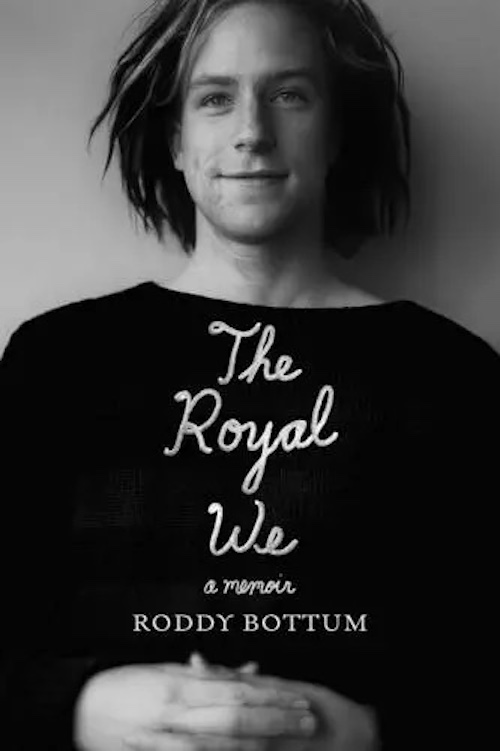
Roddy Bottum has spent much of his life sculpting a soundtrack for cultural upheaval, whether playing keyboards with Faith No More or channeling emotionally resonant pop with Imperial Teen. On Sunday, February 15 at 4 p.m., Bottum brings that same sense of reflection and revelation to Atlanta for a conversation about his new memoir, The Royal We, hosted by Criminal Records and A Cappella Books.
‘The Royal We’ (Akashic Books)
The Royal We is Bottum’s coming-of-age and coming-out story, capturing a city—and a self—on the verge of transformation. Bottum traces his journey from growing up gay in Los Angeles to finding community, purpose, and creative ignition when he moved to the Bay Area. There he co-founded Faith No More, and cranked out era-defining numbers such as “We Care A Lot,” “Epic,” and “Midlife Crisis.”
Bottum’s memoir is far from a standard rock tell-all. While there are brushes with celebrity status—encounters with Kurt Cobain and Courtney Love, the chaos of playing arena-sized shows, and stacks of gold records piling up—the gravity comes from his unflinching accounts of addiction, loss, and survival amid the AIDS crisis. Written with clarity and honesty, The Royal We is a personal reckoning and a cultural document, mapping how resilience is built from within.
Bottum is joined in conversation by yours truly, Atlanta music writer Chad Radford (Atlanta Record Stores: An Oral History). Our talk will be followed by a book signing. It’s ok to bring CDs, LPs, or whatever personal items you’d like to have signed, but definitely pick up the book. Copies will be for sale at the event. It’s the reason he’s here, and it’s a must-read for fans of Faith No More, students of queer cultural history, or anyone drawn to stories of survival and self-invention. The conversation promises an intimate look at an artist—and an era—that reshaped all that alternative rock music could be.
Free to attend. Sunday, February 15 at 4 p.m. Criminal Records, 1154 Euclid Ave NE A, in Little 5 Points.
If you have enjoyed reading this post, please consider donating to RadATL. Venmo to @Chad-Radford-6 or click on the PayPal link below.
Pylon Reenactment Society’s “Christmas Daze” captures that peculiar mix of frantic motion and quiet clarity that settles in around the holidays. The song was born on instinct during a late-2021 rehearsal: bass player Kay Stanton dropped a riff that snapped the room into sharp focus. Within minutes the group had a new song on their hands. They carried that momentum straight into Chase Park Transduction, tracking the tune on December 29, 2021, while the season’s energy still hung in the air. The song was initially released via Bandcamp on December 1, 2023.
“Christmas Daze” follows a lone traveler who runs out of gas on the way to and from a family gathering. But the breakdown serves as a reset. Instead of leaning into frustration, the song’s narrator reconnects with the small charms that make the holidays worthwhile. Tiny flashes of warmth are found in roadside stillness, the glow of passing decorations, and the quiet pause between obligations.
Pylon Reenactment Society. Photo by Christy Bush
PRS delivers it all with their signature taut and wiry pulse. Vanessa Briscoe Hay’s voice cuts through like a cold wind, carrying equal parts wry humor and wonder. Jason NeSmith’s guitar sparks and coils around Gregory Sanders’ crisp drumming, and Stanton’s riffs propel the music forward. ‘Christmas Daze’ hums with the notion that life moves better when you stay present enough to catch the beauty flickering in every passing second.
If you have enjoyed reading this post, please consider donating to RadATL. Venmo to @Chad-Radford-6 or click on the PayPal link below.
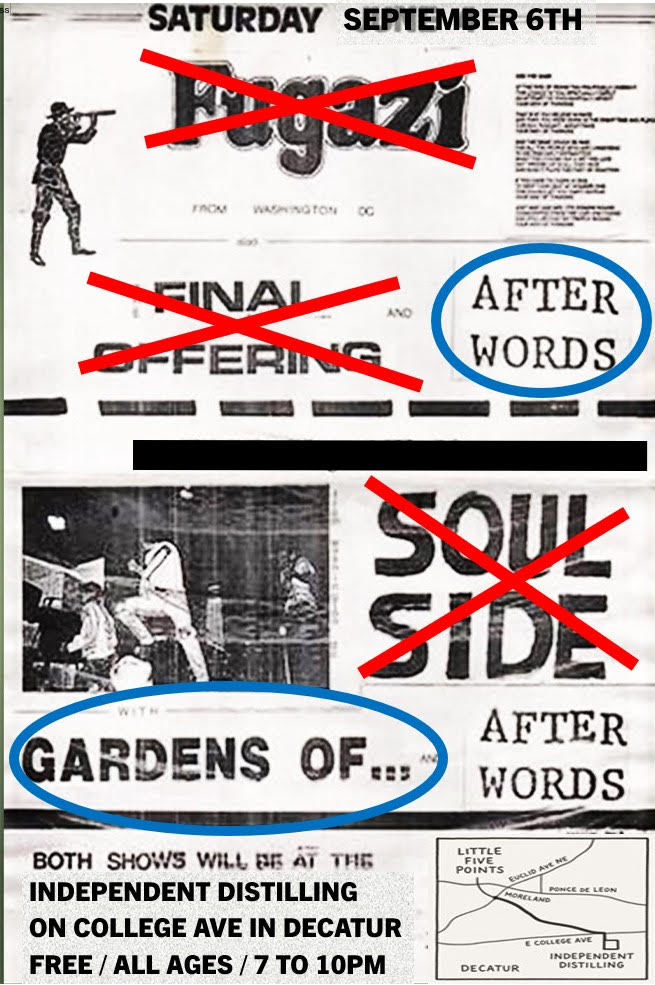
After Words and Gardens Of… play Independent Distilling Company on Sat., Sept. 6.Free. All Ages. 7-10 p.m. 547 E College Ave, Decatur.
Atlanta’s mid-’80s hardcore staple Neon Christ played its final show in February of 1986. One day later, drummer Jimmy Demer, bass player Danny Lankford, and vocalist Randy DuTeau reconvened as Gardens Of… It was a new and ineffable post-punk outfit that thrived in the outer limits of punk and metal’s diffuse influence on underground and popular culture—well before the term “alternative” entered the canon.
“We never called it that,” Demer says. “We listened to a lot of Stooges and Black Sabbath at the time.”
Demer moved to guitar while Lankford remained on bass. Drummers and vocalists came and went. “We had lots of lineup changes and were never that great, but we played with the intensity of people who were sure they were great,” Demer adds.
Gardens Of… recorded one demo tape, but nothing was properly released. The group called it quits in ’89. Still, their presence on the local scene resonated—channeling punk and hardcore’s scorched earth ethos inward, transforming a confrontational sound into equal parts menace, groove, and rock ‘n’ roll. Their jagged, hypnotic sound peeled away the last layers of hardcore orthodoxy.
Now, 36 years later, Gardens Of… is back with a new lineup, new songs, and a more refined disposition.
During their original run, they shared stages with the Rollins Band, Social Distortion, Die Kreuzen, Bl’ast, Suicidal Tendencies, and like minded locals including Sabotortoise (who later became Melts), funk punk band Follow For Now, Mr. Crowes Garden (early Black Crowes), and No Walls featuring their former Neon Christ bandmate William Duvall, later of Alice In Chains. They also played with another DuVall band called the Final Offering, which featured Mike Dean of Corrosion of Conformity.
Gardens Of… also opened for Washington D.C. stalwarts Fugazi’s first Atlanta show at the First Existentialist Congregation in Candler Park, on June 4, 1988, along with After Words. After Words’ self-titled LP was released by Amanda MacKaye and Eli Janney’s Sammich Records in 1989. At the time, After Words were the only band from outside of Washington D.C. to receive distribution through Dischord Records.
“There were a couple dozen people there,” Demer says. “We had no idea what to expect from Fugazi. It was before they had released any music, and of course our minds were blown.”
Fast forward to the COVID era, and Demer was at home writing songs inspired by his early heroes. “It was time to get Gardens Of… together again to play this punk-metal stuff,” Demer says.
Lankford was in, and Brent Addison returned to drums. “He was the best of the four-five drummers we had back in the day,” Demer says. “We brazenly poached him from After Words.”
Vocalist Emily Lawson joined under unusual circumstances. At a karaoke party, Lankford and his wife Shelley heard her singing songs by Nine Inch Nails, Blondie, Prince, Beastie Boys, M.I.A., and the likes. “She sounded good and projected confidence,” Lankford says. “I invited her to sing in my basement—more informal, maybe less intimidating.”
Lawson had never played in a band, but revealed a powerhouse voice in new Gardens Of… numbers such as “Do It For the Kids,” featuring the lyrics: “Do it for believers squatting in abandoned factories / Do it for the cold case / Do it for its own majesty / For DRI and MDC / Do it for the ceremony / Do it for the summer sun / Do it, do it, do it for free.”
It’s a hard reset for a veteran act from a bygone era with nothing to prove. “We’re all better players now,” Demer says. “I had time during the pandemic to broaden my abilities as a guitar player and writer. The songs don’t sound like Dio or Black Flag, but they stand on their own nevertheless.”
Three years in the making, Total Peace’s self-titled debut album comes out of the gate strong with volume and urgency. What began as a neighborly chat between Michelle Williams and Matt Cherry during the peak of COVID isolation turned into a full-fledged band grounded in old school human interaction and no-frills songwriting.
Cherry is best known for slinging layered and complex guitar parts in the psychedelic post rock outfit Maserati. Here, he trades his effects pedals for a bass and a microphone. His voice is heavy, tuneful, and raw in songs such as “Taped Up,” “Trance,” and “Slipped.” It’s a bold pivot that calls to mind the ramped up energy of Gang of Four’s Entertainment! and the introspective back-and-forth between Tom Verlaine and Richard Lloyd throughout Television’s Marquee Moon—all driven by the sheer exuberance of the Stooges’Self-titled LP. The riffs are bold and the rhythms are undeniable, reveling in the power of repetition.
Guitarists Williams and Craig Gates and drummer Greg Stevens round out the lineup with a compelling synergy. Stevens and Williams share roots in Atlanta’s early aughts indie rock band Red Level 11. Their chemistry grounds the record’s driving pulse, as they thrive on stripped-down dynamics—no synths and no nonsense.
There is no concept at work here per se, but Cherry says, “Michelle and I are neighbors in Inman Park. She has a bunch of historical documents about people and events on our street in the 1910s and 1920s that we thought were interesting. Several of the songs are loosely about those things. Other songs,” he goes on to says,” “are about different topics ranging from fictional characters to various midlife crises and dark thoughts.”
Recorded live at Maze Studios in Reynoldstown with engineer Ben Etter (Erasure, Washed Out, Nikki and the Phantom Callers) and mastered by Joel Hatstat (Bambara, We Vs. the Shark, Liz Durrett), this self-titled debut leans into its compact and hook-laden energy. “Tom Talbot,” “Mold Blue” and “Be Free” dance on a tightrope between post-punk tension and anthemic release. There’s a visceral joy in cranking it up for the sake of catharsis, and Total Peace hits like a welcome jolt of electricity.
David J—co-founder of Bauhaus and Love and Rockets—returns to Avondale Estates for a solo appearance supporting his new poetry collection, titled Rhapsody, Threnody, and Prayer, while playing music from his elegiac new LP, The Mother Tree.
It’s a seated, BYOB affair taking place in a small studio setting, that finds the legendary bass player marking a new and vulnerable chapter in his career. Both David J’s new book and album are tributes to his late mother, Joan Nancy Haskins, each one reflecting on decades of introspection, artistry, and grief processed through the lenses of music and verse. Over five atmospheric tracks, The Mother Tree conjures soundscapes for his poetry to drift through—at once dramatic and meditative, full of memory and emotional ballast.
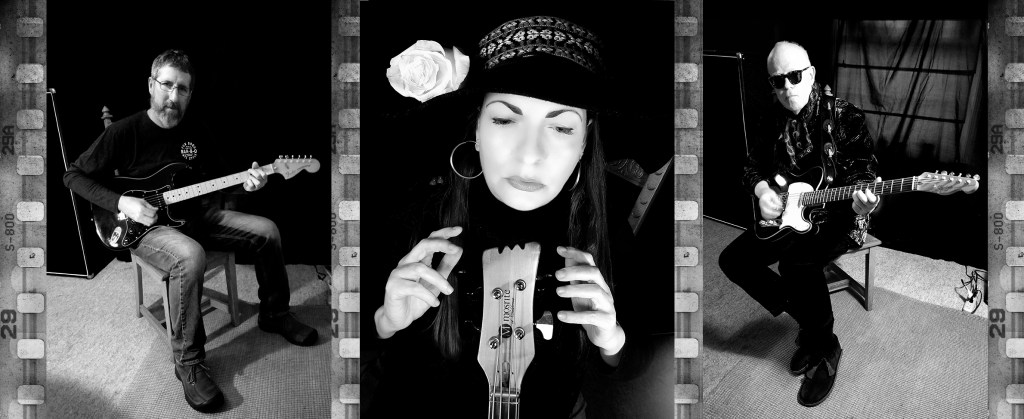
Mike Lynn (left), Lisa King, and Jeff Calder. Photo courtesy The Hot Place
The Hot Place opens the show. The long-running psychedelic darkwave group led by vocalist and bass player Lisa King and Swimming Pool Q’s guitarist Jeff Calder. Rounded out by Mike Lynn (Betty’s Not a Vitamin), the trio will offer stripped-down interpretations of songs from their 2023 self-titled album. Expect acoustic arrangements that lean into the band’s more ethereal inflections, with King also sharing selections from her own poetry collection Dark Queens and Their Quarry.
David J
The connection between David J and the Hot Place runs deep. The two have toured together playing living room gigs throughout the Southeast, and their creative paths have intersected on multiple projects over the years. This performance promises to continue that synergy in a setting designed for careful listening and thoughtful reflection.
Advance tickets are $50, and are required. There will be no tickets sold at the door, and seating is limited. Doors open at 7 p.m. All-ages are welcomed with accompaniment. Respect the neighbors and don’t park in the adjacent driveway.
If you have enjoyed reading this post, please consider donating to RadATL. Venmo to @Chad-Radford-6 or click on the PayPal link below.
If you ever caught an earful of “Destroy All Music” on WREK-FM in the 1980s, flipped through the dog-eared pages of LowLife Magazine, or caught Glen Thrasher behind the counter at A Cappella Books, you already know: Glen didn’t just participate in Atlanta’s underground—he defined a large part of it, for a long time.
Thrasher passed away Saturday morning, May 3, leaving behind a secret legacy that pulses through every DIY show, noise set, and scribbled flyer that still dares to push Atlanta’s arts scene off the rails and into uncharted territory.
He was 66 years old.
In the early 1980s, Glen and co-host Ellen McGrail transformed “Destroy All Music” into a beacon of chaos and possibility over Georgia Tech’s 91.1 FM airwaves. No wave, free jazz, tape hiss, post-punk, and basement weirdness—nothing was too far out. The show carved space for unclassifiable sounds and stood as a lifeline for seekers and soundheads. McGrail and her partner Tony Gordon still co-host the show every Wednesday from 9-10 p.m., proliferating a testament to Thrasher’s curatorial nerve.
The Destroy All Music festivals that Glen and Ellen created gave a stage to the likes of Dirt, Lisa Suckdog, Freedom Puff, Col. Bruce Hampton, Tom Smith’s Peach of Immortality, Cake (Tracy Terrill), and Chattanooga’s Shaking Ray Levis—local and regional acts who existed outside the realm of mainstream music and culture.
LowLife Magazine issue no. 17.
From 1984 to 1992, Thrasher published LowLife, a Xeroxed, cut-and-paste document of Atlanta’s disreputable brilliance. It was more than a zine—it was a transmission from the city’s cultural underbelly. Fiction, comics, mail art, anti-authoritarian rants, interviews with skronk warriors and tape-traders—LowLife captured the friction and fire of a city in flux. Issue # 17 featured Magic Bone’s Debbey Richardson’s quiet smile on the cover, which is forever etched into the collective memory of anyone who ever scoured a punk distro table at any record show or zine fest.
Thrasher also played a role in the creation of Cat Power, playing drums behind Chan Marshall in the earliest iterations of the project. Glen once relayed that while playing music with Chan, they booked their first show, but did not yet have a name for the band. He called Chan who was working the cash register at Felini’s Pizza in Little 5 Points. Glen said, “We need to have a name, tell me something now or I’ll just make it up.” The customer waiting in line to order a slice of pizza was wearing a Cat Power Diesel trucker cap. She said to Glen, “Cat Power,” and the name stuck.
Thrasher later drifted north to New York in the ’90s before returning to Atlanta where he continued writing and working at A Cappella Books. Through it all, his compass never strayed from the outside path, and his critical wit never waivered.
I worked at A Cappella Books with Glen for years, where we spent long hours behind the counter, talking about politics, books, the music of Pere Ubu, Sonic Youth, the Dog Faced Hermans, Cecil Taylor, Mary Timony, and too many others to recall. He had an encyclopedic knowledge. He could be an intellectual antagonist in one moment, and a warm and engaging companion in the next. It was all in the interest of honest debate and raging against a cultural slide into right-wing politics and modern technology dulling our collective senses. “Why be any other way,” he once laughed, and it made him a true friend and mentor.
He didn’t just know where to find the good stuff—he was the good stuff. His year-end lists were impenetrably comprehensive: a treasure map for the eternally curious. I can’t count how many records, zines, or strange new ideas I encountered because Glen had the foresight—or the infectious enthusiasm—to share them.
Glen Thrasher was a beacon, a connector, a beautiful noise in a world that too often chooses silence. Atlanta’s underground has lost one of its true architects, but his work, his spirit, and his sonic fingerprints remain etched in the grooves of every misfit creation that follows.
Rest in power, Glen. The signal carries on.
If you have enjoyed reading this post, please consider donating to RadATL. Venmo to @Chad-Radford-6 or click on the PayPal link below.
Raw and slowly burning tension runs through TVAD’s latest single, “The Island Song,” which takes shape as a stark meditation on the damage that mankind’s obsession with religion has inflicted upon the world.
With TVAD (Television After Death) recently paring down to a two-piece lineup, principal songwriter Dizzy Damoe—who prefers to not use his Christian-born name—handles guitar, synth, and vocal duties while working alongside bass player John Holloway.
Damoe is currently a member of Alanta’s purveyors of blackened doom and death metal Withered, and is a former member of sludge metal and post-hardcore acts Leechmilk, Sons of Tonatiuh, the Love Drunks, and Canopy. Holloway first made an impression in the bands Tabula Rasa and Of Legend.
“The Island Song” conjures an eerie atmosphere, built upon minor-key melodies and mechanical rhythms that recall the bleak romanticism of early Wax Trax Records releases, threaded through with brittle textures of post-punk and dark wave. Damoe’s guitar oscillates between shimmering ambience and sharp, metallic jabs, while Holloway’s bass carves out a grim undercurrent, grounding the song’s sprawling pace.
Cut from lyrics such as “They hunt, looking for a reason. The wolf, still eats all season. A child, may go hungry. But pray, and seek out your vision,” the song stares down organized religion with an unflinching eye. It’s tone is neither preachy nor dogmatic, but there are no minced words. Damoe delivers each line with a weary conviction, as though bearing witness to the long arc of history’s spiritual missteps. “The Island Song” doesn’t offer solutions, just stark reflection.
It’s a bold move — a track that walks a fine line between sonic exploration and thematic clarity. And for TVAD, it sets the stage for something bigger. If this is the first glimpse into the group’s forthcoming body of work, it’s clear they’re not pulling any punches.
TVAD’s next show is booked at 529 on June 12, which is Damoe’s birthday. A few more shows throughout the summer will be announced soon. Until then, press play on “The Island Song.”
If you have enjoyed reading this post, please consider donating to RadATL. Venmo to @Chad-Radford-6 or click on the PayPal link below.
Patrick Ferguson recalls the instant when a life-affirming revelation hit him while he was lost in his thoughts recently.
The moment struck him while he and his fellow bandmates in Athens’ post-grunge, post-punk, and indie rock outfit Five Eight were sitting around their house, fielding questions from filmmaker and decades-long fan Marc Pilvinsky.
“I remember looking around and thinking, ‘Wow, is it good to be here,” Ferguson says. “It’s great to get old with these guys beside me. It’s amazing to me that anyone cares, but I’m just so glad to be alive and to have these guys as friends. What a journey!”
Ferguson plays drums for Five Eight. The group formed circa 1988, and Ferguson joined shortly after, settling into a current lineup that includes singer, guitar player, and frontman Mike Mantione, guitarist Sean Dunn, and bass player Dan Horowitz. Since then, the group has turned out driving rhythms that punctuate aggressive and melodic songs bearing titles such as “Behead Myself,” “She’s Dropping the Bomb,” and “Weirdo.” Each number is guided by the band members’ personal struggles with mental health, coping with the complexities of human relationships, and overcoming the standards of a flawed music industry.
All of these elements combine in Five Eight, yielding tales of a band that has garnered an intense local following over the years, but mainstream success has remained frustratingly out of reach. Despite a seemingly insurmountable obstacle course that the band has navigated over its 36-year career, the group’s principal players remain disarmingly optimistic.
Pilvinsky lived in Athens between 1991 and 1997. At the time, R.E.M. had already broken worldwide. A new generation of bands were playing in Athens, ranging from the dark sludge and Southern depravity of Harvey Milk and the Martians to the atmospheric pop of Now It’s Overhead, and the rich Americana of Vigilantes of Love. Pilvinsky wrote about music for Athens’ arts and entertainment weekly Flagpole Magazine, and even served as the paper’s Music & Film Editor between 1995 and 1997.
He was immersed in the local music scene. “Over and over, I would see these life-changing shows happening on a Tuesday night at the 40 Watt Club, with 50 other people in the audience,” he says.
There were other clubs putting on shows as well, such as The Shoebox (later called The Atomic Music Hall), and The High Hat Club. Whenever Five Eight played they always sold out the club. Hundreds of people were blown away every time they played.
“The idea that a band could do that and then not go on to have a career as full-time musicians was surprising,” Pilvinsky says.
For him and many others, Five Eight was primed to ascend to the stadium-sized fame of ‘90s alternative rock stardom alongside the likes of Nirvana, Pearl Jam, Wilco, and more.
But it hasn’t happened yet.
“Five Eight’s records are great,” Pilvinsky goes on to say. “Their songs are great. Everything about them is great, and they have an interesting story.”
After leaving Athens, Pilvinsky spent time living in Dallas, TX, and later in Los Angeles, building a career as a film editor. His IMDB page shows credits for his work on behind-the-scenes specials—bonus content accompanying films from Tim Burton’s Alice In Wonderland to Tyler Perry’s Madea Goes To Jail.
In 2013, he returned to Atlanta with his wife and kids, and was looking for a film project to peruse outside of his day job.
Earlier, back in 1994, while he was writing for Flagpole, Pilvinsky had interviewed Five Eight for a story when their album Weirdo was newly released.
“I went to their practice space and interviewed all four of them together, which was a huge mistake,” Pilvinsky says. “I was a pretty green journalist, but they just steamrolled over me. They were probably sick of doing interviews. I couldn’t get a straight answer out of anybody. They were just entertaining themselves with lies, essentially.”
But he never stopped being a fan of their songs. “They kept making better and better records,” Pilvinsky adds. “So I walked away from that thinking, ‘Okay, we’re not gonna be friends, but I love this band and I’ll just enjoy them from afar.”
At some point, Mike Mantione sent Pilvinsky a Facebook friend request. “I thought, there’s absolutely no way he remembers me,” he says. “I was the music editor of Flagpole for two years. This guy doesn’t know who I am.”
In 2014, Five Eight’s Weirdo album from 1994 was being remixed and remastered for a rerelease with five extra songs.
Pilvinsky reached out to say hello, and to say: “Just so you know, I make music videos and short films. If you guys have any video needs, let’s talk!”
First, they created a short, 20-minute documentary about why the Weirdo LP had to be remixed and remastered. At the time of its release, Nirvana’s Nevermind was dominating the music world. Five Eight’s label, Sky Records wanted the album to sound more like Nirvana, so they took a recording that had already been mixed and mastered by Dave Barbe, and did a second remastering job on the finished product, which essentially blew a hole in the middle sound information.
Filming that project led to Pilvinsky working on other short pieces with the group’s members, including a video for the song “Thanksgiving 1915” by Mantione’s other band Bad Ends.
As the longer Weirdo documentary unfolds, the story of Five Eight emerges telling the story of the band’s long and tangled career.
The story begins with frontman Mantione suffering a nervous breakdown, believing that he was the anti-Christ incarnate. This landed him in an in a mental health facility. Despite the doctors’ urgings, Mantione’s mother took him out of the institution. Soon after, he started playing music, which became a means for coping with his situation.
From there, the band’s story is a roller-coaster ride of extreme highs, frustrating lows, missed opportunities, and a revolving lineup.
From there, the band’s story is a rollercoaster ride of extreme highs, frustrating lows, career near misses, and a revolving door for band members.
Drummer Mike Rizzi played played on the Good Nurse and the Black album, He also played drums when the group toured with R.E.M. in 1999.
When Rizzi left the group, Ferguson returned to his place behind the kit.
Guitar player Dunn left the group in ‘98, but rejoined Five Eight during the making of Your God Is Dead To Me Now in 2011.
“I have not been the easiest person to play with and somehow Marc seemed to find a way to make sense of why the band has stuck together,” Mantione says. “I would say we have grown closer in some ways having weathered the 1990 major label frenzy that surrounded the indie college rock scene that we grew up in. I think our optimism, our almost childlike naïveté in the power of music to transform lives is why we’re still at it and I know Marc understands that.”
The documentary is filled with friends and contemporary artists— Bill Berry of R.E.M., Amy Ray of the Indigo Girls, Patterson Hood of Drive-By Truckers, Kevn Kinney of Drivin ’N’ Cryin, Vanessa Briscoe-Hay of Pylon, and producer David Barbe of Mercyland—testifying to the group’s strengths.
There is also a striking sense of humor woven throughout the film.
Participating in the film has sparked more activity for the group, hinting at more to come. There is a new album recorded and ready to be released in 2025. There’s also talk of a best-of album materializing down the line, which would be apropos, as the film could introduce Five Eight to a new audience. It also has the potential to cast new light on a band that’s become a staple of Athens indie rock scene.
“During the insanity of the grunge explosion, Five Eight missed a lot of opportunities, and we talk about that in the film, but somehow all of that now feels like the hand of providence on our shoulder,” Ferguson says. “I am so grateful for the life I have now. I love going to band practice. I love these guys I play music with. We still get to make records and play shows, and yeah, it’s not to stadiums full of people or whatever, but we’re all still alive. None of us are on “Celebrity Rehab,” he adds. “Nobody cares if we’re a little thin on top and thick in the middle. The incredible freedom that’s allowed us is such a gift.”
The Garden Club at Wild Heaven West End is hosting a screening of Weirdo: The Story of Five Eight on Friday, February 14. The band is playing a live set following the film, and Mike Mantione’s mom is leading an audience Q&A.
If you have enjoyed reading this post, please consider donating to RadATL. Venmo to @Chad-Radford-6 or click on the PayPal link below.
This story originally appeared on the September 2024 issue of Record Plug Magazine.







 Rad/ATL