
Agnostic Front, Sick Of It All, and Crown of Thornz play in Hell at the Masquerade on Sun., May 22. $27.50 (advance). 7 p.m. (doors).
If you have enjoyed reading this post, please consider making a donation to RadATL.

Agnostic Front, Sick Of It All, and Crown of Thornz play in Hell at the Masquerade on Sun., May 22. $27.50 (advance). 7 p.m. (doors).
If you have enjoyed reading this post, please consider making a donation to RadATL.

Victory Hands play the “Braden” 7-inch release party at Sabbath Brewing in EAV on Sunday, May 15. MTN ISL, Skin Jobs, and Scratch Offs also perform.
This show will mark Scratch Offs’ debut performance, so get there early.
… And if you don’t already know, Victory Hands releases are all named after journalists who were blacklisted by former President Richard M. Nixon leading up to his impeachment. Hence the titles of their previously released singles, “Bishop,” “Bernstein,” and “Anderson.”
Free. 2 p.m. (doors). 3 p.m. (show). 530 Flat Shoals Ave. SE.
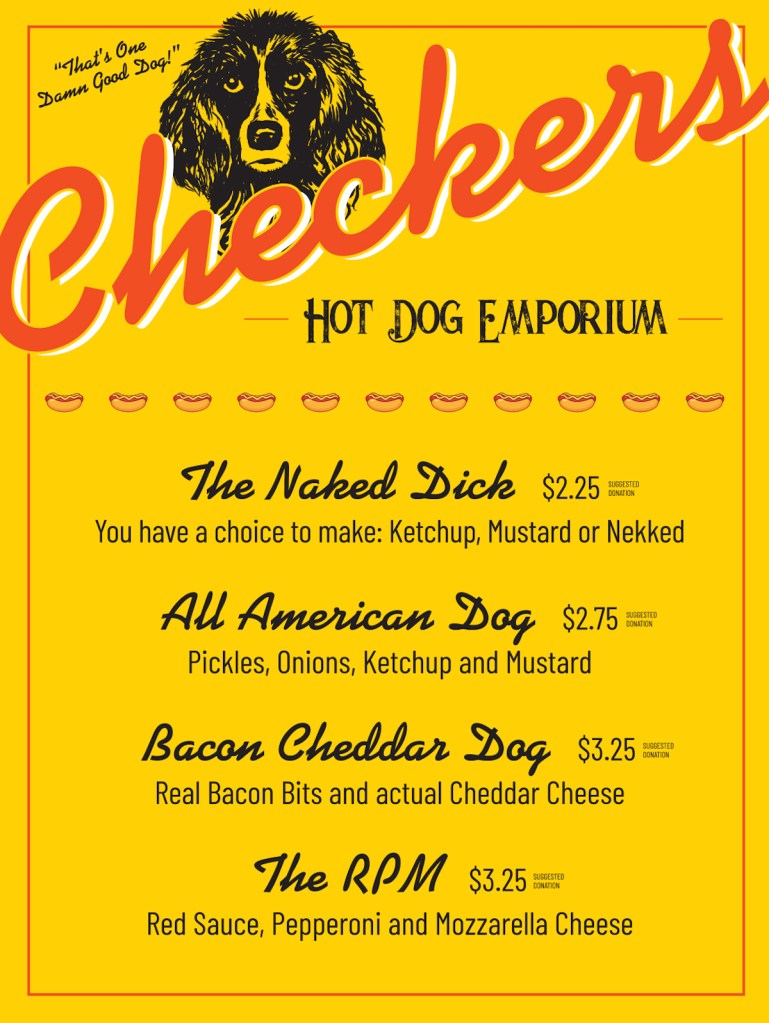
Checkers Hot Dog Emporium will also be on deck. Check out Tricky Dick-themed menu suggestions below. … And yes, there will be veggie dogs for the veggie folks!
If you have enjoyed reading this post, please consider making a donation to RadATL.
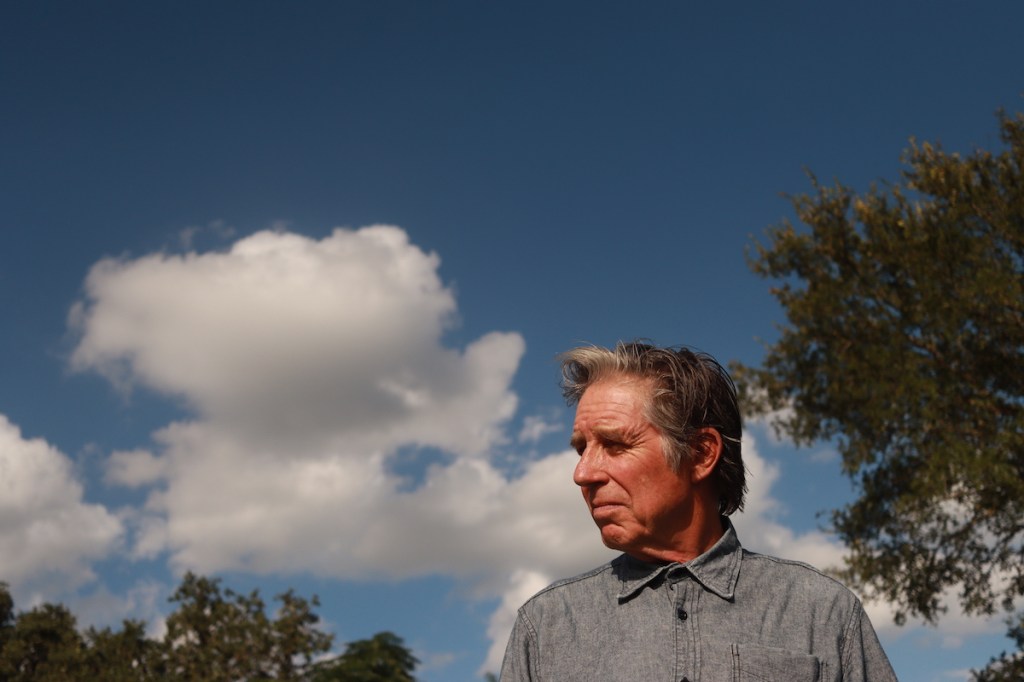
The ambience, the tales, and the characters encountered throughout John Doe’s latest album, Fables in a Foreign Land, occupy a mysterious time and place in the imagination. They could have been plucked from the pages of John Steinbeck’s great dust bowl novel “The Grapes of Wrath.” Or they could describe the American landscape of the here and now — post the COVID-19 pandemic.
When discussing his latest solo album over the phone from his home in Austin, the co-founding singer and bass player for Los Angeles punk icons X clarifies that it’s the imagery of pre-industrialized America that lines up with his vision for this conceptual outing. According to Doe, the title for the record materialized after most of the songs had already been written, each one serving as different chapters from an unwitting hero’s journey across the country amid the late 1890s. The narrator, a 17-year-old kid, has left home because something there went horribly awry.
“There is nothing left of home to return to,” Doe says. “These songs are their adventures: what they do, what they hear, and what they see while making their way toward the West.”
All of the experiences and all of the places chronicled in songs such as “Never Coming Back,” “El Romance-0,” “The Cowboy and the Hot Air Balloon,” and “Travelin’ So Hard” are ventures into the great unknown. The narrator must keep moving forward to find food, shelter, and enough money to get to the next place.
“The reason this might resonate with what’s been going on over the last couple of years is because there’s a lot of isolation, loneliness, and hunger in these songs,” Doe says. “That was somewhat coincidental.”
The seeds for the album were planted in 2018. The song titled “Missouri” was the first to materialize, followed by the first single, “Never Coming Back.” It was then that Doe realized that he had a good song on his hands, one that could open up the rest of the stories that he wanted to tell.
And like all songwriters, there is a veiled autobiographical element hiding just beneath the surface of every note and every lyric.
“Like a lot of people, I am sick of modern devices, learning curves, and things like that,” Doe says. “I use them, I’m glad that technology is here and I can stay in touch with my friends and things like that. But I don’t think what we’ve gained through technology outweighs what we have lost. At one point, I realized that a lot of these songs could take place before there were cars, before electric lights, before all that stuff,” he adds. “I was disciplined enough to stay on that track, which became kind of an adventure in itself.”
Fables in a Foreign Land, out May 20, marks Doe’s first solo release with Fat Possum Records, following the label’s 2020 release of Alphabetland, his band X’s first album with its original lineup in place in 35 years.
For Fables in a Foreign Land, Doe is joined by bass player Kevin Smith, who’s on loan from Willie Nelson’s band, and drummer Conrad Choucroun. Together, they are affectionately dubbed the John Doe Folk Trio, crafting a sound that Doe quickly describes as his version of folk music. That’s not to say that he’s done an academic dive into creating traditional folk music by the numbers, but he does draw out a songwriting style that takes lessons equally from folk music, americana, punk rock, et al. — none of which are mutually exclusive.

Other guest writers contributing throughout the album include Shirley Manson of the band Garbage, Doe’s X bandmate Exene Cervenka, Louie Pérez of Los Lobos, and outlaw country singer-songwriter and painter Terry Allen.
One of the more poignant numbers from Fables in a Foreign Land taking place in the modern era is “Guilty Bystander.” Built around lyrics such as, “We came into town to watch the ponies race, we spoke not a word when a master whipped a slave, there was blood upon his back, he was trembling inside, we turned away from the terror and fright,” the song is a brutal account, written as a response to seeing George Floyd’s murder at the hands of Minneapolis police in 2020.
Doe explains, “I was thinking a lot about slavery, who’s a master and who’s a slave, and does it apply to people? Does it apply to relationships? Does it apply to the way people treat their fucking pets? That’s not to say these things are the same, but it’s about the idea of dominance, and it was sparked by George Floyd.”
“After the Fall” paints a picture of one of the album’s characters hiding in a pool of water, surrounded by reeds and cattails, and looking down to discover their own blood is dripping out into the water, and realizing that they’re in big trouble.
“Throughout the album, there are a lot of references to spirituality, leaving the earthly plane. I’m sure that’s because of my age,” says Doe, who turned 69 years old in February. “You have to confront mortality, think about what it means, and hopefully do it in a positive way.”
“Destroying Angels” is an honest-to-goodness murder ballad, the lyrics for which were mostly penned by Garbage vocalist Shirley Manson. X had done a tour playing shows with Blondie and Garbage. “At some point, Shirley said to Exene and I, ‘We should write a murder ballad.’ I thought, fuck yeah! You’re dark, why not? Then nothing happened.”
A few months later, they crossed paths again. Doe asked whatever happened to that murder ballad they’d talked about? Shirley replied, “I’ve got the lyrics,” and sent them over the next day. Originally, the song was written as more of a traditional folk-style murder ballad. Garbage layered it with chords, and imbued it with a big, heavy, gothic sound. “I wanted to reclaim it for this record, because the story was a good one, and it fit right into this, to this time, this era,” Doe says.
Over the past two-and-a-half years, the John Doe Folk Trio led the way in terms of playing numerous live-streaming shows. But now that the pandemic is receding, it’s time to take the show on the road, which is an essential next step as he prepares for the arrival of Fables in a Foreign Land. But getting back out there is easier said than done.
One of his first shows between COVID spikes was playing in the East Bay area near San Francisco, and the experience was somewhat overwhelming. “I was 30 seconds into the first song, and I had to stop playing, because I was so choked up,” Doe says. “This tsunami of gratitude and love coming towards me, and me feeling that back in the audience… It was somewhat embarrassing. But there’s a reason why people have done this for years and years,” he adds. “There’s a sense of community in music that you just can’t get anywhere else.”
Having time off and working with Smith and Choucroun to create the songs and the sound of Fables in a Foreign Land was a once-in-a-lifetime experience. But the lack of scheduling and of traveling made the prospect of retiring seem all the more appealing.
“I could be very happy taking the money that I’ve got, buying a piece of land with a house on it outside of Austin, where I could fool around with my horses and just chillax. But I need to work,” he adds. “It’s a daunting task, and not having done it for so long, you get rusty. But now people can go out and see live music again, and nothing can replace that.”
This story originally appeared in the May issue of Record Plug Magazine.

If you have enjoyed this post, please consider making a donation to RadATL.

After two years in the void, Emory University’s DIY fest returns on Thursday, April 7. Check out live music from Loony and the debut of El Matador (feat. Katy Graves from Catfight, Randy Gue of Final Offering, and Chris Pollette).
Stations will be set up for silkscreening T-shirts, making buttons, woodblock prints, learning how to write graffiti with Mad Clout, and more + Randy’s famous tower of pizza will be in full effect. Come hungry and pre game for the Spits show at the Earl later that night.
Free. 6:30-8:30 p.m. Emory’s Visual Arts Building and Campus Life Pavillion. 700 Peavine Creek Drive. Parking is available in the Peavine Parking Deck at 22 Eagle Row.
If you have enjoyed reading this post, please consider making a donation to RadATL.

Kim Gordon‘s (Sonic Youth, Body/Head) “No Home Tour” feat. Mary Lattimore comes to Variety Playhouse on Thurs., March 24. $30-$59. 7 p.m. (doors). 8 p.m. (show).
Tickets go on sale for the general public on Fri., Jan. 28. Pre-sale begins Thurs., Jan. 27 at 10 a.m. Use code: KIMG22
If you have enjoyed reading this post, please consider making a donation to RadATL.
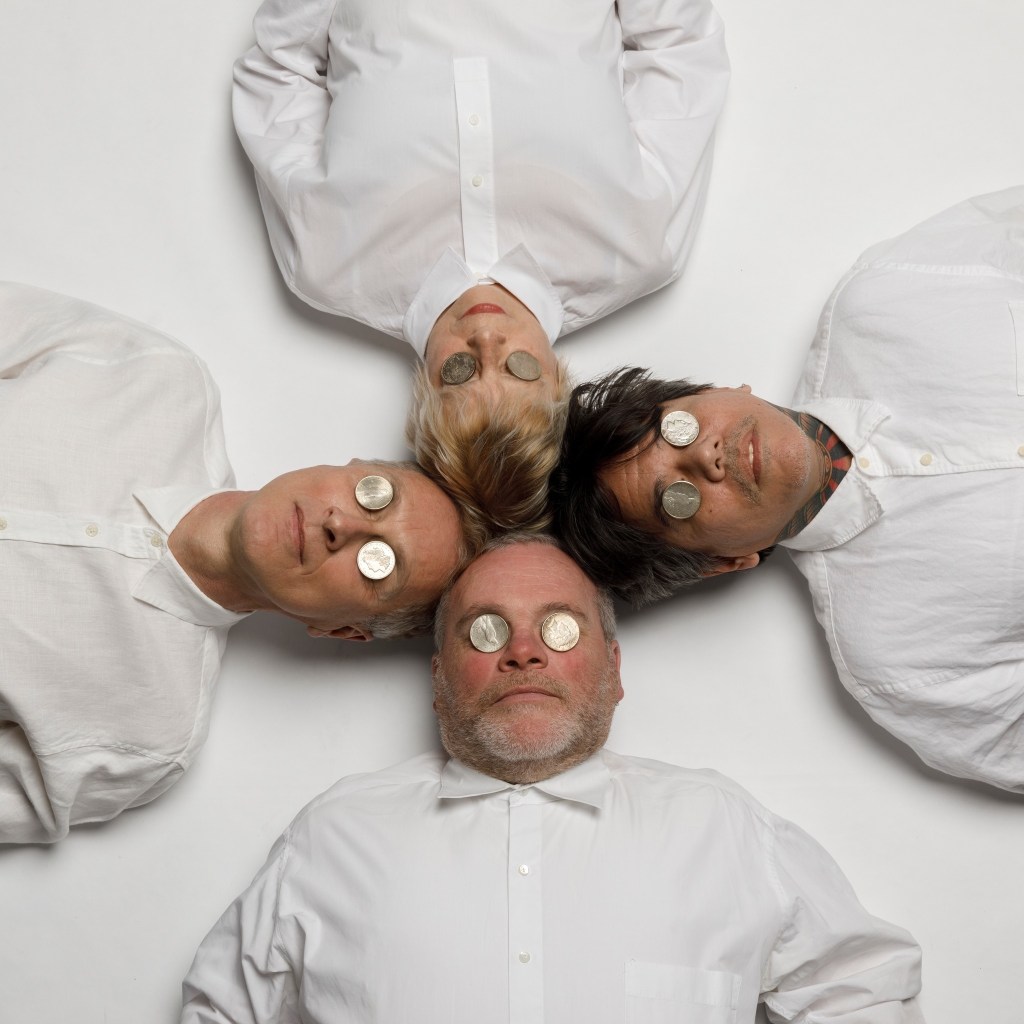
Gang of Four drummer Hugo Burnham recalls reading a quote from his former bandmate, guitarist Andy Gill some years ago. Burnham had parted ways with the group in 1982, only to return for a brief stint between 2004 and 2006.
Fast forward to 2012 — Gill and Gang of Four vocalist Jon King announced that they would no longer work together, leaving Gill as the only remaining original member still performing with the iconic Leeds, U.K. post-punk outfit.
During an interview around that time, a writer asked Gill about moving forward with a new lineup. His reply, as Burnham recalls, was that Gang of Four is more than a band, it’s an attitude and it’s about ideas. “I don’t even need to be in the band for it to be Gang of Four,” Gill told the writer.
“I had never really thought about what that meant,” Burnham says.
Gill died suddenly in February of 2020. Since then, the gravity of his words has taken on new depth for Burnham, as he reconnects with the band’s legacy, and its incendiary attitude and ideas.
A recently released box set, titled 77-81 (Matador) makes clear its assertion that despite nearly 40 years spent releasing dozens of albums, Gang of Four turned out its most commanding works between 1977 and 1981. Those first five years encompass the group’s first three albums: Entertainment!, Solid Gold, and Songs of the Free. Throughout each of these albums, Burnham, King, Gill, and bass player Dave Allen — the latter of whom was replaced by Sara Lee for Songs of the Free — crafted terse anthems that sharpen their teeth and claws on everything from Marxist philosophy and the dangers of materialism to the trappings of love and maximum entropy.
Songs bearing titles such as “To Hell With Poverty,” “Not Great Men,” “Damaged Goods,” and “I Love A Man In A Uniform” are propelled by muscular rhythms, avant-garde grooves, and the jagged energy and freedom that their British punk rock forefathers in the Clash and the Sex Pistols had exposed.
Alongside British counterparts such as the band Wire, and American band Mission of Burma, Gang of Four’s first three albums have come to define the post-punk canon.
Following Gill’s death, Burnham and King have reconvened under Gang of Four’s banner to bring the group back to the stage. But who could fill Gill’s shoes playing guitar and bring the songs back to life?
They had their eye on a handful of potential candidates. Marissa Paternoster of New Brunswick, NJ trio Screaming Females was in the running, but the pandemic complicated the group’s early efforts. Then, in the midst of their search for Gang of Four’s next guitar player, Burnham’s friend Patrick Ferguson, a drummer with Athens, GA’s indie rock band 5/8, got in touch.
Ferguson hosts the Crash and Ride podcast, which had recently featured David Pajo as a guest. “Patrick said, ‘My god, I’ve just interviewed David Pajo!’ I hope that David forgives me for this, but I said, ‘Who’s that?’” Burnham laughs. “‘Cause you know, he’s a youngster!”
Pajo’s resume boasts of playing and writing with dozens of seminal early ‘90s indie rock luminaries such as Slint, Papa M, The For Carnation, Tortoise, Stereolab, and dozens of other acts.
“So I started digging and listening, and thought, oh god, this guy is good,” Burnham says.
As a founding member of Slint, Pajo is aligned with the early beginnings of math rock in the ‘90s. Semantics aside, his musical DNA blends quite well with Gang of Four’s rigid, angular songwriting style.
Ferguson introduced them to each other via email. After exchanging a few messages, Pajo recorded videos of himself playing guitar along to three of the group’s signature numbers, “Natural’s Not In It,” “To Hell With Poverty,” and “What We All Want.”
“It was chronically, cripplingly obvious that this was the only choice to make,” Burnham says. “We really didn’t want to have just another boring or predictable old white guy in the band,” he adds. “David is neither boring, nor predictable.”
Pajo instinctively adapted to Gill’s percussive style, and how the guitar parts intertwined with the group’s fast-paced rhythmic presence. “He was digging deep into the recordings, alternate versions, and different live things, trying to get [Andy]’s take on everything,” Burnham says. “I said, great! Learn the songs as [Andy] would play them, but make them your own. We are not a Gang of Four tribute band,” he stresses. “This is Gang of Four, here and now. David is in the band, and it’s as simple as that.”
Burnham, King, and Pajo were in place, but bass player Dave Allen opted out of rejoining the group for a round of North American tour dates.
Former bass player Sara Lee was the obvious choice to complete the lineup. After leaving Gang of Four circa ‘84, Lee had gone on to perform as a member of Robert Fripp’s band the League of Gentlemen, and has played with everyone from Robyn Hitchcock to the Thompson Twins, as well as with Georgia acts, the B-52’s and the Indigo Girls. Her 2000 solo debut, Make It Beautiful, was also released by Ani DiFrancos’ Righteous Babe label.
“When I called Sara, I didn’t quite know how to get to the point. Finally she says, ‘I’ve been sitting here on the phone, waiting for you to ask me if I’ll play!” Burnham laughs.
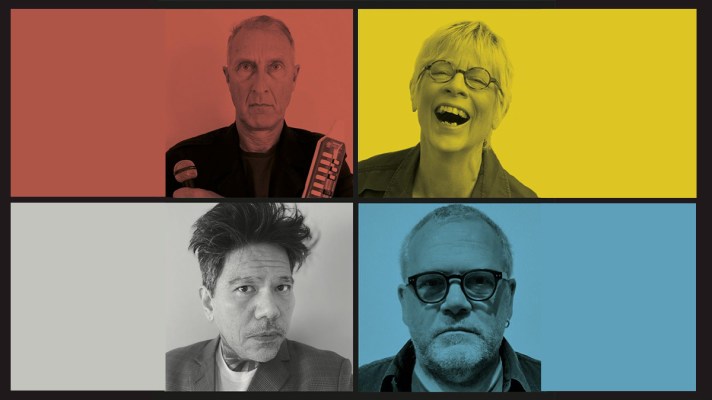
With Lee in place, Gang of Four took on a new configuration, and started breathing new life into the music. On their current tour, the group is sticking mostly to the classic material from those first three albums, but they’ll pull out a few numbers from later albums as well, including “I Parade Myself” from ‘95’s Shrinkwrapped LP. “We’re not being assholic about any of this,” Burnham says, “We’re playing that song because it’s such a great song. But there is such a breadth of stuff that we can dive into from those first three albums, which is more like ‘77-’83.”
The million dollar question: Will Gang of Four record new material with its new lineup? Burnham pauses with a sheepish, tight-lipped smile before joking that for a million dollars he’d record with any lineup. “I hate to hyperbolise, but this has been a lot of fun,” he says. “There is no stress, no anger, no overwhelming control issues. David is a versatile and disciplined player who has done seriously great work leading up to joining us,” he adds. “It would be silly not to make the most of this lineup, even if it’s just for ourselves. We’re not kidding ourselves into thinking that the world is waiting for new stuff — but we’re waiting for it.”
This story appears in the March print issue of Record Plug Magazine.
If you have enjoyed reading this story, please consider making a donation to RadATL.

New York City hardcore legends Murphy’s Law share the stage with Antagonizers ATL (above) and APA. The Earl on Sat., Feb. 12. $20 (advance). $22 (day of). 8 p.m. (doors).
If you have enjoyed reading this post, please consider making a donation to RadATL.

Record Plug Magazine presents GG King, Loony, Hip To Death, and Twin Trances at Sabbath Brewing. $7. 7:30 p.m. (doors).
If you have enjoyed reading this post, please consider making a donation to RadATL.
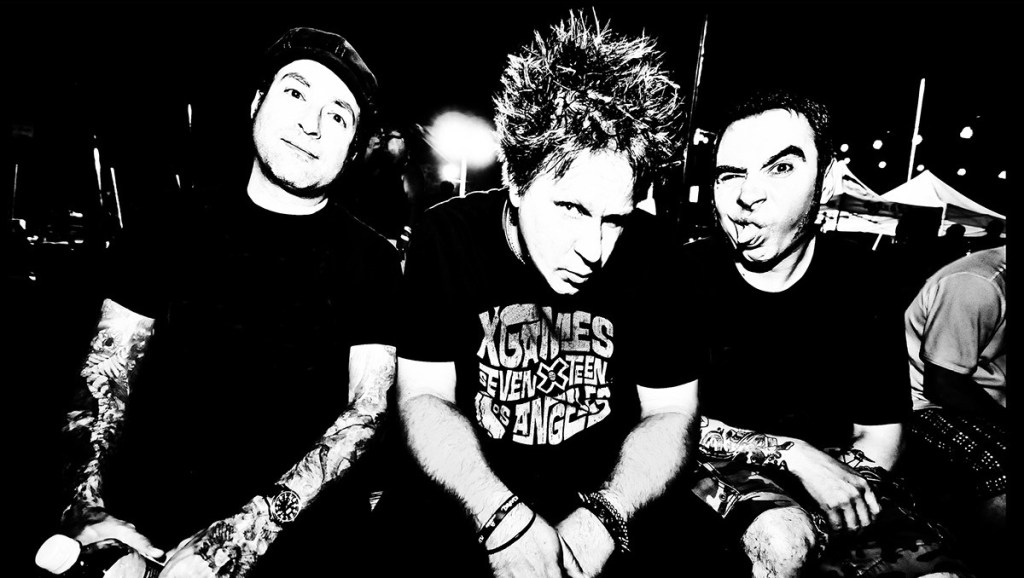
Agent Orange returns! Back in the ’80s, the Southern California trio led by singer and guitar player Mike Palm cranked out some of the most whiplash, compelling, and emotionally distraught surf and skate punk tunes ever committed to tape. Seeing the group live is kind of a rite of passage. Skin Jobs and Loony also perform. $18 (adv). $21 (doors). Sat., Feb. 26. The Earl.
If you have enjoyed reading this post, please consider making a donation to RadATL.

In 2020, Field Day’s Opposite Land EP raised the bar high for Doug Carrion and Peter Cortner’s modern take on a classic hardcore charge. Together, they pulled off the unlikely feat of reinventing the disaffected ethos of their brief but defining tenure with D.C. hardcore outfit Dag Nasty for 1987’s Wig Out At Denko’s and 1988’s Field Day LP.
With their latest offering, the four-song “Why?” 7-inch (Unity Worldwide/Sense of Place Records), the group wields an even sharper edge.
Field Day’s emergence was a postmodern reference to a reference — a triumph that dug deep into the past to find wholly new levels of fertile creative soil in which to grow. The short, sharp blasts they delivered with Opposite Land’s cuts “One Song,” “Stolen Words,” “Speak The Truth,” and “Waiting For A Miracle” laid the blueprint for a new, no-nonsense aesthetic, and proved there was more music and chemistry left to explore within vocalist Cortner and singer and bass player Carrion’s dynamic.
“Why?’s” opening salvo expands upon the speed and velocity of Field Day’s previous efforts, while coalescing around a searing guitar lead and the lyrics: “You’re living in a world built on fiction. What’s the reason? I wonder why you never realized. It’s up to you, but you keep living a lie. Did you ever stop to ask the question: How did you get so disconnected?”
This open-ended indictment underscores the crucial power of PMA to find balance amid an era in which technology has gone awry and social unrest percolates under the shadow of an oppressive virus. It could mean anything, or it could mean something very specific — it’s about what the listener brings to the music.
The increased focus on display between Cortner, Carrion, guitarist Shay Mehrdad, and drummer Kevin Avery simply and powerfully ignites the group’s melodic tension, and amplifies Field Day’s search for answers while placing the human experience under the microscope.
A hidden A-side track and the B-side cuts “Alive” and “Audience Of One” tighten the melodic songwriting made sharp by Mehrdad’s high-octane guitar shredding.
Across the board, the group has stepped up the intensity of every element in the music. And with production by Carrion and mixing courtesy of Cameron Webb (Pennywise, Motörhead, Ignite), these four songs are louder and strike with a greater sense of urgency.

“Field Day revels in a real-time musical confrontation of emotions — a trait that’s extended since Cortner and Carrion’s days with Dag Nasty, and Carrion’s formative years spent playing with the Descendents. Their veracity hits hard with “Audience Of One.” The song kicks off with a thunderous drum roll, signaling a heart-pounding finale. The fiery guitar tones, sprinting rhythm, and the lyrical query: “You always tell yourself what you want to believe, but when will you accept that you’re an audience of one?” brings the record’s prompt to a fine point: Look deep within yourself to find the power to rise above apathy.
Field Day has already proven their skills by releasing a handful of powerful and direct offerings. The four songs on the “Why?” 7-inch carry the pace to a higher level. Each number is bristling with rejuvenated and undeniably electric energy. It’s one thing to create something new from a decades-old chapter in Dag Nasty’s discography. It’s an entirely different thing to find new relevance, and outshine the past by creating vital new music. With “Why?,” Field Day revives classic punk and hardcore’s base emotions, while asking the hard questions, and always keeping their gaze fixed on what lies ahead.
If you have enjoyed reading this review, please consider making a donation to RadATL.

